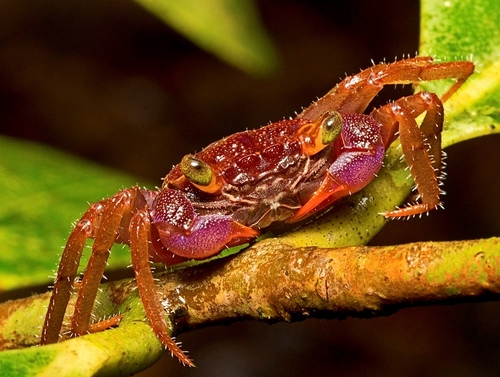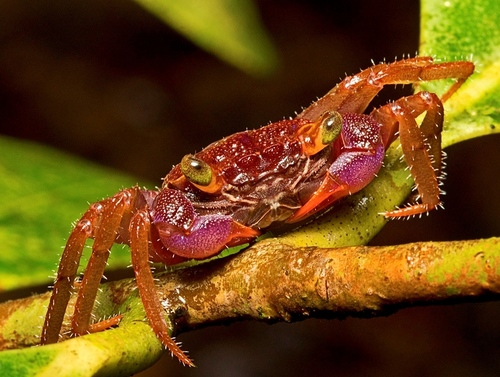
White Claw Crab
Geosesarma sp.
Out of Stock
Scarce stock
Wild Caught
Moderate care
Not Reef Safe
SKU: 01-F-01-039-20
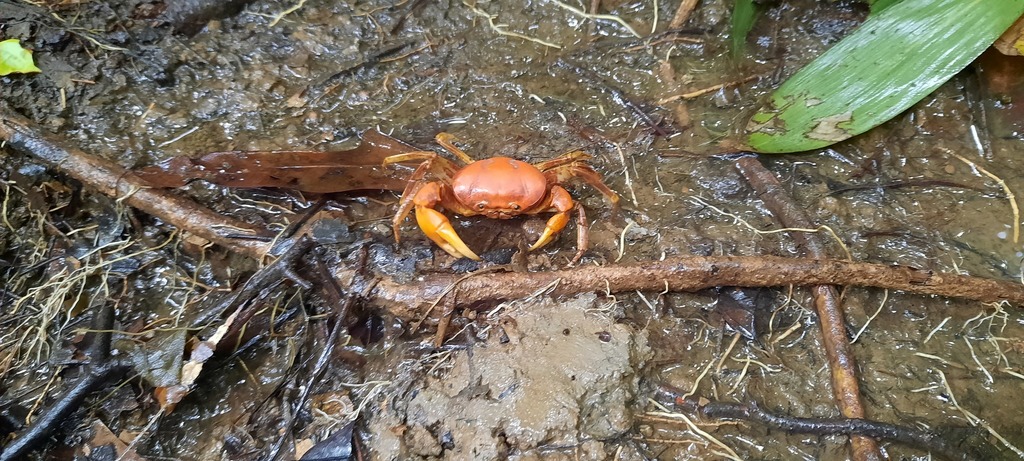
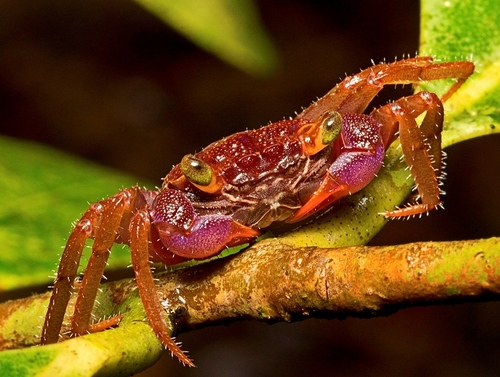
Discover the vibrant White Claw Crab, a unique freshwater invertebrate from Bali, Indonesia.
Pricing for Verified Importers
Log in to see wholesale prices and order.
Export Size
up to 6.0 cm
Origin
Southeast Asia
Temperature
24.0–28.0°C
Min. Tank Size
60 L
pH
6.50–7.50
Diet
omnivore
The White Claw Crab (Geosesarma sp.) is a captivating species known for its striking appearance and engaging behavior. Native to the freshwater ecosystems of Southeast Asia, particularly in Bali, this crab features a stunning combination of bright colors and intricate patterns on its claws, making it a popular choice among aquarists and collectors. Its small size and eye-catching aesthetics contribute to its rising popularity in the aquarium trade.
In terms of natural history, White Claw Crabs inhabit freshwater rivers, streams, and swamps, where they thrive in densely vegetated areas. They are semi-terrestrial, often seen foraging along the banks and on foliage, showcasing their adaptability to both aquatic and terrestrial environments. Their diet primarily consists of detritus, algae, and small invertebrates, making them important contributors to their ecosystem’s nutrient cycle.
Behaviorally, these crabs are known for their territorial nature and social interactions, often establishing hierarchies within their groups. Displaying various forms of communication, they use their claws for signaling to one another, particularly during mating rituals. Their active and sometimes playful behavior adds an engaging dynamic to any aquarium setup.
In the wild, the White Claw Crab plays a crucial role in maintaining the ecological balance of its habitat. As a species that thrives in a delicate ecosystem, they are sensitive to environmental changes, making their conservation important. Their unique adaptations to freshwater life and their vibrant colors make them a fascinating addition to any aquatic collection.
In terms of natural history, White Claw Crabs inhabit freshwater rivers, streams, and swamps, where they thrive in densely vegetated areas. They are semi-terrestrial, often seen foraging along the banks and on foliage, showcasing their adaptability to both aquatic and terrestrial environments. Their diet primarily consists of detritus, algae, and small invertebrates, making them important contributors to their ecosystem’s nutrient cycle.
Behaviorally, these crabs are known for their territorial nature and social interactions, often establishing hierarchies within their groups. Displaying various forms of communication, they use their claws for signaling to one another, particularly during mating rituals. Their active and sometimes playful behavior adds an engaging dynamic to any aquarium setup.
In the wild, the White Claw Crab plays a crucial role in maintaining the ecological balance of its habitat. As a species that thrives in a delicate ecosystem, they are sensitive to environmental changes, making their conservation important. Their unique adaptations to freshwater life and their vibrant colors make them a fascinating addition to any aquatic collection.
When caring for White Claw Crabs, it is essential to maintain optimal water parameters to ensure their health and well-being. The ideal temperature range is between 24-28°C, with a pH level of 6.5 to 7.5. These crabs prefer a well-planted aquarium with ample hiding spots and a sandy substrate that mimics their natural habitat. A minimum tank size of 60 liters is recommended to provide sufficient space for movement and exploration.
Feeding White Claw Crabs involves providing a balanced diet of algae wafers, blanched vegetables, and occasional protein sources like shrimp pellets. They are generally omnivorous and will benefit from a varied diet. Compatibility with other species is possible but care should be taken to avoid aggressive tankmates that may threaten their well-being.
Acclimation is crucial for new arrivals; a slow drip method is recommended to ease them into their new environment. Quarantine is also advisable for at least two weeks before introducing them to a main tank to prevent the spread of potential pathogens. Regular water changes and monitoring of water quality will ensure a thriving environment for these unique crabs.
Feeding White Claw Crabs involves providing a balanced diet of algae wafers, blanched vegetables, and occasional protein sources like shrimp pellets. They are generally omnivorous and will benefit from a varied diet. Compatibility with other species is possible but care should be taken to avoid aggressive tankmates that may threaten their well-being.
Acclimation is crucial for new arrivals; a slow drip method is recommended to ease them into their new environment. Quarantine is also advisable for at least two weeks before introducing them to a main tank to prevent the spread of potential pathogens. Regular water changes and monitoring of water quality will ensure a thriving environment for these unique crabs.
White Claw Crabs are suitable for shipping, provided they are packed securely to minimize stress during transit. It is recommended to maintain a packing density of no more than 2-3 crabs per liter to ensure ample space and aeration. They are sensitive to temperature fluctuations, so maintaining a stable temperature between 24-28°C during shipping is critical. Currently, there are no CITES restrictions on this species, making them an accessible choice for importers.
Species Parameters
Max Adult Size
6.0 cm
Origin
Southeast Asia
Diet
omnivore
Temp Min
24.0 °C
Temp Max
28.0 °C
pH Min
6.50
pH Max
7.50
Min Tank
60 L