Black Crab
Geosesarma sp.
Out of Stock
Scarce stock
Wild Caught
Moderate care
Not Reef Safe
SKU: 01-F-01-017-20
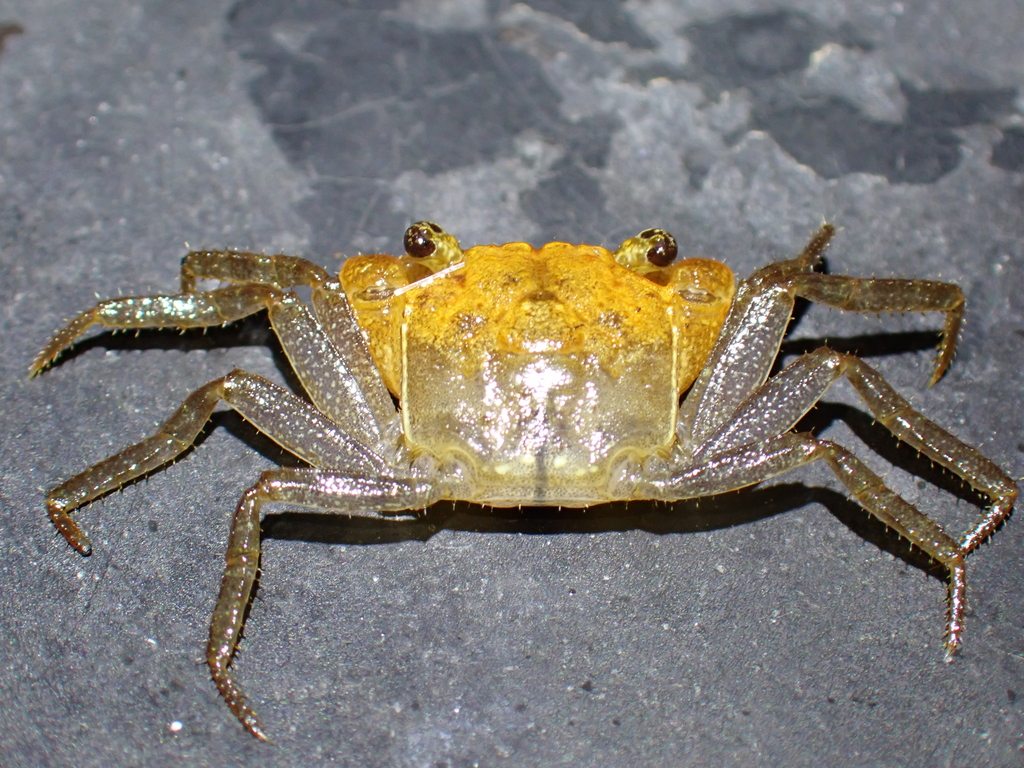
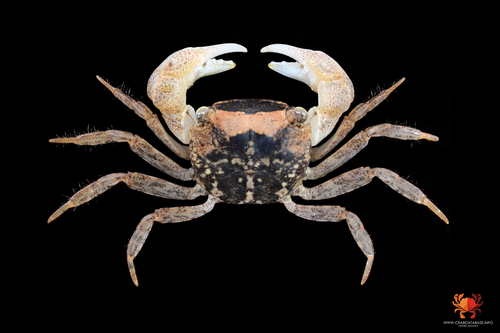
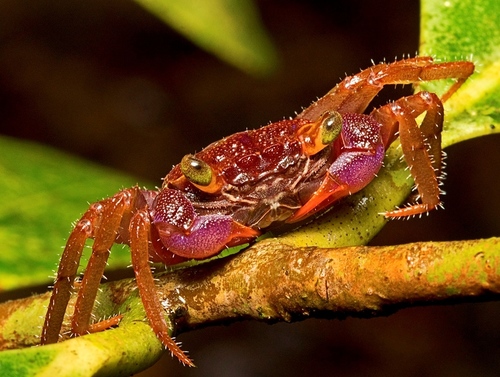
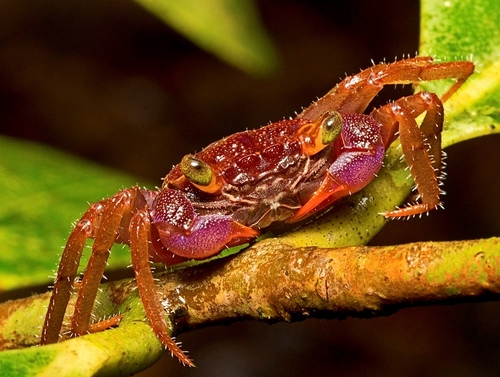
The Black Crab (Geosesarma sp.) showcases vibrant colors and unique adaptations for freshwater habitats.
Pricing for Verified Importers
Log in to see wholesale prices and order.
Export Size
up to 6.0 cm
Origin
Southeast Asia
Temperature
24.0–28.0°C
Min. Tank Size
60 L
pH
6.50–8.00
Diet
omnivore
The Black Crab, belonging to the genus Geosesarma, is a captivating freshwater invertebrate native to Southeast Asia, particularly around the lush wetlands of Bali, Indonesia. This species is known for its striking appearance, featuring a glossy black carapace contrasted by vivid orange or red claws, making it a visually appealing addition to any freshwater aquarium. These crabs typically reach a maximum size of around 6 cm, and their distinctive coloration serves not only as a warning to predators but also as a means of communication among their kind.
In their natural habitat, Black Crabs inhabit freshwater streams, mangroves, and swamps, often seeking refuge among rocks and vegetation. They thrive in environments rich in organic matter and are commonly found in areas with ample cover that provide security from predators. Their semi-terrestrial lifestyle allows them to venture onto land, especially during the rainy season when they search for food or mates. Black Crabs are social creatures, often seen in small groups, engaging in various behaviors that include climbing, foraging, and displaying territoriality.
Behaviorally, Black Crabs are primarily nocturnal, becoming active during the evening hours when they forage for food. Their diet consists mainly of detritus, algae, and small invertebrates, showcasing their omnivorous feeding habits. Being territorial, males will often establish and defend small areas, especially during the breeding season, which adds an interesting dynamic to their social interactions. Understanding these behaviors is crucial for aquarium keepers who wish to maintain a harmonious environment for these crabs.
Overall, the Black Crab is not only an attractive species but also an essential part of its ecosystem, contributing to the health of freshwater habitats. Their unique adaptations and behaviors make them a fascinating subject for study and a delightful addition to any aquatic setup, appealing to both hobbyists and wholesalers alike.
In their natural habitat, Black Crabs inhabit freshwater streams, mangroves, and swamps, often seeking refuge among rocks and vegetation. They thrive in environments rich in organic matter and are commonly found in areas with ample cover that provide security from predators. Their semi-terrestrial lifestyle allows them to venture onto land, especially during the rainy season when they search for food or mates. Black Crabs are social creatures, often seen in small groups, engaging in various behaviors that include climbing, foraging, and displaying territoriality.
Behaviorally, Black Crabs are primarily nocturnal, becoming active during the evening hours when they forage for food. Their diet consists mainly of detritus, algae, and small invertebrates, showcasing their omnivorous feeding habits. Being territorial, males will often establish and defend small areas, especially during the breeding season, which adds an interesting dynamic to their social interactions. Understanding these behaviors is crucial for aquarium keepers who wish to maintain a harmonious environment for these crabs.
Overall, the Black Crab is not only an attractive species but also an essential part of its ecosystem, contributing to the health of freshwater habitats. Their unique adaptations and behaviors make them a fascinating subject for study and a delightful addition to any aquatic setup, appealing to both hobbyists and wholesalers alike.
When caring for Black Crabs, it is essential to maintain specific water parameters to ensure their health and well-being. The ideal temperature range for these crabs is between 24°C and 28°C, with a pH level of 6.5 to 8.0. Since they are freshwater species, salinity levels should be zero. A minimum tank size of 60 liters is recommended to provide ample space for movement and territorial behavior.
Feeding Black Crabs is straightforward, as they are omnivores. A varied diet including high-quality pellets, blanched vegetables, and occasional protein sources such as bloodworms will keep them healthy. It is important to avoid overfeeding, as this can lead to water quality issues. Compatibility wise, they can coexist with other peaceful freshwater species, but caution should be taken with smaller fish or aggressive tankmates.
Acclimating new Black Crabs requires a gradual process to minimize stress. Float the sealed bag in the aquarium for about 15-30 minutes before introducing them into the tank. A quarantine period of at least two weeks is recommended to monitor for any signs of disease or stress, ensuring the overall health of your aquatic environment. Regular water changes and monitoring of water quality will further support their longevity and vibrancy in captivity.
Feeding Black Crabs is straightforward, as they are omnivores. A varied diet including high-quality pellets, blanched vegetables, and occasional protein sources such as bloodworms will keep them healthy. It is important to avoid overfeeding, as this can lead to water quality issues. Compatibility wise, they can coexist with other peaceful freshwater species, but caution should be taken with smaller fish or aggressive tankmates.
Acclimating new Black Crabs requires a gradual process to minimize stress. Float the sealed bag in the aquarium for about 15-30 minutes before introducing them into the tank. A quarantine period of at least two weeks is recommended to monitor for any signs of disease or stress, ensuring the overall health of your aquatic environment. Regular water changes and monitoring of water quality will further support their longevity and vibrancy in captivity.
Black Crabs are suitable for shipping, provided they are packed with care to ensure their safety during transit. Packing density should allow for adequate space to prevent stress and injury. Temperature sensitivity is a key factor; maintaining a stable temperature between 24°C and 28°C during shipping is crucial. As of the latest information, there are no CITES restrictions on this species, allowing for straightforward export procedures.
Species Parameters
Max Adult Size
6.0 cm
Origin
Southeast Asia
Diet
omnivore
Temp Min
24.0 °C
Temp Max
28.0 °C
pH Min
6.50
pH Max
8.00
Min Tank
60 L