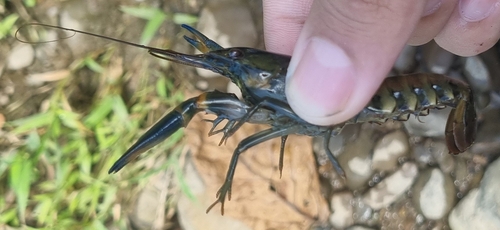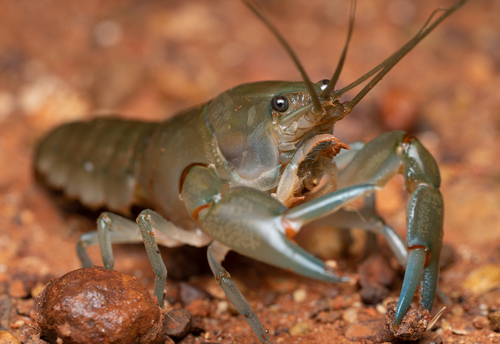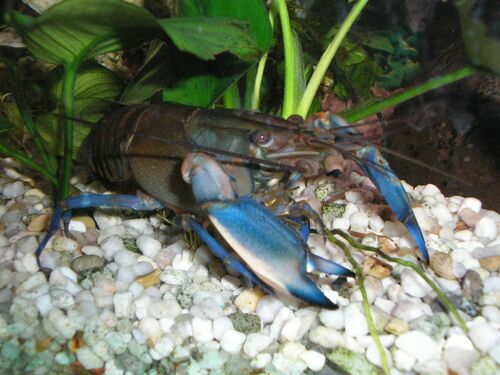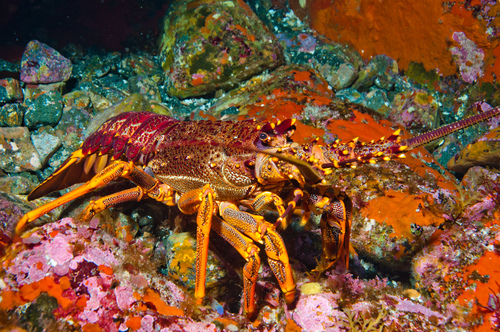
Papua Maroon Pulcher Crayfish
Cherax pulcher
In Stock
Common stock
Wild Caught
Moderate care
Not Reef Safe
SKU: 01-C-01-066-06
Discover the vibrant Papua Maroon Pulcher Crayfish, a stunning addition to any freshwater aquarium.
Pricing for Verified Importers
Log in to see wholesale prices and order.
Export Size
up to 15.0 cm
Origin
Southeast Asia
Temperature
22.0–28.0°C
Min. Tank Size
100 L
pH
6.50–7.50
Diet
omnivore
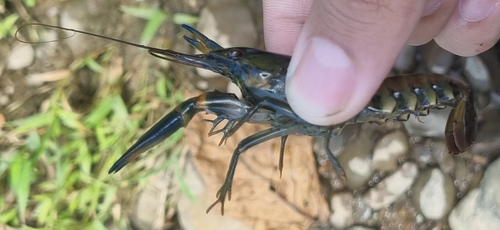
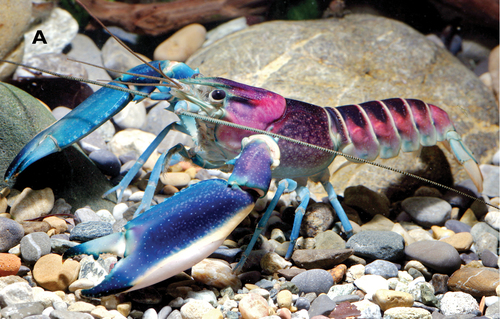
The Papua Maroon Pulcher Crayfish (Cherax pulcher) is a captivating freshwater invertebrate native to the lush waters of Papua New Guinea. This species is known for its striking maroon coloration, which can vary from deep burgundy to bright red, making it a visually appealing choice for aquarists. With its robust pincers and intricate body patterns, the Papua Maroon Pulcher is not only a feast for the eyes but also a fascinating species to observe in an aquarium setting.
In terms of natural history, Cherax pulcher inhabits freshwater streams and rivers, where it thrives among submerged structures and vegetation. These crayfish are primarily nocturnal, exhibiting a range of interesting behaviors such as burrowing and foraging during the night. Their diet in the wild consists of detritus, algae, and small invertebrates, showcasing their adaptability to various food sources. Understanding their natural habitat is essential for replicating suitable conditions in captivity.
Behaviorally, Papua Maroon Pulcher Crayfish are semi-aggressive and can exhibit territorial tendencies, especially males during breeding seasons. They are known to establish burrows in substrate, which they use for shelter and protection. Social interactions can be fascinating to observe, as they communicate through body language and chemical signals. Providing ample hiding spots and spaces for retreat is crucial for maintaining harmony in community tanks.
To ensure the health and vitality of this species in aquaria, it's important to mimic their natural environment by incorporating rocks, driftwood, and plants into their setup. This not only enhances their aesthetic appeal but also supports their natural behaviors and well-being.
In terms of natural history, Cherax pulcher inhabits freshwater streams and rivers, where it thrives among submerged structures and vegetation. These crayfish are primarily nocturnal, exhibiting a range of interesting behaviors such as burrowing and foraging during the night. Their diet in the wild consists of detritus, algae, and small invertebrates, showcasing their adaptability to various food sources. Understanding their natural habitat is essential for replicating suitable conditions in captivity.
Behaviorally, Papua Maroon Pulcher Crayfish are semi-aggressive and can exhibit territorial tendencies, especially males during breeding seasons. They are known to establish burrows in substrate, which they use for shelter and protection. Social interactions can be fascinating to observe, as they communicate through body language and chemical signals. Providing ample hiding spots and spaces for retreat is crucial for maintaining harmony in community tanks.
To ensure the health and vitality of this species in aquaria, it's important to mimic their natural environment by incorporating rocks, driftwood, and plants into their setup. This not only enhances their aesthetic appeal but also supports their natural behaviors and well-being.
When caring for Papua Maroon Pulcher Crayfish, maintaining optimal water parameters is crucial. The recommended temperature range is between 22°C to 28°C, with a pH level between 6.5 and 7.5. A minimum tank size of 100 liters is advisable to provide ample swimming and hiding space. Utilize a filtration system to keep water clean and well-oxygenated, as these crayfish are sensitive to poor water quality.
Feeding should consist of a balanced diet that includes high-quality pellets, blanched vegetables, and occasional protein sources like frozen or live foods. It's important to feed them in moderation to prevent overfeeding, which can lead to water quality issues. Compatibility is essential; while they can coexist with some fish species, caution should be taken to avoid keeping them with smaller or more docile tank mates, as the crayfish may exhibit predatory behavior.
Acclimation should be done slowly to minimize stress; floating the bag in the tank for at least 30 minutes before release is recommended. Quarantine new arrivals for at least two weeks to prevent the introduction of parasites or diseases into your main aquarium. Regular monitoring for signs of stress or illness will help ensure the health of your Papua Maroon Pulcher Crayfish.
Feeding should consist of a balanced diet that includes high-quality pellets, blanched vegetables, and occasional protein sources like frozen or live foods. It's important to feed them in moderation to prevent overfeeding, which can lead to water quality issues. Compatibility is essential; while they can coexist with some fish species, caution should be taken to avoid keeping them with smaller or more docile tank mates, as the crayfish may exhibit predatory behavior.
Acclimation should be done slowly to minimize stress; floating the bag in the tank for at least 30 minutes before release is recommended. Quarantine new arrivals for at least two weeks to prevent the introduction of parasites or diseases into your main aquarium. Regular monitoring for signs of stress or illness will help ensure the health of your Papua Maroon Pulcher Crayfish.
Papua Maroon Pulcher Crayfish are suitable for shipping due to their hardiness, but careful packing is necessary to minimize stress. A packing density of 1 crayfish per liter of water is recommended to ensure adequate space and oxygen. The ideal shipping temperature should be maintained between 20°C and 25°C to prevent thermal shock. Currently, this species is not listed under CITES, simplifying export regulations.
Species Parameters
Max Adult Size
15.0 cm
Origin
Southeast Asia
Diet
omnivore
Temp Min
22.0 °C
Temp Max
28.0 °C
pH Min
6.50
pH Max
7.50
Min Tank
100 L