Red Lobster
Cherax sp.
Out of Stock
Scarce stock
Wild Caught
Moderate care
Not Reef Safe
SKU: 01-C-01-006-04
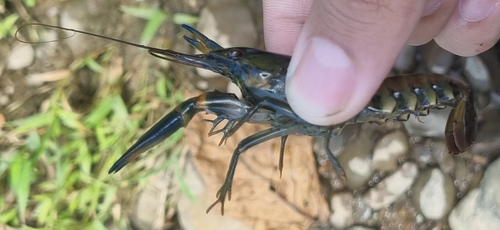
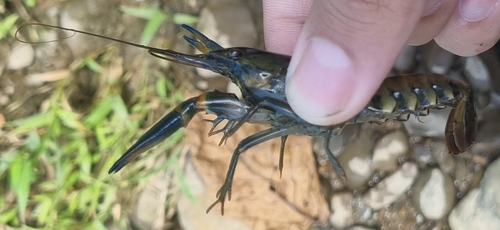
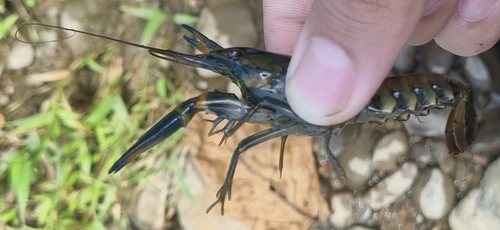
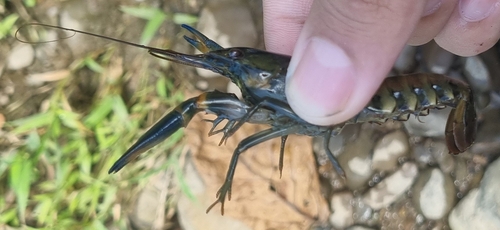
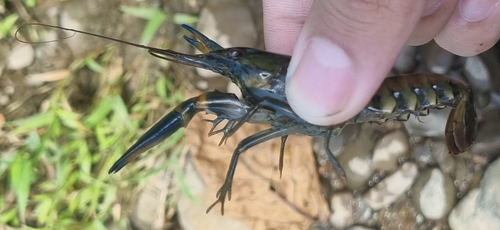
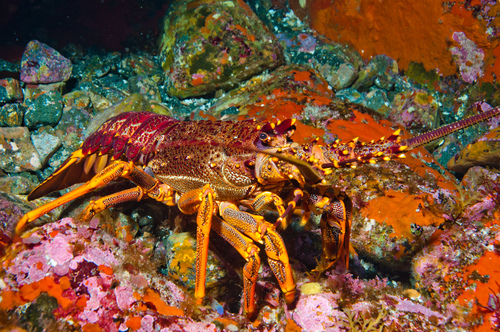
The Red Lobster (Cherax sp.) is a vibrant freshwater crustacean, prized for its striking color and adaptability.
Pricing for Verified Importers
Log in to see wholesale prices and order.
Export Size
up to 15.0 cm
Origin
Southeast Asia
Temperature
22.0–28.0°C
Min. Tank Size
100 L
pH
6.50–8.00
Diet
omnivore
The Red Lobster, belonging to the Cherax genus, is a spectacular freshwater invertebrate found predominantly in the rivers and lakes of Southeast Asia, particularly in Indonesia. Known for its vivid red coloration, this species exhibits a remarkable ability to adapt to various freshwater environments, making it a popular choice among aquarium enthusiasts and importers alike. With its large claws and robust body, the Red Lobster not only adds aesthetic appeal but also plays a vital role in the aquatic ecosystem, contributing to the natural nutrient cycle.
In terms of appearance, Red Lobsters can reach sizes of up to 15 cm in length, showcasing a distinct red hue that can vary in intensity based on their habitat and diet. Their exoskeleton is hard and durable, providing excellent protection against predators. In the wild, they inhabit a range of freshwater ecosystems, including streams, rivers, and lakes, often seeking refuge among rocks, plants, and other submerged structures that offer hiding spots from potential threats.
Behaviorally, Red Lobsters are generally nocturnal, becoming more active during the evening and night. They are known for their territorial nature, particularly males, which can display aggressive behaviors when competing for resources or mates. Their diet primarily consists of detritus, plant matter, and small invertebrates, making them essential scavengers within their ecosystem. This opportunistic feeding behavior ensures that they thrive in various environments, further contributing to their popularity in the aquarium trade.
Overall, the Red Lobster's unique characteristics, including its vibrant color, adaptability, and ecological significance, make it a standout choice for aquarium importers and wholesalers looking to enhance their offerings with this fascinating freshwater species.
In terms of appearance, Red Lobsters can reach sizes of up to 15 cm in length, showcasing a distinct red hue that can vary in intensity based on their habitat and diet. Their exoskeleton is hard and durable, providing excellent protection against predators. In the wild, they inhabit a range of freshwater ecosystems, including streams, rivers, and lakes, often seeking refuge among rocks, plants, and other submerged structures that offer hiding spots from potential threats.
Behaviorally, Red Lobsters are generally nocturnal, becoming more active during the evening and night. They are known for their territorial nature, particularly males, which can display aggressive behaviors when competing for resources or mates. Their diet primarily consists of detritus, plant matter, and small invertebrates, making them essential scavengers within their ecosystem. This opportunistic feeding behavior ensures that they thrive in various environments, further contributing to their popularity in the aquarium trade.
Overall, the Red Lobster's unique characteristics, including its vibrant color, adaptability, and ecological significance, make it a standout choice for aquarium importers and wholesalers looking to enhance their offerings with this fascinating freshwater species.
When caring for Red Lobsters, maintaining proper water parameters is crucial for their health and longevity. Ideal water temperatures range from 22°C to 28°C, with a pH level between 6.5 and 8.0. These lobsters thrive in well-filtered, clean water with minimal ammonia and nitrite levels. A minimum tank size of 100 liters is recommended to provide ample space for swimming and hiding, as they require plenty of shelter to feel secure.
Feeding Red Lobsters is relatively straightforward, as they are omnivorous and will consume a varied diet. High-quality pellets, freeze-dried foods, and fresh vegetables, such as zucchini and spinach, can be offered to ensure proper nutrition. Compatibility is essential; while they can coexist with various species, avoid keeping them with smaller fish, as they may see them as prey.
Acclimating Red Lobsters to their new environment should be done slowly to prevent shock. Use the drip acclimation method over a period of several hours. Quarantine new arrivals for at least two weeks to observe for signs of disease or stress, ensuring a healthy addition to your main tank.
Feeding Red Lobsters is relatively straightforward, as they are omnivorous and will consume a varied diet. High-quality pellets, freeze-dried foods, and fresh vegetables, such as zucchini and spinach, can be offered to ensure proper nutrition. Compatibility is essential; while they can coexist with various species, avoid keeping them with smaller fish, as they may see them as prey.
Acclimating Red Lobsters to their new environment should be done slowly to prevent shock. Use the drip acclimation method over a period of several hours. Quarantine new arrivals for at least two weeks to observe for signs of disease or stress, ensuring a healthy addition to your main tank.
Red Lobsters are suitable for shipping, provided they are packed securely with sufficient water to maintain hydration during transit. A packing density of 1 lobster per 5 liters of water is advisable to minimize stress. They are sensitive to temperature fluctuations, so maintaining a stable temperature between 22°C and 28°C during shipping is crucial. Currently, there are no CITES restrictions on this species, making it easier for exporters to supply the market.
Species Parameters
Max Adult Size
15.0 cm
Origin
Southeast Asia
Diet
omnivore
Temp Min
22.0 °C
Temp Max
28.0 °C
pH Min
6.50
pH Max
8.00
Min Tank
100 L