Blue Star Shrimp
Neocaridina heteropoda var
In Stock
Common stock
Wild Caught
Moderate care
Not Reef Safe
SKU: 01-B-01-033-01
Discover the vibrant Blue Star Shrimp, a captivating addition to any freshwater aquarium.
Pricing for Verified Importers
Log in to see wholesale prices and order.
Export Size
up to 5.0 cm
Origin
Southeast Asia
Temperature
22.0–26.0°C
Min. Tank Size
20 L
pH
6.50–8.00
Diet
omnivore
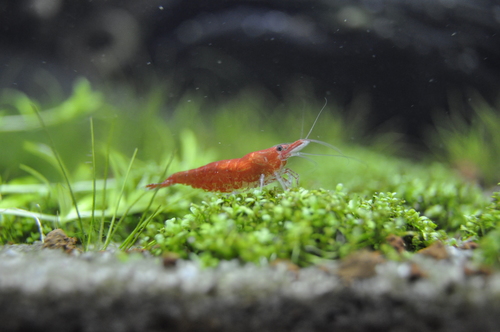
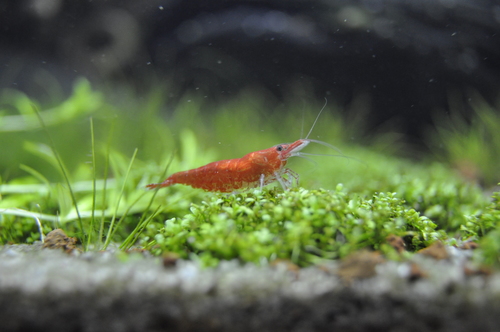
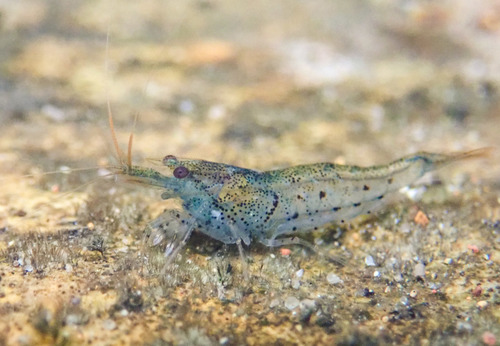
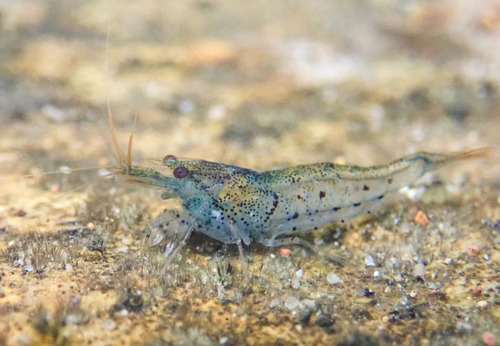
The Blue Star Shrimp (Neocaridina heteropoda var) is a stunning freshwater invertebrate known for its striking blue coloration and unique star-like patterns on its exoskeleton. Native to Southeast Asia, particularly found in the waters of Bali, this species adds not only aesthetic beauty but also ecological diversity to aquariums. With its hardy nature, it’s ideal for both novice and experienced aquarists alike.
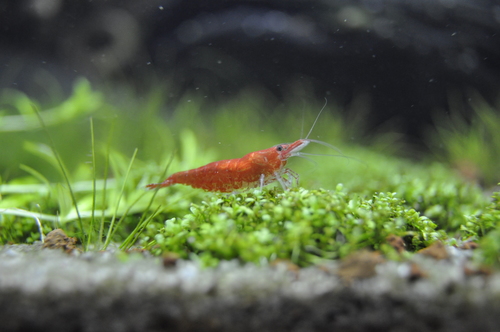
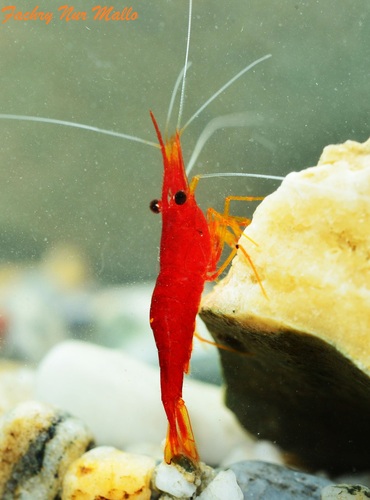
In terms of appearance, the Blue Star Shrimp displays a vivid blue coloration that can range from deep azure to lighter shades, often with contrasting dark speckles or patterns. These shrimp typically grow to a maximum size of about 4-5 cm, allowing them to be a manageable addition to various tank sizes. Their body is transparent with a hint of blue, making them a fascinating subject for observation as they interact with their environment.
Behaviorally, Blue Star Shrimp are peaceful and social creatures, often seen grazing on biofilm and algae. They thrive in groups and are non-aggressive, making them compatible with a variety of freshwater fish and invertebrates. These shrimp are also known for their interesting behaviors, such as molting and foraging, which can provide hours of entertainment for aquarium enthusiasts.
Their natural habitat includes freshwater streams and rivers with plenty of vegetation. They prefer environments with stable water parameters and ample hiding spots to feel secure. As a result, they are often found in densely planted aquariums that mimic their natural surroundings, which also helps to maintain water quality and provide a source of food in the form of detritus and algae.
In terms of appearance, the Blue Star Shrimp displays a vivid blue coloration that can range from deep azure to lighter shades, often with contrasting dark speckles or patterns. These shrimp typically grow to a maximum size of about 4-5 cm, allowing them to be a manageable addition to various tank sizes. Their body is transparent with a hint of blue, making them a fascinating subject for observation as they interact with their environment.
Behaviorally, Blue Star Shrimp are peaceful and social creatures, often seen grazing on biofilm and algae. They thrive in groups and are non-aggressive, making them compatible with a variety of freshwater fish and invertebrates. These shrimp are also known for their interesting behaviors, such as molting and foraging, which can provide hours of entertainment for aquarium enthusiasts.
Their natural habitat includes freshwater streams and rivers with plenty of vegetation. They prefer environments with stable water parameters and ample hiding spots to feel secure. As a result, they are often found in densely planted aquariums that mimic their natural surroundings, which also helps to maintain water quality and provide a source of food in the form of detritus and algae.
To ensure the health and longevity of Blue Star Shrimp, it's essential to maintain appropriate water parameters. The ideal temperature range for these shrimp is between 22-26°C, with a pH level of 6.5 to 8.0. They thrive in a well-maintained aquarium of at least 20 liters, offering ample space for swimming and hiding.
Feeding Blue Star Shrimp is relatively easy; they are omnivores and will consume algae, detritus, and specially formulated shrimp foods. A balanced diet including blanched vegetables and high-quality pellets will enhance their coloration and overall health. It's important to monitor their diet to prevent overfeeding, which can lead to water quality issues.
When introducing Blue Star Shrimp to a new aquarium, acclimation is crucial. Gradually acclimating them to the new environment helps reduce stress. Quarantine new arrivals for at least a week to ensure they are free from disease before adding them to your main tank. These shrimp are compatible with many species, but it’s best to avoid aggressive tank mates that may pose a threat.
Regular water changes and maintaining a good filtration system will contribute to a stable environment, promoting the shrimp's health and breeding potential. Monitor water parameters regularly to ensure they remain within the ideal ranges.
Feeding Blue Star Shrimp is relatively easy; they are omnivores and will consume algae, detritus, and specially formulated shrimp foods. A balanced diet including blanched vegetables and high-quality pellets will enhance their coloration and overall health. It's important to monitor their diet to prevent overfeeding, which can lead to water quality issues.
When introducing Blue Star Shrimp to a new aquarium, acclimation is crucial. Gradually acclimating them to the new environment helps reduce stress. Quarantine new arrivals for at least a week to ensure they are free from disease before adding them to your main tank. These shrimp are compatible with many species, but it’s best to avoid aggressive tank mates that may pose a threat.
Regular water changes and maintaining a good filtration system will contribute to a stable environment, promoting the shrimp's health and breeding potential. Monitor water parameters regularly to ensure they remain within the ideal ranges.
Blue Star Shrimp are suitable for shipping and can be packed efficiently with a density of about 10-15 shrimp per liter of water. It's crucial to maintain stable temperatures during transport, ideally between 22-26°C, to minimize stress. Ensure that they are packed with adequate oxygen and insulation. There are no CITES restrictions on this species, making it easier for wholesale export.
Species Parameters
Max Adult Size
5.0 cm
Origin
Southeast Asia
Diet
omnivore
Temp Min
22.0 °C
Temp Max
26.0 °C
pH Min
6.50
pH Max
8.00
Min Tank
20 L