Bloody Mary Shrimp
Neocaridina heteropoda
In Stock
Common stock
Wild Caught
Moderate care
Not Reef Safe
SKU: 01-B-01-028-01
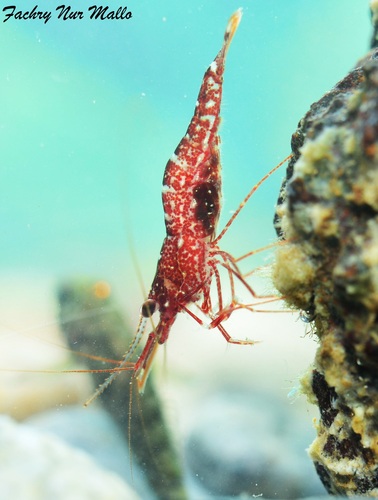
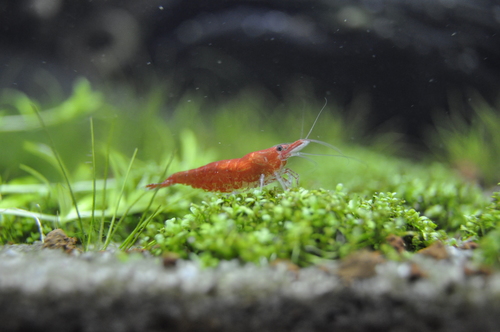
The Bloody Mary Shrimp is a striking freshwater invertebrate known for its vibrant red coloration.
Pricing for Verified Importers
Log in to see wholesale prices and order.
Export Size
up to 4.0 cm
Origin
Southeast Asia
Temperature
22.0–26.0°C
Min. Tank Size
20 L
pH
6.50–8.00
Diet
omnivore
Neocaridina heteropoda, commonly known as the Bloody Mary Shrimp, is a beautiful freshwater shrimp that captivates aquarists with its stunning red hue. This species is a variant of the well-known Neocaridina davidi, which is native to various regions in Asia, including Taiwan, China, and Vietnam. The Bloody Mary variant has been selectively bred to enhance its vivid coloration, making it a popular choice for shrimp enthusiasts and aquarium displays alike.
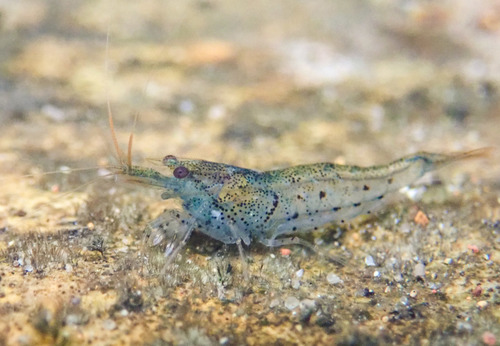
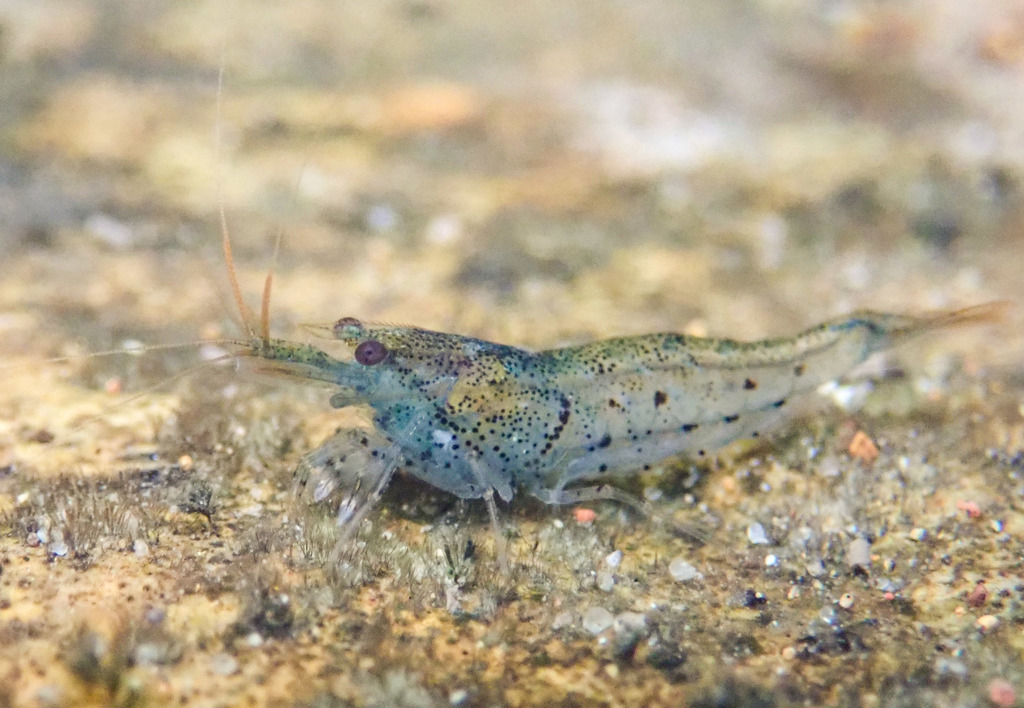
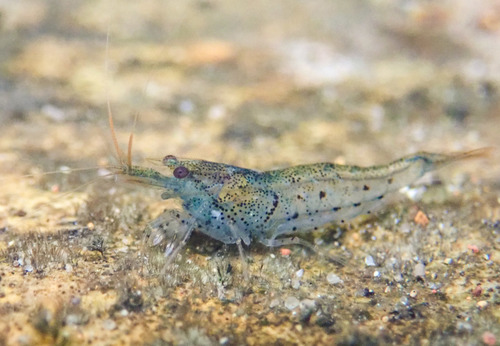
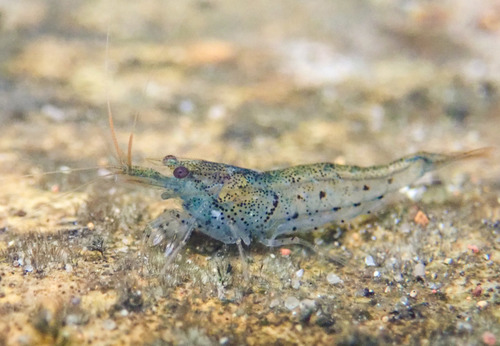
In terms of appearance, the Bloody Mary Shrimp can reach a maximum size of approximately 4.0 cm. Its striking coloration can range from deep red to variations with darker or lighter shades, depending on the breeding lineage. These shrimp have a delicate, transparent body with a distinctively elongated shape, and their bright color serves as a visual highlight in any aquascape. Their small size and lively nature make them a delightful addition to community tanks.
The natural habitat of Neocaridina heteropoda includes freshwater bodies such as streams, ponds, and rivers, where they thrive in a rich environment of aquatic plants and organic matter. In the wild, they are omnivorous scavengers, feeding on algae, detritus, and biofilm, playing an essential role in maintaining water quality. Their adaptability to various environmental conditions contributes to their popularity in the aquarium trade, although in some regions, they have become invasive.
Bloody Mary Shrimp are known for their peaceful temperament, making them suitable for community tanks with other non-aggressive species. They exhibit interesting social behaviors, often seen grazing together, and can be quite active, adding dynamic movement to aquaria. Proper care and a suitable environment are crucial for their health and vibrancy.
In terms of appearance, the Bloody Mary Shrimp can reach a maximum size of approximately 4.0 cm. Its striking coloration can range from deep red to variations with darker or lighter shades, depending on the breeding lineage. These shrimp have a delicate, transparent body with a distinctively elongated shape, and their bright color serves as a visual highlight in any aquascape. Their small size and lively nature make them a delightful addition to community tanks.
The natural habitat of Neocaridina heteropoda includes freshwater bodies such as streams, ponds, and rivers, where they thrive in a rich environment of aquatic plants and organic matter. In the wild, they are omnivorous scavengers, feeding on algae, detritus, and biofilm, playing an essential role in maintaining water quality. Their adaptability to various environmental conditions contributes to their popularity in the aquarium trade, although in some regions, they have become invasive.
Bloody Mary Shrimp are known for their peaceful temperament, making them suitable for community tanks with other non-aggressive species. They exhibit interesting social behaviors, often seen grazing together, and can be quite active, adding dynamic movement to aquaria. Proper care and a suitable environment are crucial for their health and vibrancy.
To ensure the optimal health of Bloody Mary Shrimp, it is essential to maintain stable water parameters. The ideal temperature range is between 22°C to 26°C, with a pH of 6.5 to 8.0. Regular water changes and good filtration will help maintain water quality. As a freshwater species, they do not require salinity adjustments.
Feeding these shrimp is straightforward; they are omnivores and thrive on a varied diet that includes high-quality shrimp pellets, blanched vegetables, algae wafers, and biofilm. It's important to provide a balanced diet to promote their vibrant coloration and overall health. Compatibility-wise, Bloody Mary Shrimp can coexist with various peaceful fish and invertebrates, but care should be taken to avoid larger or aggressive species that may view them as food.
Acclimation is critical when introducing these shrimp to a new environment. It is recommended to use the drip acclimation method to slowly adjust them to the new water conditions. Quarantine new arrivals for at least two weeks to prevent the introduction of pathogens to the main tank. Monitoring their health and behavior during this period will ensure a smooth transition and help maintain a thriving aquatic ecosystem.
Feeding these shrimp is straightforward; they are omnivores and thrive on a varied diet that includes high-quality shrimp pellets, blanched vegetables, algae wafers, and biofilm. It's important to provide a balanced diet to promote their vibrant coloration and overall health. Compatibility-wise, Bloody Mary Shrimp can coexist with various peaceful fish and invertebrates, but care should be taken to avoid larger or aggressive species that may view them as food.
Acclimation is critical when introducing these shrimp to a new environment. It is recommended to use the drip acclimation method to slowly adjust them to the new water conditions. Quarantine new arrivals for at least two weeks to prevent the introduction of pathogens to the main tank. Monitoring their health and behavior during this period will ensure a smooth transition and help maintain a thriving aquatic ecosystem.
Bloody Mary Shrimp are suitable for shipping and can be packed at a density of 10-15 shrimp per bag, depending on their size. It is crucial to maintain a stable temperature during transport, ideally between 22°C and 26°C, to minimize stress. Ensure the bags are well-oxygenated and insulated to protect against temperature fluctuations. This species is not listed under CITES, which facilitates export processes.
Species Parameters
Max Adult Size
4.0 cm
Origin
Southeast Asia
Diet
omnivore
Temp Min
22.0 °C
Temp Max
26.0 °C
pH Min
6.50
pH Max
8.00
Min Tank
20 L