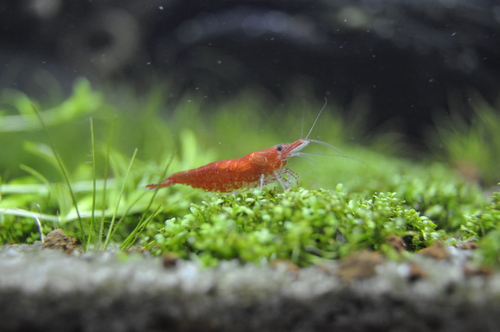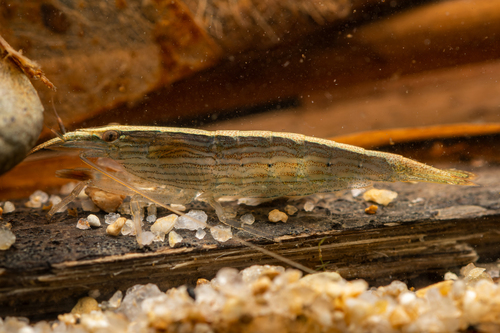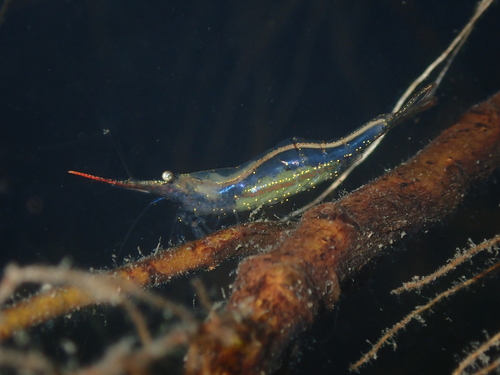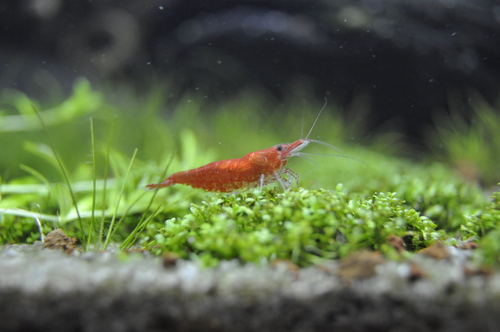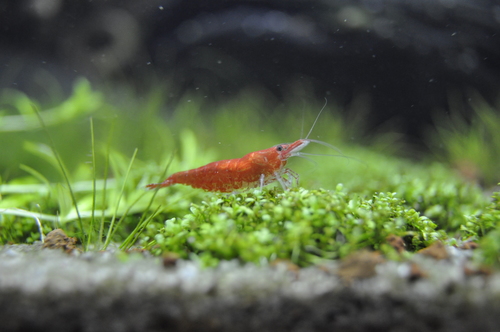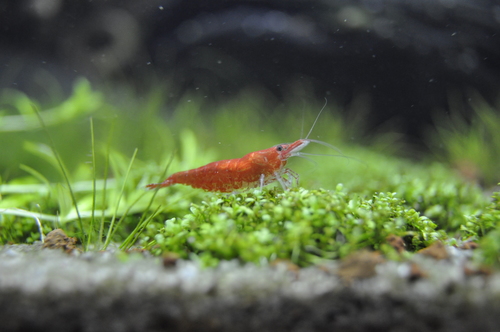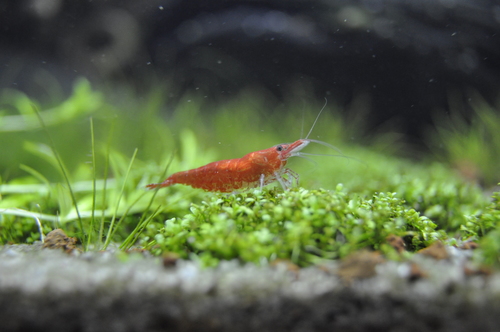
Blue Turquoise Shrimp
Neocaridina heteropoda
In Stock
Common stock
Wild Caught
Moderate care
Not Reef Safe
SKU: 01-B-01-026-01
The Blue Turquoise Shrimp captivates with its vibrant blue hue and adaptability, making it a popular choice for aquarists.
Pricing for Verified Importers
Log in to see wholesale prices and order.
Export Size
up to 4.0 cm
Origin
Southeast Asia
Temperature
20.0–26.0°C
Min. Tank Size
20 L
pH
6.50–8.00
Diet
omnivore
The Blue Turquoise Shrimp, scientifically known as Neocaridina heteropoda, is a stunning freshwater invertebrate hailing from Southeast Asia. This shrimp is celebrated for its striking blue coloration, which has made it a favorite among aquarium enthusiasts. Typically reaching a maximum size of 4.0 cm, these shrimp are small yet visually impactful, adding a burst of color to any aquatic environment. Their vibrant appearance is enhanced by their ability to thrive in various water conditions, making them an ideal choice for both novice and experienced aquarists.
In their natural habitat, Blue Turquoise Shrimp inhabit freshwater bodies such as rivers, streams, and ponds. They are omnivorous scavengers, feeding on algae, detritus, and organic matter. This dietary flexibility allows them to adapt to different environments, contributing to their popularity in the pet trade. While their wild counterparts exhibit a mottled brown coloration, selective breeding has given rise to captivating color morphs like the Blue Turquoise, showcasing the versatility of this species.
Behaviorally, Blue Turquoise Shrimp are known for their peaceful nature. They thrive in community tanks, cohabiting harmoniously with other small fish and invertebrates. Their social behavior includes foraging in groups, which helps keep the tank clean and promotes a healthy ecosystem. Additionally, these shrimp are relatively low maintenance, making them an ideal choice for aquarists looking to add life and color without significant care demands.
Overall, the Blue Turquoise Shrimp is not only visually appealing but also plays an essential role in maintaining the ecological balance of its aquatic environment. With their ease of care and vibrant colors, they have become a staple in the aquarium trade, appealing to a wide range of customers worldwide.
In their natural habitat, Blue Turquoise Shrimp inhabit freshwater bodies such as rivers, streams, and ponds. They are omnivorous scavengers, feeding on algae, detritus, and organic matter. This dietary flexibility allows them to adapt to different environments, contributing to their popularity in the pet trade. While their wild counterparts exhibit a mottled brown coloration, selective breeding has given rise to captivating color morphs like the Blue Turquoise, showcasing the versatility of this species.
Behaviorally, Blue Turquoise Shrimp are known for their peaceful nature. They thrive in community tanks, cohabiting harmoniously with other small fish and invertebrates. Their social behavior includes foraging in groups, which helps keep the tank clean and promotes a healthy ecosystem. Additionally, these shrimp are relatively low maintenance, making them an ideal choice for aquarists looking to add life and color without significant care demands.
Overall, the Blue Turquoise Shrimp is not only visually appealing but also plays an essential role in maintaining the ecological balance of its aquatic environment. With their ease of care and vibrant colors, they have become a staple in the aquarium trade, appealing to a wide range of customers worldwide.
To ensure the optimal health of Blue Turquoise Shrimp, maintain water parameters within the following ranges: temperature between 20°C to 26°C, pH levels from 6.5 to 8.0, and a minimum tank size of 20 liters per shrimp. They prefer well-planted tanks with plenty of hiding spots, such as rocks and driftwood, to mimic their natural habitat.
Feeding should consist of a varied diet, including high-quality shrimp pellets, algae wafers, and blanched vegetables. This omnivorous diet ensures they receive essential nutrients for growth and vibrant coloration. Regularly supplementing their diet with calcium-rich foods is crucial for their molting process.
When introducing Blue Turquoise Shrimp to a new tank, acclimation is key. Gradually introduce them to the tank environment over a period of 1-2 hours to minimize stress. Quarantine new arrivals for at least two weeks to monitor for any signs of disease, which helps protect the established tank inhabitants. Compatibility-wise, they are peaceful and can coexist with small, non-aggressive fish and other invertebrates, although larger or more aggressive species may pose a threat.
Regular water changes of 10-20% weekly can help maintain water quality and reduce nitrate levels, ensuring a healthy environment for your shrimp. With proper care, Blue Turquoise Shrimp can thrive and reproduce, contributing to the beauty of any aquarium.
Feeding should consist of a varied diet, including high-quality shrimp pellets, algae wafers, and blanched vegetables. This omnivorous diet ensures they receive essential nutrients for growth and vibrant coloration. Regularly supplementing their diet with calcium-rich foods is crucial for their molting process.
When introducing Blue Turquoise Shrimp to a new tank, acclimation is key. Gradually introduce them to the tank environment over a period of 1-2 hours to minimize stress. Quarantine new arrivals for at least two weeks to monitor for any signs of disease, which helps protect the established tank inhabitants. Compatibility-wise, they are peaceful and can coexist with small, non-aggressive fish and other invertebrates, although larger or more aggressive species may pose a threat.
Regular water changes of 10-20% weekly can help maintain water quality and reduce nitrate levels, ensuring a healthy environment for your shrimp. With proper care, Blue Turquoise Shrimp can thrive and reproduce, contributing to the beauty of any aquarium.
Blue Turquoise Shrimp are suitable for shipping due to their hardiness and adaptability. When packing, ensure a density of 10-15 shrimp per liter of water to provide adequate space and oxygen. Maintain a temperature range of 18°C to 24°C during transport to prevent stress. These shrimp are not listed under CITES, simplifying the export process. Taking care to minimize transit time will further support their health upon arrival.
Species Parameters
Max Adult Size
4.0 cm
Origin
Southeast Asia
Diet
omnivore
Temp Min
20.0 °C
Temp Max
26.0 °C
pH Min
6.50
pH Max
8.00
Min Tank
20 L