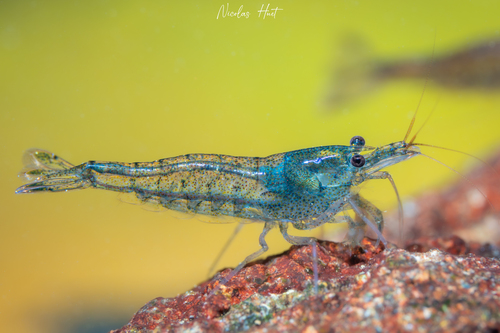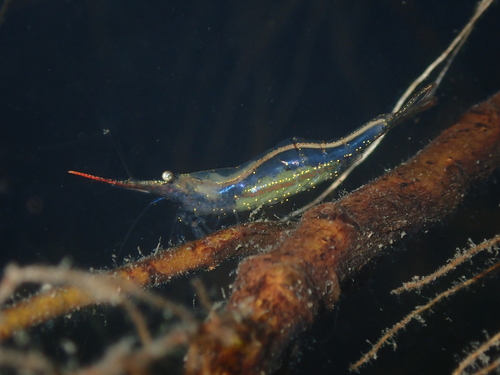
Pinocchio Shrimp
Caridina gracilirostris
In Stock
Common stock
Wild Caught
Moderate care
Not Reef Safe
SKU: 01-B-01-062-03
The Pinocchio Shrimp is a unique algae-eating invertebrate with an elongated rostrum.
Pricing for Verified Importers
Log in to see wholesale prices and order.
Export Size
up to 4.0 cm
Origin
Indo-Pacific
Temperature
22.0–28.0°C
Min. Tank Size
40 L
pH
6.50–8.00
Diet
herbivore
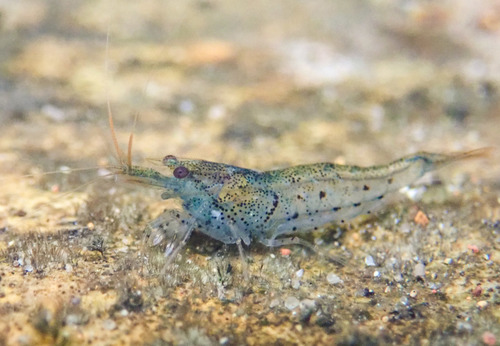
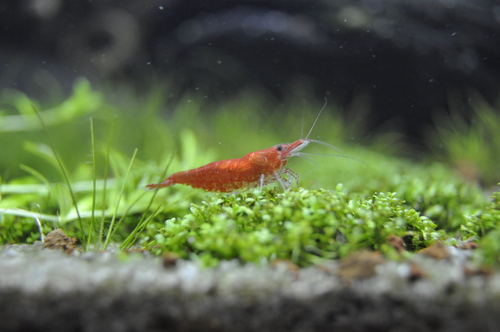
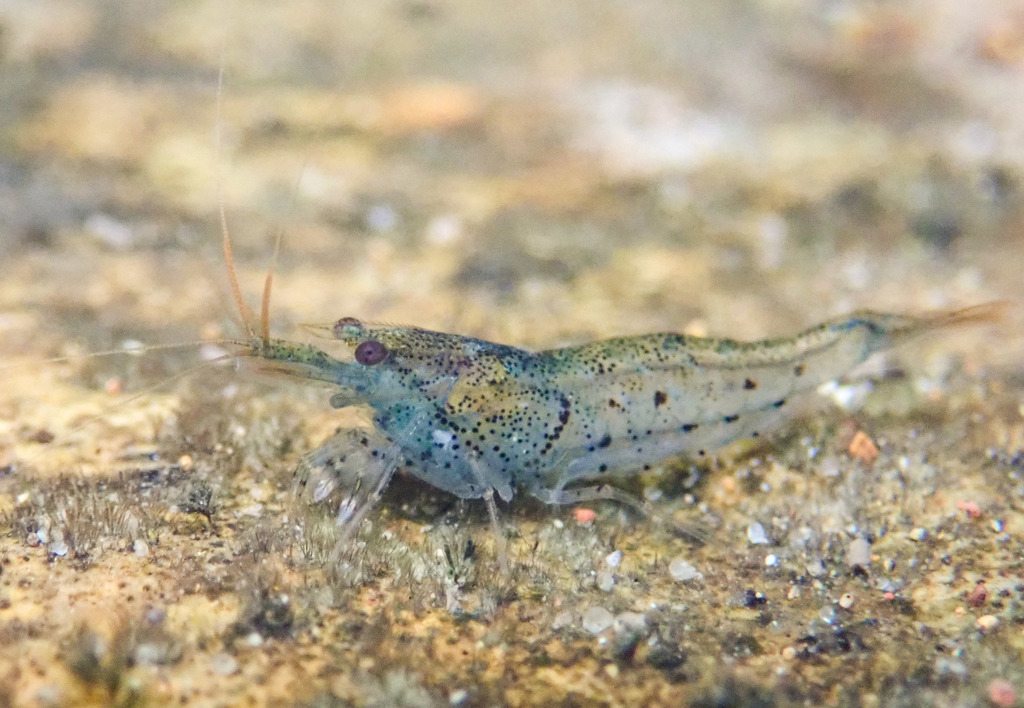
Caridina gracilirostris, commonly known as the Pinocchio Shrimp, is a fascinating species that thrives in brackish environments, particularly in mangroves and marshes. Native to a wide range extending from Japan and Fiji through Indonesia to Madagascar, this shrimp showcases an impressive adaptability to varying salinity levels. Its striking appearance features an elongated rostrum, which is a distinctive characteristic that resembles the nose of the beloved fairy tale character, Pinocchio.
In terms of coloration, the Pinocchio Shrimp displays a vibrant palette, often featuring shades of red, orange, or yellow, which can vary among individuals. This shrimp is known for its social behavior, often seen foraging in groups, grazing on algae and detritus. Their peaceful nature makes them an excellent addition to community tanks, where they contribute to the overall health of the aquarium by helping to maintain a clean environment.
The Pinocchio Shrimp is not only visually appealing but also plays a crucial role in its ecosystem. As an algae-eater, it helps control algae growth, making it a valuable asset for aquarists looking to maintain balanced water conditions. Their habitat preferences also highlight their ecological importance, as they are often found in areas where freshwater meets saltwater, showcasing their unique adaptability.
Overall, the Pinocchio Shrimp is a captivating species that offers both aesthetic and functional benefits to aquarists. Its unique morphology, coupled with its intriguing behavior, makes it a popular choice for those looking to enhance their aquatic displays with engaging and beneficial invertebrates.
In terms of coloration, the Pinocchio Shrimp displays a vibrant palette, often featuring shades of red, orange, or yellow, which can vary among individuals. This shrimp is known for its social behavior, often seen foraging in groups, grazing on algae and detritus. Their peaceful nature makes them an excellent addition to community tanks, where they contribute to the overall health of the aquarium by helping to maintain a clean environment.
The Pinocchio Shrimp is not only visually appealing but also plays a crucial role in its ecosystem. As an algae-eater, it helps control algae growth, making it a valuable asset for aquarists looking to maintain balanced water conditions. Their habitat preferences also highlight their ecological importance, as they are often found in areas where freshwater meets saltwater, showcasing their unique adaptability.
Overall, the Pinocchio Shrimp is a captivating species that offers both aesthetic and functional benefits to aquarists. Its unique morphology, coupled with its intriguing behavior, makes it a popular choice for those looking to enhance their aquatic displays with engaging and beneficial invertebrates.
When caring for the Pinocchio Shrimp, maintaining stable water parameters is essential for their health and wellbeing. They thrive in a temperature range of 22-28°C, with a pH level between 6.5 and 8.0. While they can adapt to varying salinity levels, it is generally recommended to keep them in slightly brackish water with a salinity of around 1-5 ppt. A minimum tank size of 40 liters is advisable to provide ample space for foraging and social interaction.
Feeding Pinocchio Shrimp is relatively straightforward, as they are primarily herbivores, preferring a diet rich in algae, biofilm, and high-quality shrimp pellets. Supplementing their diet with blanched vegetables such as zucchini or spinach can also promote their health. Care should be taken to ensure compatibility with other tank inhabitants, as they are peaceful and can be bullied by larger or more aggressive species.
Acclimating new shrimp to their environment should be done gradually to reduce stress. A slow drip acclimation process over several hours is ideal. Quarantine is also recommended for new arrivals to prevent the introduction of diseases into established tanks. Monitoring water quality and conducting regular maintenance will ensure a thriving environment for these unique invertebrates.
Feeding Pinocchio Shrimp is relatively straightforward, as they are primarily herbivores, preferring a diet rich in algae, biofilm, and high-quality shrimp pellets. Supplementing their diet with blanched vegetables such as zucchini or spinach can also promote their health. Care should be taken to ensure compatibility with other tank inhabitants, as they are peaceful and can be bullied by larger or more aggressive species.
Acclimating new shrimp to their environment should be done gradually to reduce stress. A slow drip acclimation process over several hours is ideal. Quarantine is also recommended for new arrivals to prevent the introduction of diseases into established tanks. Monitoring water quality and conducting regular maintenance will ensure a thriving environment for these unique invertebrates.
Pinocchio Shrimp are suitable for shipping due to their robust nature. Packing density should be moderate to ensure adequate oxygen levels during transport. It's crucial to maintain shipping temperatures between 22-25°C to minimize stress. As a non-CITES-listed species, there are no specific export restrictions, making them an excellent choice for wholesalers and retailers.
Species Parameters
Max Adult Size
4.0 cm
Origin
Indo-Pacific
Diet
herbivore
Temp Min
22.0 °C
Temp Max
28.0 °C
pH Min
6.50
pH Max
8.00
Min Tank
40 L