Orange Shrimp (Wild Caught)
Caridina propinqua
In Stock
Common stock
Wild Caught
Moderate care
Not Reef Safe
SKU: 01-B-01-042-15
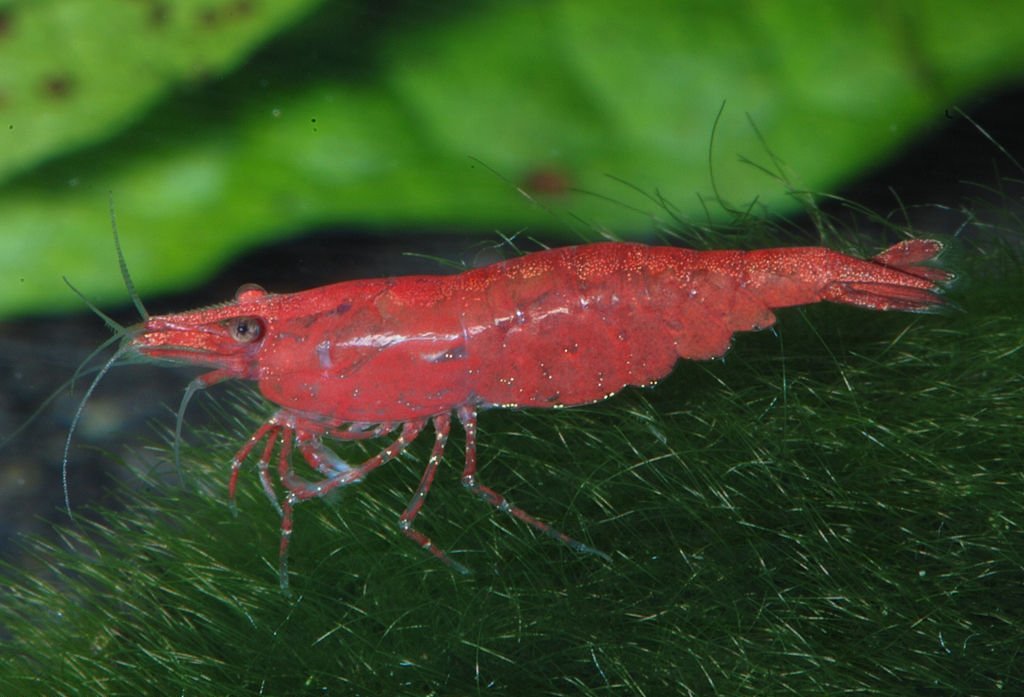
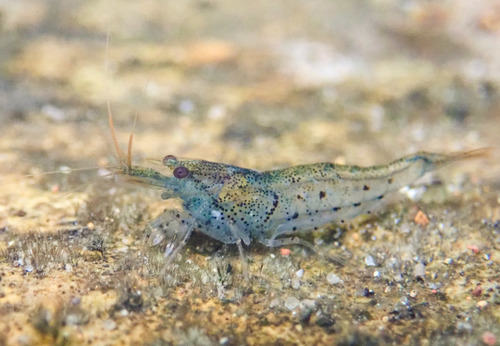
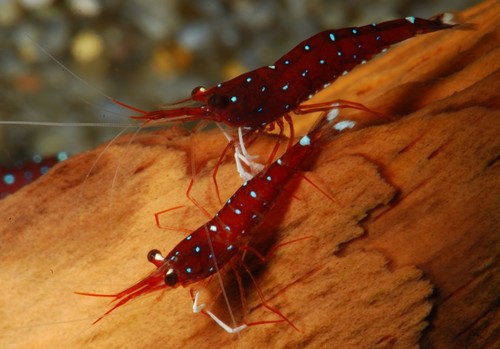
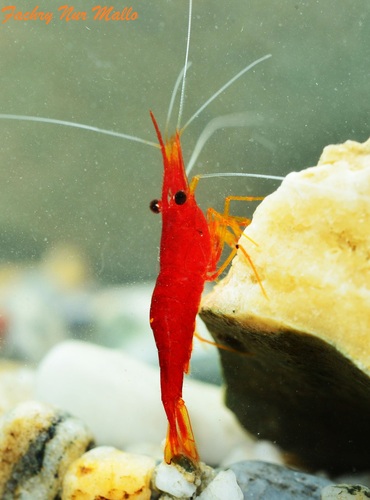
The Orange Shrimp (Caridina propinqua) is a vibrant addition to any freshwater aquarium, known for its striking color.
Pricing for Verified Importers
Log in to see wholesale prices and order.
Export Size
up to 4.0 cm
Origin
Southeast Asia
Temperature
22.0–28.0°C
Min. Tank Size
20 L
pH
6.50–7.50
Diet
omnivore
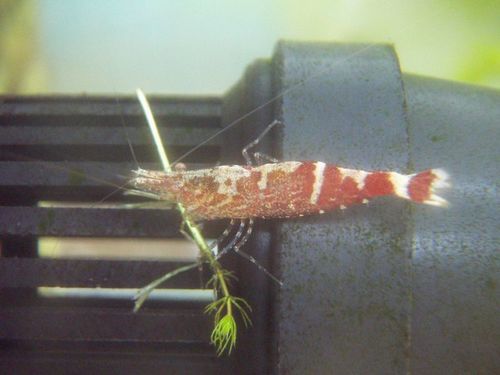
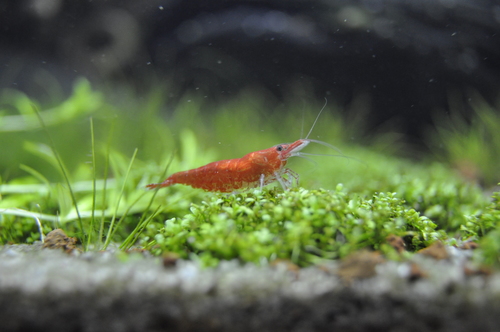
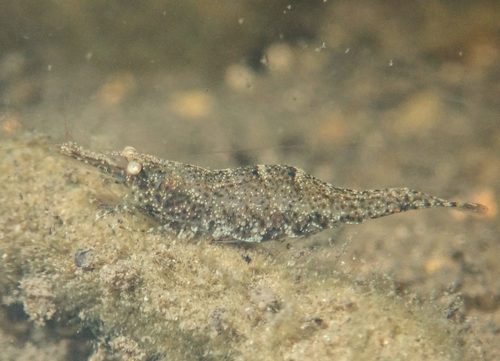
The Orange Shrimp, scientifically known as Caridina propinqua, is a captivating freshwater invertebrate native to the lush waterways of Bali, Indonesia. It showcases a brilliant orange coloration that brightens any aquarium, making it a popular choice among aquarists. This species exhibits a compact body structure, typically reaching a maximum size of about 4 cm, with a distinctively transparent exoskeleton that enhances its vivid hue. Its small size and eye-catching appearance contribute to its appeal in both community and display tanks.
In terms of behavior, the Orange Shrimp is known for its active and engaging nature. They are generally peaceful creatures that thrive in groups, making them a delightful addition to community setups. Their natural habitat consists of freshwater environments, including rivers and streams with plenty of vegetation, where they can forage for algae and detritus. This shrimp species plays a vital role in its ecosystem by helping to keep the water clean and balanced through its natural feeding habits.
The Orange Shrimp is also a hardy species, adaptable to various water conditions, which is beneficial for both novice and experienced aquarists. They are typically found in warmer waters, where they can exhibit their characteristic behaviors, such as grazing on biofilm and algae. Their dynamic movements and social interactions make them a fascinating species to observe in an aquarium setting, often showcasing interesting behaviors during feeding and interaction with tank mates.
Overall, the Orange Shrimp (Caridina propinqua) is more than just a colorful addition; it is a vital part of the freshwater ecosystem and an engaging species for aquarium enthusiasts. Its unique characteristics and ease of care make it a desirable choice for importers and retailers aiming to enhance their aquatic offerings.
In terms of behavior, the Orange Shrimp is known for its active and engaging nature. They are generally peaceful creatures that thrive in groups, making them a delightful addition to community setups. Their natural habitat consists of freshwater environments, including rivers and streams with plenty of vegetation, where they can forage for algae and detritus. This shrimp species plays a vital role in its ecosystem by helping to keep the water clean and balanced through its natural feeding habits.
The Orange Shrimp is also a hardy species, adaptable to various water conditions, which is beneficial for both novice and experienced aquarists. They are typically found in warmer waters, where they can exhibit their characteristic behaviors, such as grazing on biofilm and algae. Their dynamic movements and social interactions make them a fascinating species to observe in an aquarium setting, often showcasing interesting behaviors during feeding and interaction with tank mates.
Overall, the Orange Shrimp (Caridina propinqua) is more than just a colorful addition; it is a vital part of the freshwater ecosystem and an engaging species for aquarium enthusiasts. Its unique characteristics and ease of care make it a desirable choice for importers and retailers aiming to enhance their aquatic offerings.
For optimal care, the Orange Shrimp requires a well-maintained freshwater aquarium with stable water parameters. Ideal temperatures range from 22°C to 28°C, with a pH level between 6.5 and 7.5. Maintaining a clean environment is crucial, so regular water changes and a good filtration system are recommended. These shrimp thrive in densely planted tanks where they can find hiding spots and forage for food.
Feeding Orange Shrimp is relatively straightforward; they are omnivorous and will consume algae, biofilm, and specially formulated shrimp pellets. Supplementing their diet with blanched vegetables like zucchini and spinach can enhance their nutrition. It is important to avoid overfeeding, as uneaten food can lead to water quality issues.
When introducing Orange Shrimp to a new aquarium, acclimation is key. Gradually introduce them to the tank environment over a period of several hours to minimize stress. Quarantine new arrivals for at least two weeks to prevent the introduction of diseases into the main tank. In terms of compatibility, they are generally peaceful and can coexist with a variety of fish and invertebrates, although care should be taken with larger or aggressive species that may pose a threat.
To ensure the health and longevity of Orange Shrimp, regular monitoring of water quality and parameters is essential. This species is resilient, but maintaining optimal conditions will yield the best results in both growth and coloration.
Feeding Orange Shrimp is relatively straightforward; they are omnivorous and will consume algae, biofilm, and specially formulated shrimp pellets. Supplementing their diet with blanched vegetables like zucchini and spinach can enhance their nutrition. It is important to avoid overfeeding, as uneaten food can lead to water quality issues.
When introducing Orange Shrimp to a new aquarium, acclimation is key. Gradually introduce them to the tank environment over a period of several hours to minimize stress. Quarantine new arrivals for at least two weeks to prevent the introduction of diseases into the main tank. In terms of compatibility, they are generally peaceful and can coexist with a variety of fish and invertebrates, although care should be taken with larger or aggressive species that may pose a threat.
To ensure the health and longevity of Orange Shrimp, regular monitoring of water quality and parameters is essential. This species is resilient, but maintaining optimal conditions will yield the best results in both growth and coloration.
Orange Shrimp are well-suited for shipping due to their hardy nature. The recommended packing density is approximately 10-15 individuals per liter to ensure adequate oxygen levels during transit. They are sensitive to temperature fluctuations, so maintaining a stable temperature between 22°C and 28°C is crucial during shipping. As a non-CITES species, they can be transported without additional regulations, ensuring a smooth export process.
Species Parameters
Max Adult Size
4.0 cm
Origin
Southeast Asia
Diet
omnivore
Temp Min
22.0 °C
Temp Max
28.0 °C
pH Min
6.50
pH Max
7.50
Min Tank
20 L