Red Line Blue Dots Sulawesi Shrimp (CAPTIVE BREEDING)
Caridina sf. spinata
Out of Stock
Scarce stock
Wild Caught
Moderate care
Not Reef Safe
SKU: 01-B-01-084-01
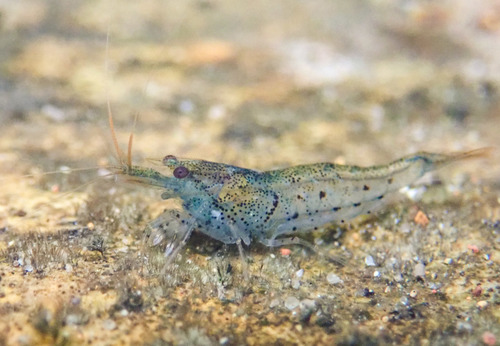
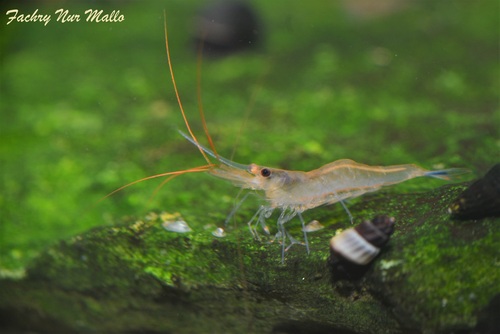
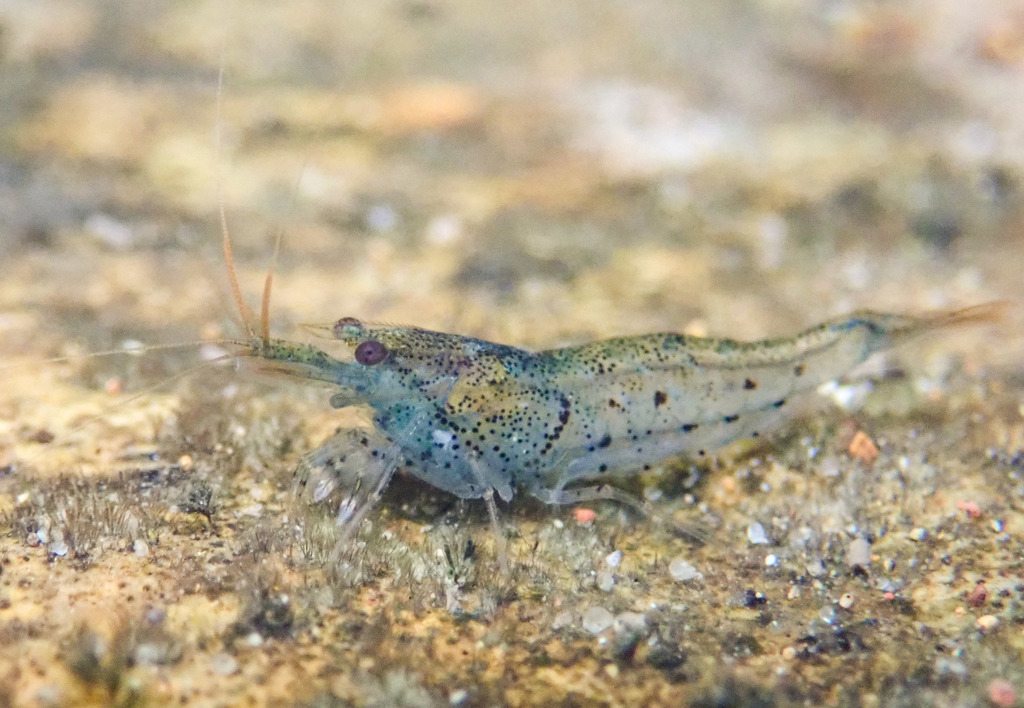
The Red Line Blue Dots Sulawesi Shrimp is a striking freshwater invertebrate known for its vibrant coloration and unique patterns.
Pricing for Verified Importers
Log in to see wholesale prices and order.
Export Size
up to 4.5 cm
Origin
Southeast Asia
Temperature
24.0–28.0°C
Min. Tank Size
20 L
pH
6.50–7.50
Diet
omnivore
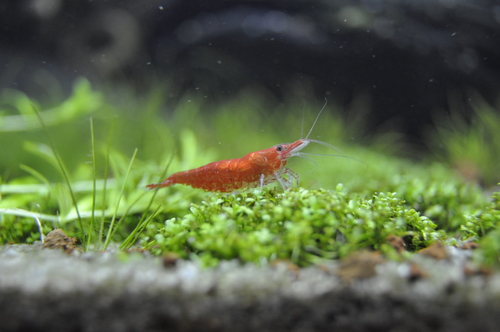
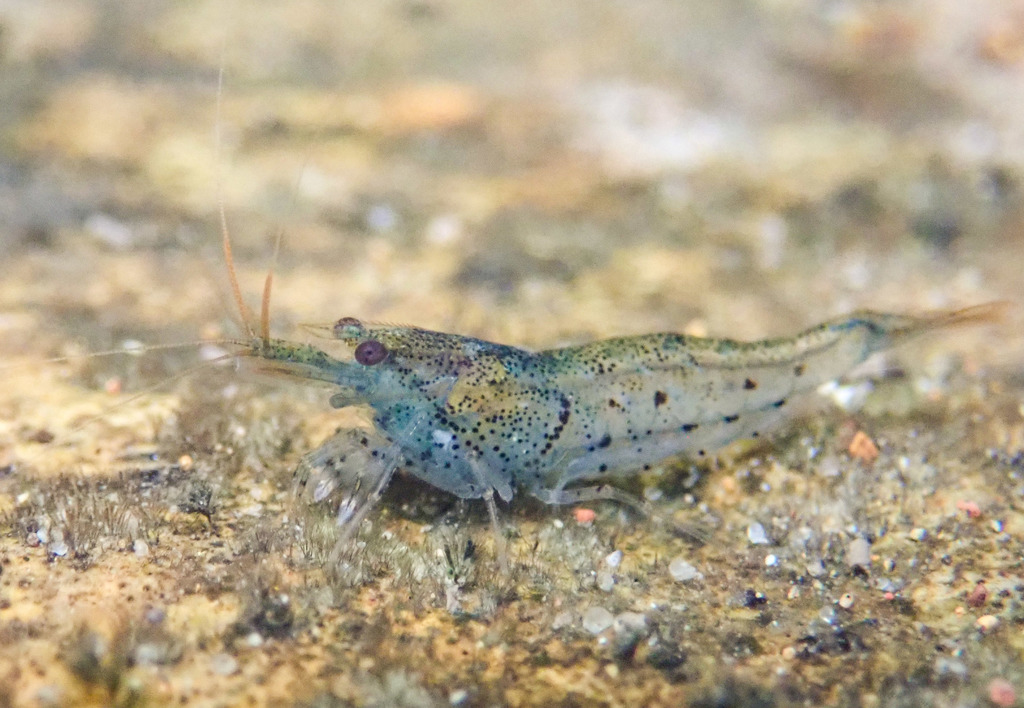
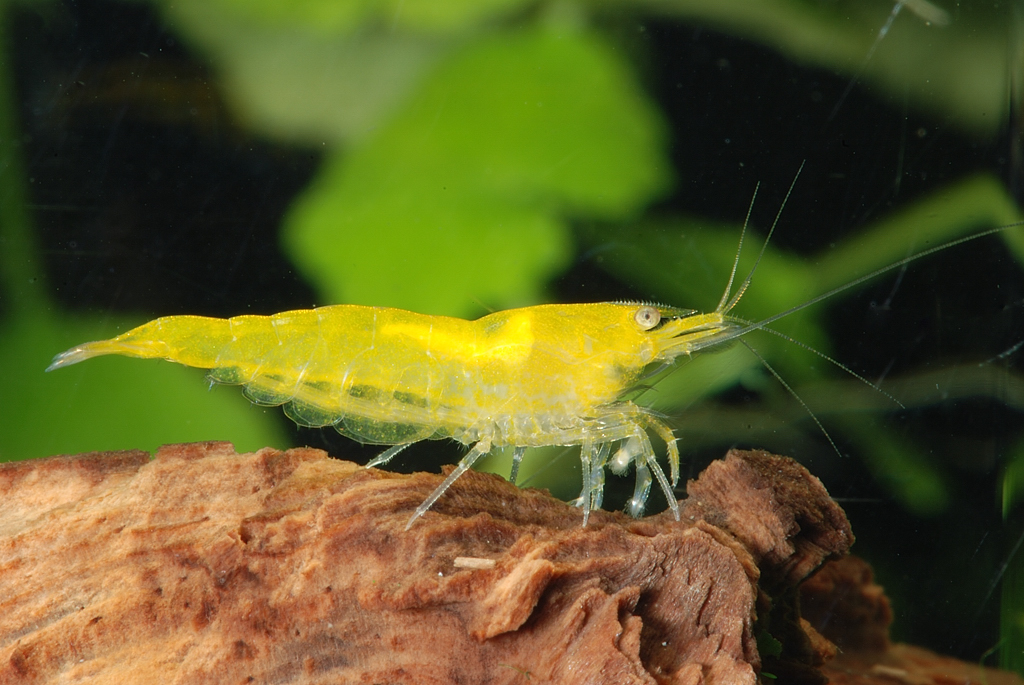
The Red Line Blue Dots Sulawesi Shrimp (Caridina sf. spinata) is a captivating freshwater shrimp native to the Sulawesi region of Indonesia. This species stands out for its vivid red lines and blue dot patterns that adorn its translucent exoskeleton, making it a favorite among aquarium enthusiasts. The coloration not only enhances its aesthetic appeal but also serves as a means of communication during mating rituals and territorial disputes.
In its natural habitat, the Red Line Blue Dots Sulawesi Shrimp thrives in slow-moving waters, often found among leaf litter, submerged wood, and rocky substrates. The shrimp is adapted to a diverse range of freshwater ecosystems, exhibiting a preference for slightly acidic to neutral pH levels. Their habitat is often characterized by dense vegetation, which provides shelter and forage opportunities, essential for their survival and growth.
Behaviorally, these shrimp are known to be semi-aggressive, particularly during breeding seasons or when defending territory. They are social creatures, usually found in small groups, and exhibit interesting interactions with one another. Their diet primarily consists of biofilm, algae, and organic debris, making them important contributors to the health of their aquatic ecosystems.
Captive breeding has become increasingly popular, allowing for sustainable practices in the aquarium trade. This has led to a stable supply of healthy specimens that retain the striking coloration and hardiness of their wild counterparts. Understanding their natural history is essential for successful husbandry in aquarium settings.
In its natural habitat, the Red Line Blue Dots Sulawesi Shrimp thrives in slow-moving waters, often found among leaf litter, submerged wood, and rocky substrates. The shrimp is adapted to a diverse range of freshwater ecosystems, exhibiting a preference for slightly acidic to neutral pH levels. Their habitat is often characterized by dense vegetation, which provides shelter and forage opportunities, essential for their survival and growth.
Behaviorally, these shrimp are known to be semi-aggressive, particularly during breeding seasons or when defending territory. They are social creatures, usually found in small groups, and exhibit interesting interactions with one another. Their diet primarily consists of biofilm, algae, and organic debris, making them important contributors to the health of their aquatic ecosystems.
Captive breeding has become increasingly popular, allowing for sustainable practices in the aquarium trade. This has led to a stable supply of healthy specimens that retain the striking coloration and hardiness of their wild counterparts. Understanding their natural history is essential for successful husbandry in aquarium settings.
To maintain optimal conditions for Red Line Blue Dots Sulawesi Shrimp, it is crucial to replicate their natural habitat as closely as possible. The ideal water parameters include a temperature range of 24-28°C, a pH of 6.5-7.5, and soft to moderately hard water. A well-planted aquarium with hiding spots will help reduce stress and promote natural behaviors.
Feeding these shrimp is straightforward; they thrive on a diet of high-quality shrimp pellets, blanched vegetables, and algae wafers. It is essential to provide a varied diet to enhance coloration and health. Compatibility-wise, they can coexist with peaceful community fish and other dwarf shrimp species but should be kept away from aggressive tank mates that may pose a threat.
Acclimation is critical when introducing new shrimp to an aquarium. A slow drip acclimation method is recommended to help them adjust to differences in water parameters. Additionally, a quarantine period of at least two weeks is advisable to prevent the introduction of pests or diseases into the main tank. Overall, providing a stable environment with proper care will ensure the long-term health and vitality of these beautiful shrimp.
Feeding these shrimp is straightforward; they thrive on a diet of high-quality shrimp pellets, blanched vegetables, and algae wafers. It is essential to provide a varied diet to enhance coloration and health. Compatibility-wise, they can coexist with peaceful community fish and other dwarf shrimp species but should be kept away from aggressive tank mates that may pose a threat.
Acclimation is critical when introducing new shrimp to an aquarium. A slow drip acclimation method is recommended to help them adjust to differences in water parameters. Additionally, a quarantine period of at least two weeks is advisable to prevent the introduction of pests or diseases into the main tank. Overall, providing a stable environment with proper care will ensure the long-term health and vitality of these beautiful shrimp.
The Red Line Blue Dots Sulawesi Shrimp is suitable for shipping due to its hardiness. Packing density should be moderate to allow for movement, and temperatures should be kept stable between 20-25°C during transit. These shrimp are not listed under CITES, but proper documentation should be maintained to ensure compliance with local regulations.
Species Parameters
Max Adult Size
4.5 cm
Origin
Southeast Asia
Diet
omnivore
Temp Min
24.0 °C
Temp Max
28.0 °C
pH Min
6.50
pH Max
7.50
Min Tank
20 L