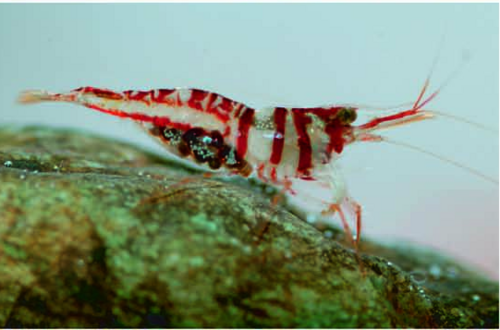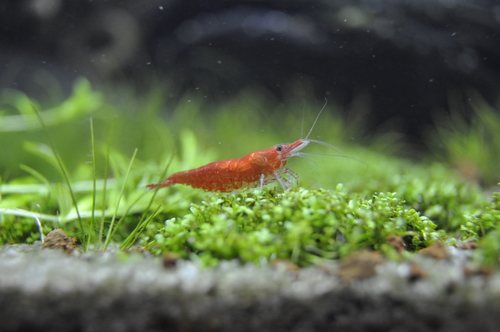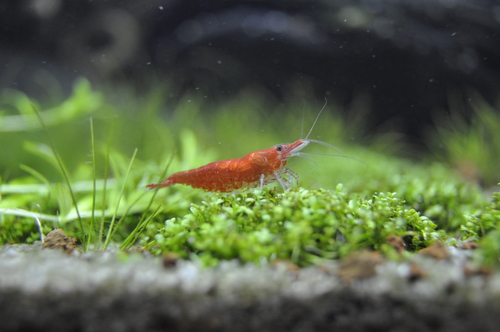
Red Rili Shrimp
Neocaridina heteropoda var.Rili
In Stock
Common stock
Wild Caught
Moderate care
Not Reef Safe
SKU: 01-B-01-049-01
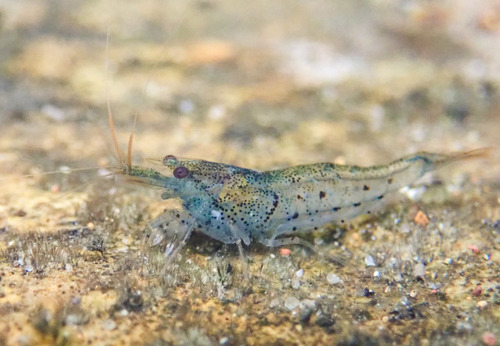
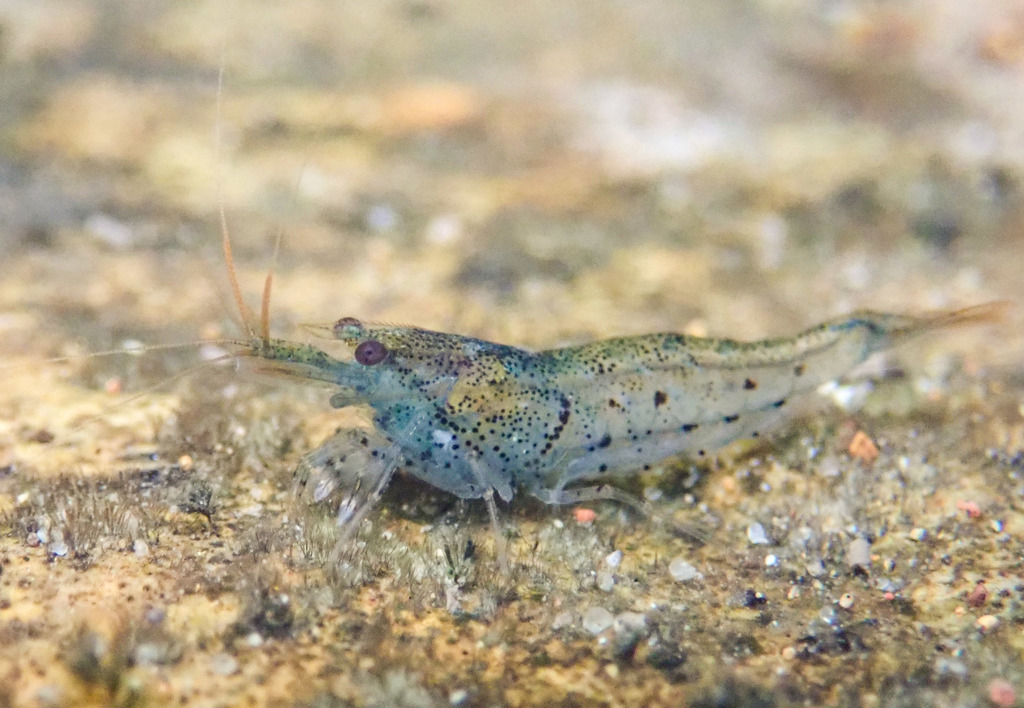
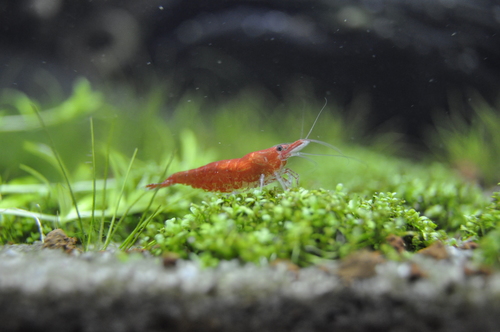
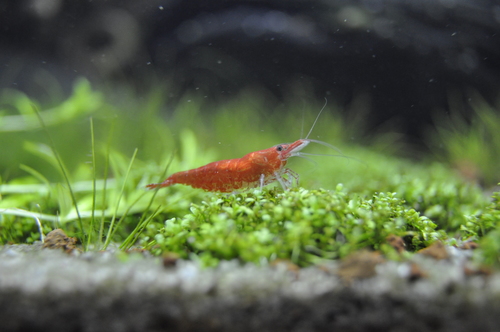
The Red Rili Shrimp is a stunning freshwater invertebrate, known for its vibrant colors and unique patterns.
Pricing for Verified Importers
Log in to see wholesale prices and order.
Export Size
up to 4.0 cm
Origin
Southeast Asia
Temperature
22.0–26.0°C
Min. Tank Size
20 L
pH
6.50–8.00
Diet
omnivore
The Red Rili Shrimp (Neocaridina heteropoda var. Rili) is a captivating freshwater invertebrate that has gained popularity in the aquarium trade due to its striking appearance and easy care requirements. This variety of the Neocaridina species exhibits a beautiful blend of red and transparent hues, with distinct patterns that vary from individual to individual. Their unique coloration not only enhances the aesthetic of any aquarium but also makes them a favorite among aquarists who appreciate vibrant aquatic life.
In their natural habitat, Red Rili Shrimp are typically found in freshwater environments such as streams, rivers, and ponds, where they inhabit areas rich in vegetation. This species thrives in environments that provide ample hiding spots, such as mosses, plants, and substrate. Their natural behavior includes scavenging for food, socializing with other shrimp, and maintaining their territory, which adds a dynamic element to any aquarium setting.
Behaviorally, Red Rili Shrimp are peaceful and can be kept in groups without aggression. They exhibit interesting social interactions, often seen grooming each other or exploring their surroundings. Their diet primarily consists of detritus, algae, and biofilm, making them essential for maintaining a balanced ecosystem in aquariums. Moreover, their breeding habits are straightforward; they are prolific breeders, and with proper care, aquarists can expect to see new shrimp fry in their tanks regularly.
Overall, the Red Rili Shrimp is not just a visually captivating species but also plays a vital role in the health of freshwater ecosystems. Their hardiness and adaptability make them suitable for both beginner and experienced aquarists alike, ensuring they remain a sought-after choice in the aquatic trade.
In their natural habitat, Red Rili Shrimp are typically found in freshwater environments such as streams, rivers, and ponds, where they inhabit areas rich in vegetation. This species thrives in environments that provide ample hiding spots, such as mosses, plants, and substrate. Their natural behavior includes scavenging for food, socializing with other shrimp, and maintaining their territory, which adds a dynamic element to any aquarium setting.
Behaviorally, Red Rili Shrimp are peaceful and can be kept in groups without aggression. They exhibit interesting social interactions, often seen grooming each other or exploring their surroundings. Their diet primarily consists of detritus, algae, and biofilm, making them essential for maintaining a balanced ecosystem in aquariums. Moreover, their breeding habits are straightforward; they are prolific breeders, and with proper care, aquarists can expect to see new shrimp fry in their tanks regularly.
Overall, the Red Rili Shrimp is not just a visually captivating species but also plays a vital role in the health of freshwater ecosystems. Their hardiness and adaptability make them suitable for both beginner and experienced aquarists alike, ensuring they remain a sought-after choice in the aquatic trade.
To ensure the well-being of Red Rili Shrimp, it is essential to maintain optimal water parameters. Ideal temperature ranges from 22°C to 26°C, with a pH level between 6.5 and 8.0. A minimum tank size of 20 liters is recommended to provide ample space for swimming and foraging. Filtration should be gentle to avoid strong currents, and a well-planted tank will aid in providing hiding spots, creating a stress-free environment for shrimp.
Feeding Red Rili Shrimp is relatively easy; they are omnivorous and thrive on a varied diet. High-quality shrimp pellets, algae wafers, and blanched vegetables like zucchini or spinach are excellent food sources. It is important to avoid overfeeding, as uneaten food can lead to poor water quality.
In terms of compatibility, Red Rili Shrimp are generally peaceful and can be housed with other non-aggressive species such as small fish and other shrimp types. However, care should be taken when introducing them to community tanks with larger or more aggressive fish that may see them as food.
When acclimating new shrimp, it is crucial to introduce them slowly to the aquarium environment. A drip acclimation method is recommended to gradually adjust them to the temperature and water conditions. Quarantine new arrivals for at least two weeks to monitor for any signs of disease before introducing them to the main tank, ensuring a healthy and thriving shrimp population.
Feeding Red Rili Shrimp is relatively easy; they are omnivorous and thrive on a varied diet. High-quality shrimp pellets, algae wafers, and blanched vegetables like zucchini or spinach are excellent food sources. It is important to avoid overfeeding, as uneaten food can lead to poor water quality.
In terms of compatibility, Red Rili Shrimp are generally peaceful and can be housed with other non-aggressive species such as small fish and other shrimp types. However, care should be taken when introducing them to community tanks with larger or more aggressive fish that may see them as food.
When acclimating new shrimp, it is crucial to introduce them slowly to the aquarium environment. A drip acclimation method is recommended to gradually adjust them to the temperature and water conditions. Quarantine new arrivals for at least two weeks to monitor for any signs of disease before introducing them to the main tank, ensuring a healthy and thriving shrimp population.
Red Rili Shrimp are suitable for shipping due to their hardiness. For optimal health during transport, they should be packed in breathable bags with sufficient oxygen and water, ideally at a density of 10-15 shrimp per liter. Temperature sensitivity is a concern; maintain a stable temperature around 22-24°C during shipping. They are not listed under CITES, simplifying export regulations.
Species Parameters
Max Adult Size
4.0 cm
Origin
Southeast Asia
Diet
omnivore
Temp Min
22.0 °C
Temp Max
26.0 °C
pH Min
6.50
pH Max
8.00
Min Tank
20 L