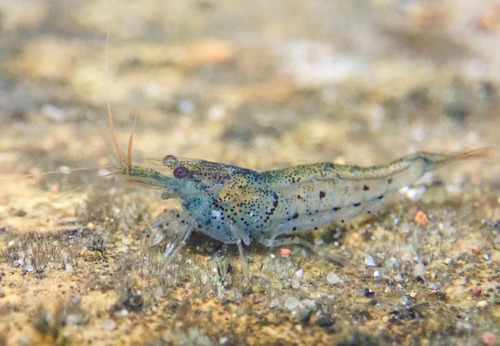
Red Pinto Shrimp (Good Grade)
Caridina cantonensis
In Stock
Common stock
Wild Caught
Moderate care
Not Reef Safe
SKU: 01-B-01-106-01
The Red Pinto Shrimp is a stunning freshwater invertebrate, prized for its vibrant coloration and unique patterns.
Pricing for Verified Importers
Log in to see wholesale prices and order.
Export Size
up to 5.0 cm
Origin
Southeast Asia
Temperature
21.0–26.0°C
Min. Tank Size
20 L
pH
6.50–7.50
Diet
omnivore
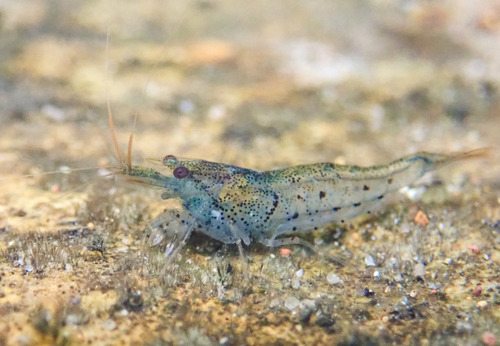
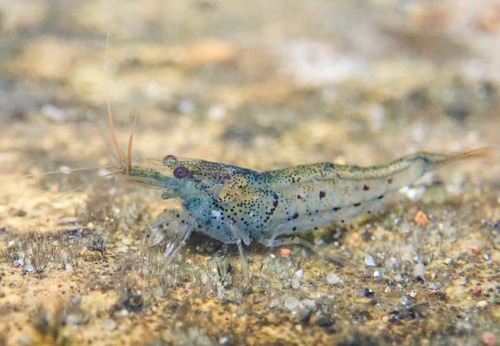
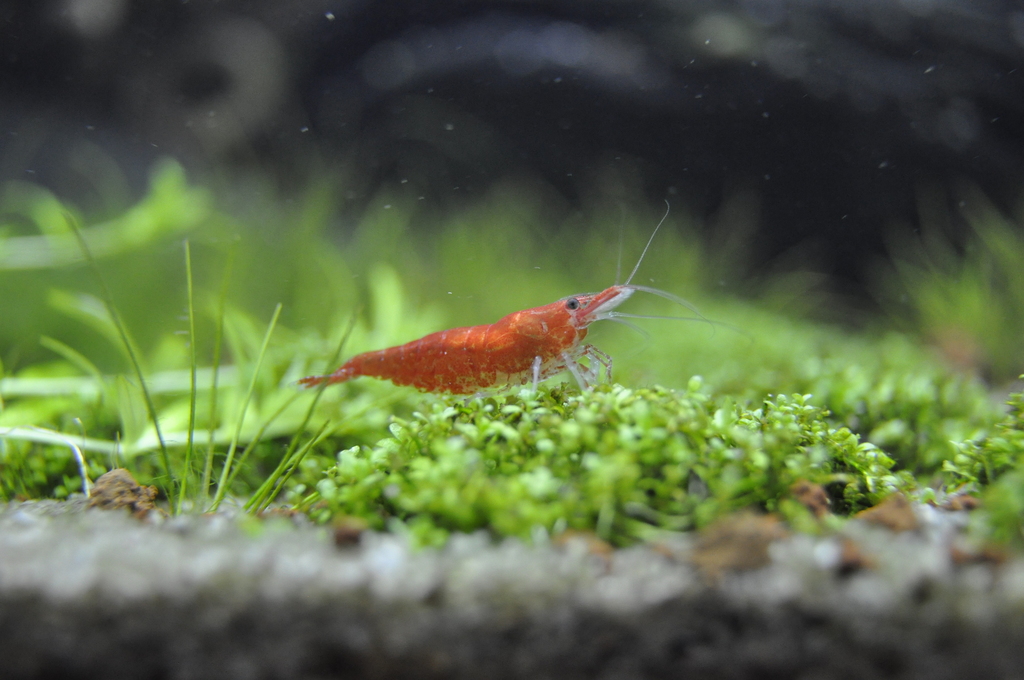
Caridina cantonensis, commonly known as the Red Pinto Shrimp, is a captivating species of freshwater shrimp that originates from Taiwan. This species is well-regarded among aquarists for its striking appearance, featuring a vivid red coloration with white patches that create a beautiful contrast, making it a popular choice for both hobbyists and commercial aquarists. As a member of the Atyidae family, these shrimp are known for their vibrant aesthetics and playful behaviors, contributing to the dynamic environment of aquariums.
In the wild, Red Pinto Shrimp inhabit freshwater streams and rivers, where they scavenge for food among decaying vegetation and algae. Their natural habitat is characterized by dense plant life, which provides both food and shelter. These shrimp are social creatures, often found in groups, and they exhibit interesting behaviors that enhance the liveliness of any aquatic setting. Their playful and curious nature makes them a joy to observe, as they interact with their environment and each other.
Red Pinto Shrimp have a lifespan of approximately 18 months, during which they can grow to a maximum size of around 4 to 5 centimeters. They thrive in stable environments that replicate their natural habitat, preferring temperatures between 21 to 26 °C (70 to 78 °F) and a pH range of 6.5 to 7.5. Selective breeding has resulted in various color morphs, with the Red Pinto being one of the most sought-after for its striking visual appeal, making it a favorite among shrimp enthusiasts.
As scavengers, these shrimp play a vital role in maintaining the health of an aquarium by consuming leftover food and helping to control algae growth. Their presence not only enhances the aesthetic of the aquarium but also contributes to a balanced ecosystem, making them a valuable addition to freshwater setups.
In the wild, Red Pinto Shrimp inhabit freshwater streams and rivers, where they scavenge for food among decaying vegetation and algae. Their natural habitat is characterized by dense plant life, which provides both food and shelter. These shrimp are social creatures, often found in groups, and they exhibit interesting behaviors that enhance the liveliness of any aquatic setting. Their playful and curious nature makes them a joy to observe, as they interact with their environment and each other.
Red Pinto Shrimp have a lifespan of approximately 18 months, during which they can grow to a maximum size of around 4 to 5 centimeters. They thrive in stable environments that replicate their natural habitat, preferring temperatures between 21 to 26 °C (70 to 78 °F) and a pH range of 6.5 to 7.5. Selective breeding has resulted in various color morphs, with the Red Pinto being one of the most sought-after for its striking visual appeal, making it a favorite among shrimp enthusiasts.
As scavengers, these shrimp play a vital role in maintaining the health of an aquarium by consuming leftover food and helping to control algae growth. Their presence not only enhances the aesthetic of the aquarium but also contributes to a balanced ecosystem, making them a valuable addition to freshwater setups.
To successfully keep Red Pinto Shrimp, it is essential to maintain optimal water parameters. Ideal temperatures range from 21 to 26 °C (70 to 78 °F) with a pH level between 6.5 and 7.5. Regular water changes and high-quality filtration systems will help maintain a clean environment, crucial for their health. A minimum tank size of 20 liters is recommended to provide adequate space for swimming and hiding.
Feeding these shrimp is straightforward; they are omnivorous and thrive on a varied diet that includes high-quality shrimp pellets, blanched vegetables, and natural algae. It is important to avoid overfeeding, as uneaten food can lead to water quality issues. Red Pinto Shrimp are compatible with peaceful tank mates, such as small fish and other non-aggressive invertebrates, but should be kept away from larger or aggressive species that may prey on them.
Acclimation is critical when introducing Red Pinto Shrimp to a new tank. It is recommended to use the drip acclimation method to slowly adjust them to the new water conditions. Quarantine new arrivals for at least two weeks to prevent potential disease transmission, ensuring a healthy and thriving population in your aquarium.
Feeding these shrimp is straightforward; they are omnivorous and thrive on a varied diet that includes high-quality shrimp pellets, blanched vegetables, and natural algae. It is important to avoid overfeeding, as uneaten food can lead to water quality issues. Red Pinto Shrimp are compatible with peaceful tank mates, such as small fish and other non-aggressive invertebrates, but should be kept away from larger or aggressive species that may prey on them.
Acclimation is critical when introducing Red Pinto Shrimp to a new tank. It is recommended to use the drip acclimation method to slowly adjust them to the new water conditions. Quarantine new arrivals for at least two weeks to prevent potential disease transmission, ensuring a healthy and thriving population in your aquarium.
Red Pinto Shrimp are suitable for shipping, provided they are packed with care to minimize stress during transit. Optimal packing density is crucial; typically, 10-15 shrimp per liter of water is advisable to ensure adequate oxygen levels. Temperature sensitivity should be considered, with temperatures maintained between 21 to 26 °C during shipping. As Caridina cantonensis is not listed under CITES, shipping regulations are straightforward, facilitating international export.
Species Parameters
Max Adult Size
5.0 cm
Origin
Southeast Asia
Diet
omnivore
Temp Min
21.0 °C
Temp Max
26.0 °C
pH Min
6.50
pH Max
7.50
Min Tank
20 L