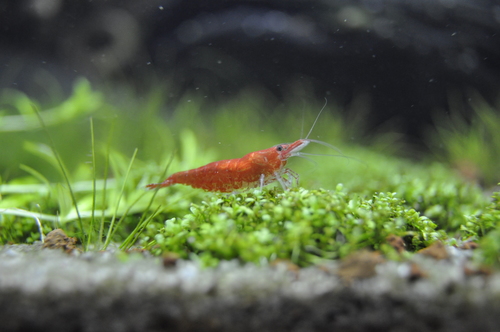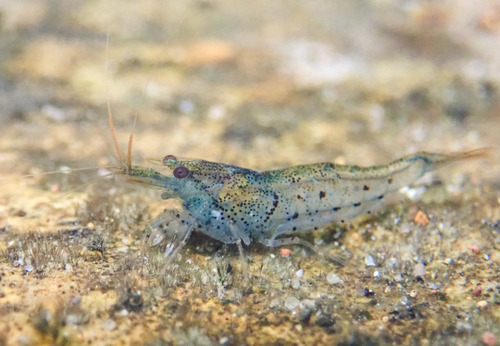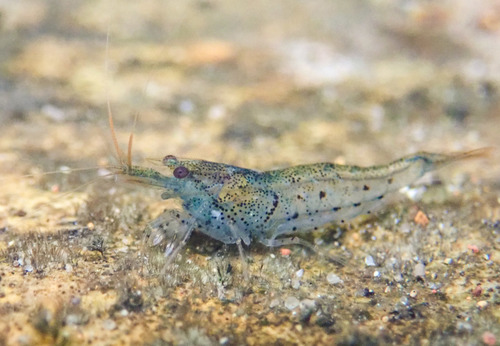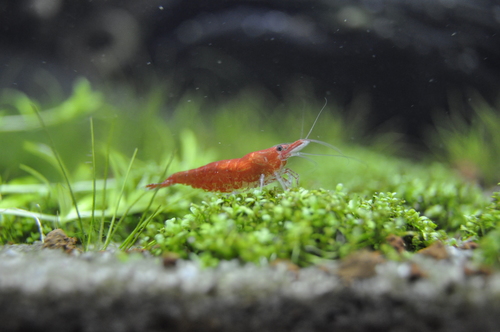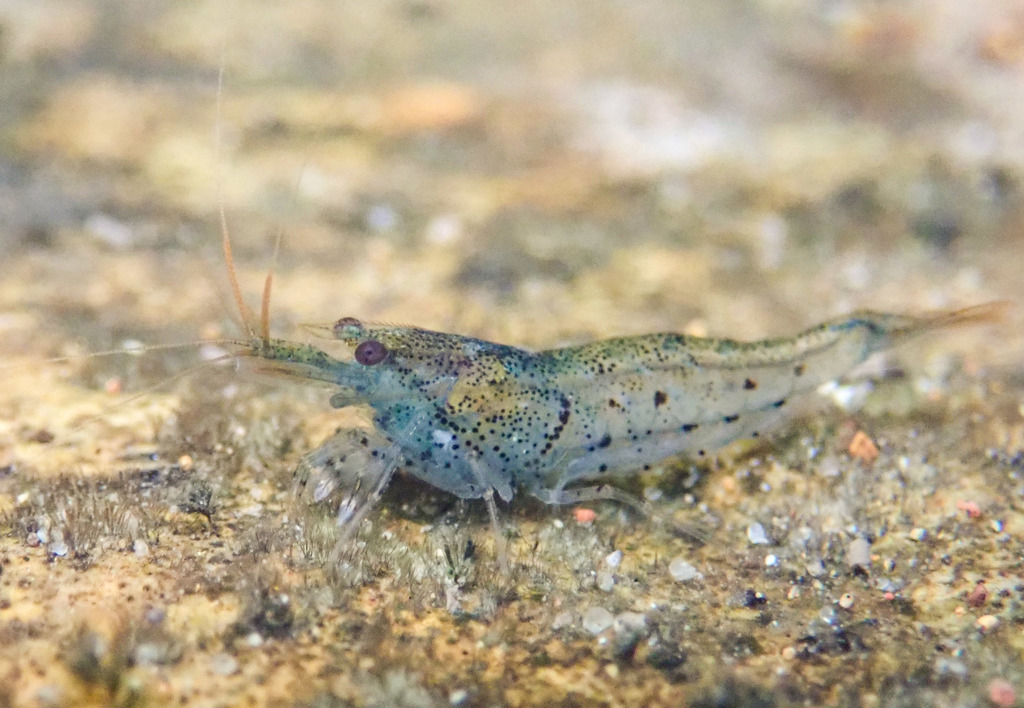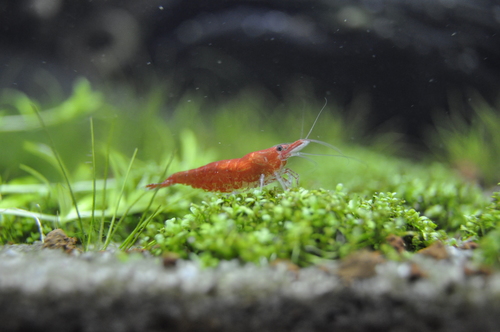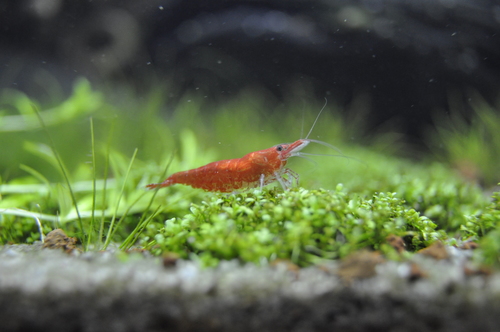
Red Sakura Shrimp
Neocaridina heteropoda
In Stock
Common stock
Wild Caught
Moderate care
Not Reef Safe
SKU: 01-B-01-024-01
The Red Sakura Shrimp is a striking freshwater invertebrate, perfect for vibrant aquascapes.
Pricing for Verified Importers
Log in to see wholesale prices and order.
Export Size
up to 4.0 cm
Origin
Southeast Asia
Temperature
20.0–26.0°C
Min. Tank Size
20 L
pH
6.50–8.00
Diet
omnivore
Neocaridina heteropoda, commonly known as the Red Sakura Shrimp, is a captivating freshwater species originating from Taiwan, China, and surrounding regions. This vibrant shrimp is a color morph of the widely popular Neocaridina davidi, known for its striking red coloration, which has been selectively bred to enhance its beauty. With a maximum size of approximately 4.0 cm, the Red Sakura Shrimp is an ideal choice for aquarists seeking to add a splash of color to their tanks.
In their natural habitat, these shrimp inhabit a variety of freshwater environments, including lakes, ponds, rivers, and streams. They are omnivorous scavengers, feeding on algae, detritus, and biofilm, which helps maintain the overall health of the aquarium ecosystem. Their adaptability to different water conditions makes them a resilient species, capable of thriving in various environments. The Red Sakura Shrimp's bright coloration and active behavior make them a delightful addition to any aquascape, often seen foraging and interacting with other tank mates.
Behaviorally, Red Sakura Shrimp are peaceful and social creatures that prefer to be kept in groups. They engage in various activities, such as grazing on surfaces, climbing on plants, and hiding among decorations. Their peaceful nature allows them to coexist harmoniously with many community fish, provided that those fish are not aggressive or overly large. This shrimp is also known for its interesting breeding habits, where females carry fertilized eggs under their tails until they hatch into miniature versions of adults.
Overall, the Red Sakura Shrimp is not only an aesthetically pleasing species but also plays a vital role in maintaining a balanced aquarium ecosystem. Their vibrant presence and easy care requirements make them an attractive option for both novice and experienced aquarists alike.
In their natural habitat, these shrimp inhabit a variety of freshwater environments, including lakes, ponds, rivers, and streams. They are omnivorous scavengers, feeding on algae, detritus, and biofilm, which helps maintain the overall health of the aquarium ecosystem. Their adaptability to different water conditions makes them a resilient species, capable of thriving in various environments. The Red Sakura Shrimp's bright coloration and active behavior make them a delightful addition to any aquascape, often seen foraging and interacting with other tank mates.
Behaviorally, Red Sakura Shrimp are peaceful and social creatures that prefer to be kept in groups. They engage in various activities, such as grazing on surfaces, climbing on plants, and hiding among decorations. Their peaceful nature allows them to coexist harmoniously with many community fish, provided that those fish are not aggressive or overly large. This shrimp is also known for its interesting breeding habits, where females carry fertilized eggs under their tails until they hatch into miniature versions of adults.
Overall, the Red Sakura Shrimp is not only an aesthetically pleasing species but also plays a vital role in maintaining a balanced aquarium ecosystem. Their vibrant presence and easy care requirements make them an attractive option for both novice and experienced aquarists alike.
To ensure the health and vitality of Red Sakura Shrimp, it is crucial to maintain stable water parameters. The ideal temperature range is between 20°C and 26°C, with a pH level between 6.5 and 8.0. Regular water changes and adequate filtration will help keep water quality high, as these shrimp are sensitive to ammonia and nitrite levels. Additionally, a minimum tank size of 20 liters is recommended to provide ample space for these active creatures to thrive.
In terms of diet, Red Sakura Shrimp are omnivores and should be fed a balanced diet consisting of high-quality shrimp pellets, blanched vegetables, and occasional algae wafers. They will also benefit from biofilm and algae growth within the tank, which serves as a natural food source. To promote optimal growth and coloration, it is essential to provide a varied diet.
Compatibility-wise, Red Sakura Shrimp generally do well with many small, peaceful fish species. However, larger or aggressive fish may pose a threat. It's advisable to avoid housing them with fish that have a tendency to nip at shrimp. When introducing them to a new tank, acclimation is a key step; it is best to drip acclimate them over several hours to minimize stress. Quarantine procedures should also be observed for new shipments to prevent the introduction of diseases into existing populations.
In terms of diet, Red Sakura Shrimp are omnivores and should be fed a balanced diet consisting of high-quality shrimp pellets, blanched vegetables, and occasional algae wafers. They will also benefit from biofilm and algae growth within the tank, which serves as a natural food source. To promote optimal growth and coloration, it is essential to provide a varied diet.
Compatibility-wise, Red Sakura Shrimp generally do well with many small, peaceful fish species. However, larger or aggressive fish may pose a threat. It's advisable to avoid housing them with fish that have a tendency to nip at shrimp. When introducing them to a new tank, acclimation is a key step; it is best to drip acclimate them over several hours to minimize stress. Quarantine procedures should also be observed for new shipments to prevent the introduction of diseases into existing populations.
Red Sakura Shrimp are suitable for international shipping, provided appropriate measures are taken. Packing density should allow each shrimp enough space to avoid stress during transit. The ideal shipping temperature should be maintained between 20°C and 26°C to prevent temperature shock. These shrimp are not listed under CITES, simplifying export regulations. Careful handling and rapid shipping will ensure their health upon arrival.
Species Parameters
Max Adult Size
4.0 cm
Origin
Southeast Asia
Diet
omnivore
Temp Min
20.0 °C
Temp Max
26.0 °C
pH Min
6.50
pH Max
8.00
Min Tank
20 L