Yellow Cherry Shrimp
Neocaridina heteropoda
In Stock
Common stock
Wild Caught
Moderate care
Not Reef Safe
SKU: 01-B-01-039-01
Vibrant and hardy, Yellow Cherry Shrimp add color and vitality to freshwater aquariums.
Pricing for Verified Importers
Log in to see wholesale prices and order.
Export Size
up to 4.0 cm
Origin
Southeast Asia
Temperature
20.0–26.0°C
Min. Tank Size
20 L
pH
6.50–8.00
Diet
omnivore
The Yellow Cherry Shrimp (Neocaridina heteropoda) is a delightful addition to the freshwater aquarium trade, known for its striking coloration and active behavior. Native to the warm, shallow waters of Taiwan, China, and parts of Southeast Asia, this shrimp species thrives in a variety of aquatic environments, from lakes and ponds to rivers and streams. Their adaptability has resulted in their establishment in non-native habitats, making them one of the most popular shrimp among aquarium enthusiasts worldwide.
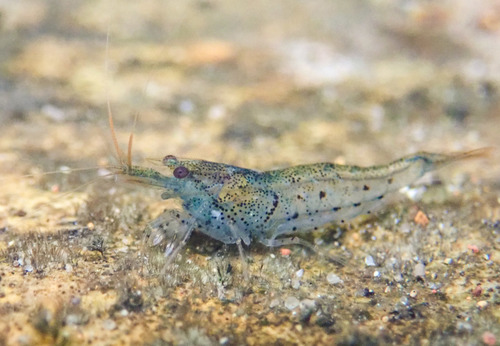
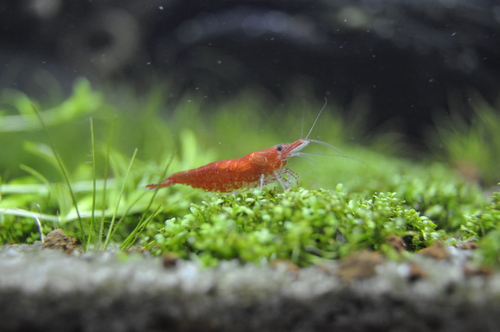
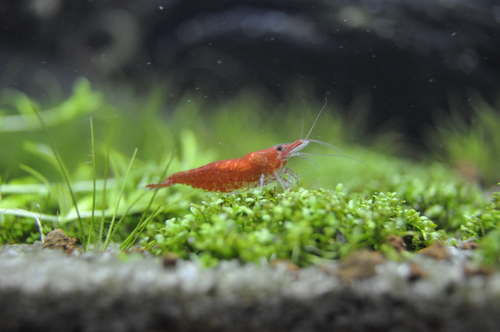
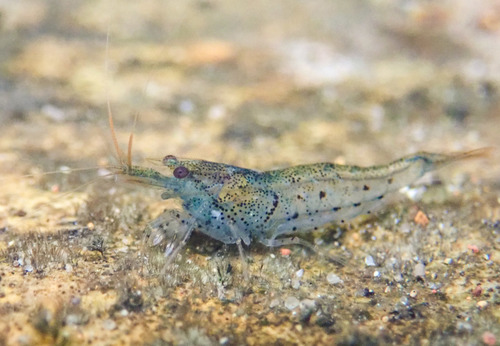
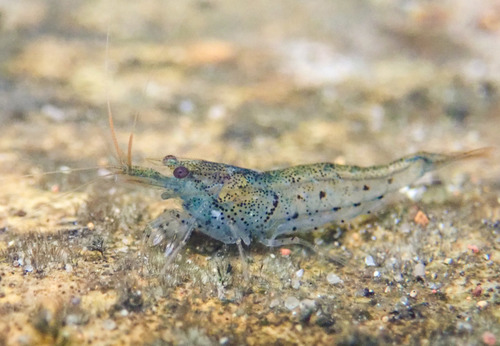
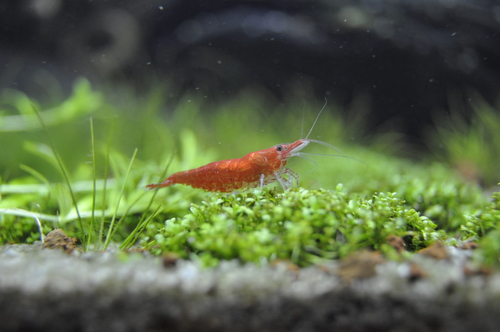
In terms of appearance, Yellow Cherry Shrimp exhibit a vibrant yellow hue, which can vary in intensity based on their health and environmental conditions. These shrimp typically reach a maximum size of 4.0 cm, making them suitable for smaller tanks. They have a transparent body that allows the underlying color to shine through, which is enhanced by their agile movements. Their small size and captivating colors make them a favorite for aquascaping, providing a lively contrast against lush greenery in the aquarium.
Behaviorally, Yellow Cherry Shrimp are peaceful and sociable creatures that thrive in groups. They are known for their curious nature, often exploring their surroundings and grazing on algae, biofilm, and leftover food particles. This omnivorous diet not only aids in keeping the tank clean but also contributes to the overall health and vibrancy of the shrimp. In their natural habitat, they play a crucial role in the ecosystem, helping to maintain water quality and providing food for larger predators.
Yellow Cherry Shrimp prefer well-planted tanks with plenty of hiding spots, such as rocks, driftwood, and dense vegetation. Their environmental adaptability includes a tolerance for varying water conditions, making them an excellent choice for both novice and experienced aquarists. With proper care, these shrimp can live for 1.5 to 2 years, bringing joy and beauty to any freshwater setup.
In terms of appearance, Yellow Cherry Shrimp exhibit a vibrant yellow hue, which can vary in intensity based on their health and environmental conditions. These shrimp typically reach a maximum size of 4.0 cm, making them suitable for smaller tanks. They have a transparent body that allows the underlying color to shine through, which is enhanced by their agile movements. Their small size and captivating colors make them a favorite for aquascaping, providing a lively contrast against lush greenery in the aquarium.
Behaviorally, Yellow Cherry Shrimp are peaceful and sociable creatures that thrive in groups. They are known for their curious nature, often exploring their surroundings and grazing on algae, biofilm, and leftover food particles. This omnivorous diet not only aids in keeping the tank clean but also contributes to the overall health and vibrancy of the shrimp. In their natural habitat, they play a crucial role in the ecosystem, helping to maintain water quality and providing food for larger predators.
Yellow Cherry Shrimp prefer well-planted tanks with plenty of hiding spots, such as rocks, driftwood, and dense vegetation. Their environmental adaptability includes a tolerance for varying water conditions, making them an excellent choice for both novice and experienced aquarists. With proper care, these shrimp can live for 1.5 to 2 years, bringing joy and beauty to any freshwater setup.
To ensure the successful keeping of Yellow Cherry Shrimp, maintain water parameters within the ranges of 20-26°C temperature, a pH of 6.5 to 8.0, and soft to moderately hard water. Regular water changes and good filtration will help maintain water quality, which is essential for their health. The tank should be cycled properly before introducing the shrimp, as they are sensitive to ammonia and nitrite levels.
Feeding Yellow Cherry Shrimp is straightforward, as they are omnivores and will consume a wide range of foods. Offer high-quality shrimp pellets, algae wafers, blanched vegetables, and biofilm to ensure they receive a balanced diet. It's best to feed them small amounts several times a week rather than overfeeding to prevent water quality issues.
Compatibility is key; Yellow Cherry Shrimp do well in community tanks with non-aggressive species. Avoid keeping them with larger fish that may see them as a snack. When introducing these shrimp to a new tank, acclimate them slowly to reduce stress using the drip acclimation method. Quarantine new arrivals for at least two weeks to prevent the introduction of diseases to your main aquarium.
Feeding Yellow Cherry Shrimp is straightforward, as they are omnivores and will consume a wide range of foods. Offer high-quality shrimp pellets, algae wafers, blanched vegetables, and biofilm to ensure they receive a balanced diet. It's best to feed them small amounts several times a week rather than overfeeding to prevent water quality issues.
Compatibility is key; Yellow Cherry Shrimp do well in community tanks with non-aggressive species. Avoid keeping them with larger fish that may see them as a snack. When introducing these shrimp to a new tank, acclimate them slowly to reduce stress using the drip acclimation method. Quarantine new arrivals for at least two weeks to prevent the introduction of diseases to your main aquarium.
Yellow Cherry Shrimp are well-suited for shipping, requiring careful packing to ensure their safety during transit. It is recommended to maintain a packing density of about 10-15 shrimp per liter, with adequate oxygen supply and insulation to manage temperature fluctuations. Ideal shipping temperatures should be between 20-24°C to ensure their vitality upon arrival. This species is not listed under CITES, allowing for unrestricted international trade.
Species Parameters
Max Adult Size
4.0 cm
Origin
Southeast Asia
Diet
omnivore
Temp Min
20.0 °C
Temp Max
26.0 °C
pH Min
6.50
pH Max
8.00
Min Tank
20 L