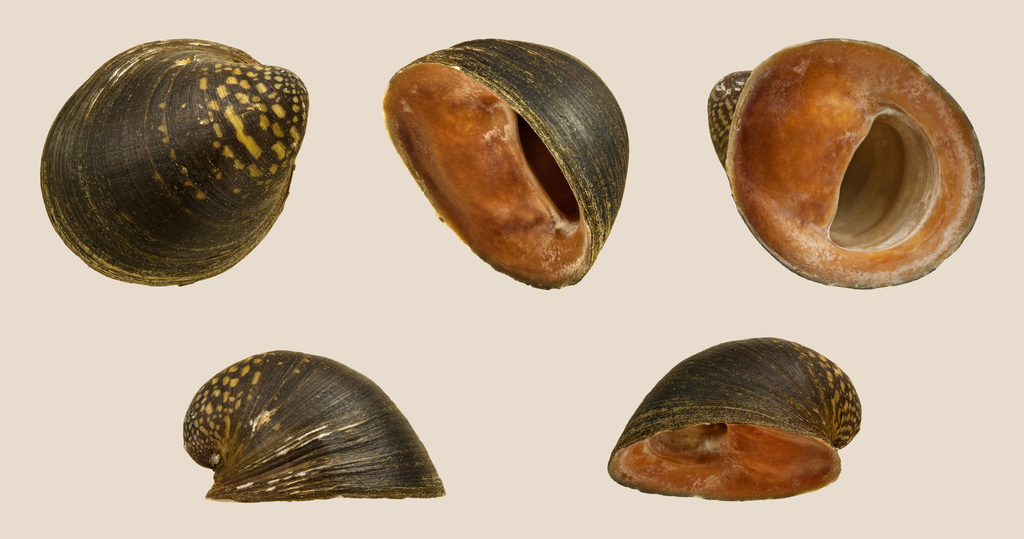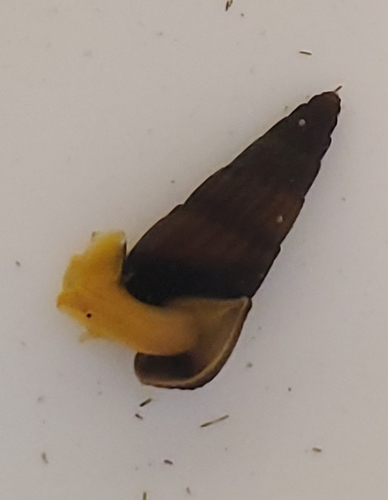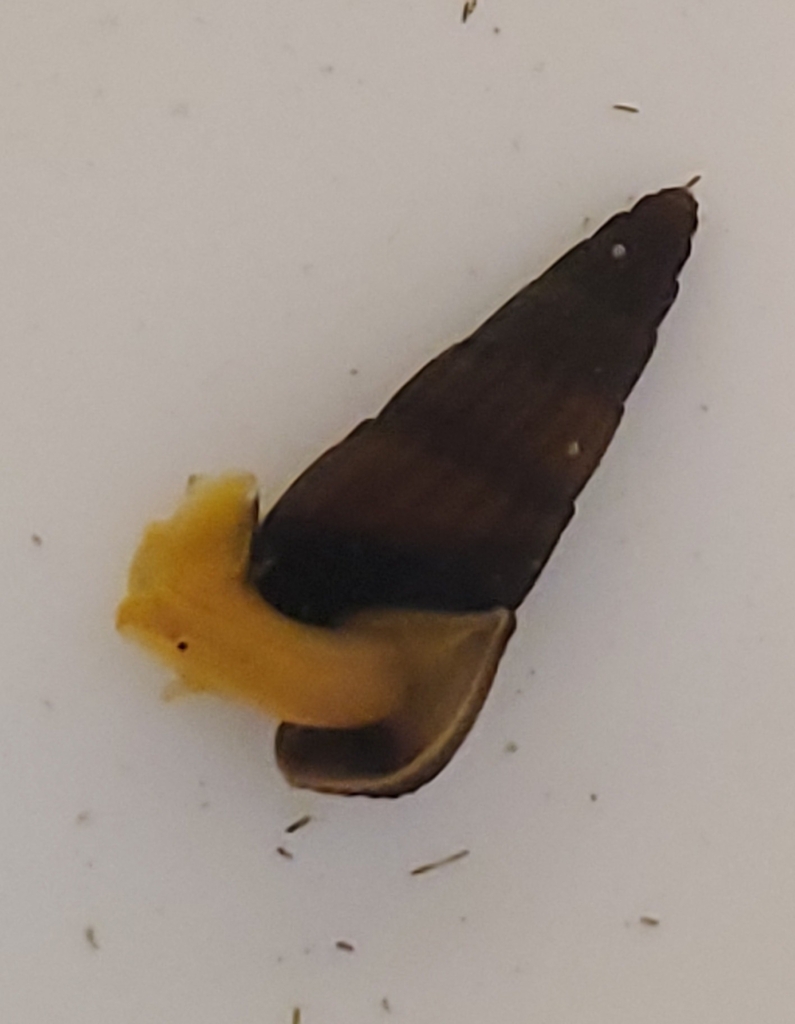
Fruit Snail
Neritina juttingae
In Stock
Common stock
Wild Caught
Moderate care
Not Reef Safe
SKU: 01-D-01-042-03
Discover the unique Fruit Snail, a colorful addition to freshwater aquariums.
Pricing for Verified Importers
Log in to see wholesale prices and order.
Export Size
up to 3.0 cm
Origin
Southeast Asia
Temperature
24.0–28.0°C
Min. Tank Size
20 L
pH
7.00–8.00
Diet
herbivore
Neritina juttingae, commonly known as the Fruit Snail, is a captivating freshwater snail native to the tropical regions of Southeast Asia, particularly Bali, Indonesia. This striking species is a member of the Neritidae family, known for their vibrant colors and distinctive shell patterns. The Fruit Snail's shell typically features a combination of yellow, green, and black hues, making it a visually appealing choice for aquarists. With its unique appearance and active nature, it adds both beauty and interest to any freshwater setup.
In terms of behavior, the Fruit Snail is a herbivore that primarily feeds on algae and detritus. It is known for its interesting grazing patterns, often seen climbing on aquarium glass or decor while foraging for food. These snails play an essential role in maintaining a healthy aquarium environment by helping to control algae growth. They thrive in well-planted tanks, where they can find ample food sources and hiding spots.
Fruit Snails prefer warm, freshwater habitats with slow to moderate water flow. In the wild, they inhabit rivers and streams with plenty of vegetation. They are known to be quite adaptable, tolerating a range of water conditions, which makes them suitable for various aquarium setups. In a home aquarium, they can coexist peacefully with other peaceful species, but they may be vulnerable to predation by larger fish.
Overall, the Fruit Snail is not only an attractive addition to aquariums but also contributes to the ecosystem by keeping algae levels in check and providing a unique visual element that captivates both novice and experienced aquarists alike.
In terms of behavior, the Fruit Snail is a herbivore that primarily feeds on algae and detritus. It is known for its interesting grazing patterns, often seen climbing on aquarium glass or decor while foraging for food. These snails play an essential role in maintaining a healthy aquarium environment by helping to control algae growth. They thrive in well-planted tanks, where they can find ample food sources and hiding spots.
Fruit Snails prefer warm, freshwater habitats with slow to moderate water flow. In the wild, they inhabit rivers and streams with plenty of vegetation. They are known to be quite adaptable, tolerating a range of water conditions, which makes them suitable for various aquarium setups. In a home aquarium, they can coexist peacefully with other peaceful species, but they may be vulnerable to predation by larger fish.
Overall, the Fruit Snail is not only an attractive addition to aquariums but also contributes to the ecosystem by keeping algae levels in check and providing a unique visual element that captivates both novice and experienced aquarists alike.
To ensure the health and well-being of Neritina juttingae, it is crucial to replicate their natural environment as closely as possible. The ideal water parameters for these snails include a temperature range of 24-28°C, a pH level between 7.0 and 8.0, and soft to moderately hard water. Regular water changes and good filtration will help maintain water quality and stability.
Feeding the Fruit Snail is relatively straightforward, as they are herbivores that primarily consume algae and detritus. Additionally, providing blanched vegetables such as zucchini or spinach can supplement their diet and keep them healthy. They will also benefit from calcium supplements to support shell health.
When introducing Fruit Snails to an aquarium, it is essential to acclimate them slowly to prevent shock. This can be achieved by floating the bag in the tank for about 15-20 minutes and gradually mixing tank water into the bag before releasing them. Quarantine is recommended for new imports to prevent the introduction of diseases into your established tanks. During this period, monitor their health and ensure they are free from any pests or parasites.
Compatibility is generally good, as Fruit Snails are peaceful and can be housed with a variety of non-aggressive fish. However, it is advisable to avoid keeping them with larger, predatory species that may view them as food. Providing plenty of hiding spots will help ensure the snails feel secure in their environment.
Feeding the Fruit Snail is relatively straightforward, as they are herbivores that primarily consume algae and detritus. Additionally, providing blanched vegetables such as zucchini or spinach can supplement their diet and keep them healthy. They will also benefit from calcium supplements to support shell health.
When introducing Fruit Snails to an aquarium, it is essential to acclimate them slowly to prevent shock. This can be achieved by floating the bag in the tank for about 15-20 minutes and gradually mixing tank water into the bag before releasing them. Quarantine is recommended for new imports to prevent the introduction of diseases into your established tanks. During this period, monitor their health and ensure they are free from any pests or parasites.
Compatibility is generally good, as Fruit Snails are peaceful and can be housed with a variety of non-aggressive fish. However, it is advisable to avoid keeping them with larger, predatory species that may view them as food. Providing plenty of hiding spots will help ensure the snails feel secure in their environment.
Fruit Snails are suitable for shipping, provided they are packed securely in moisture-retaining materials to prevent desiccation. A packing density of 1-2 snails per liter is recommended to allow for proper aeration during transit. They are sensitive to extreme temperature fluctuations, so maintaining a consistent temperature between 22-26°C during shipping is crucial. Neritina juttingae is not listed under CITES, making it easier to export without additional documentation.
Species Parameters
Max Adult Size
3.0 cm
Origin
Southeast Asia
Diet
herbivore
Temp Min
24.0 °C
Temp Max
28.0 °C
pH Min
7.00
pH Max
8.00
Min Tank
20 L