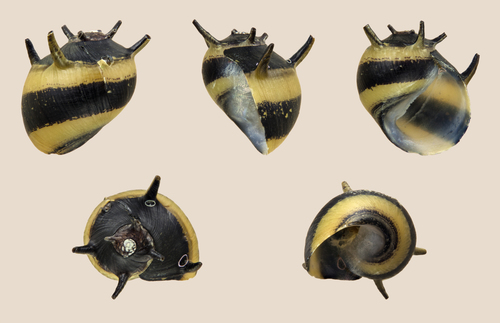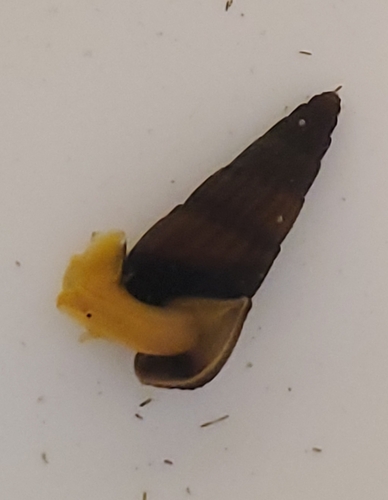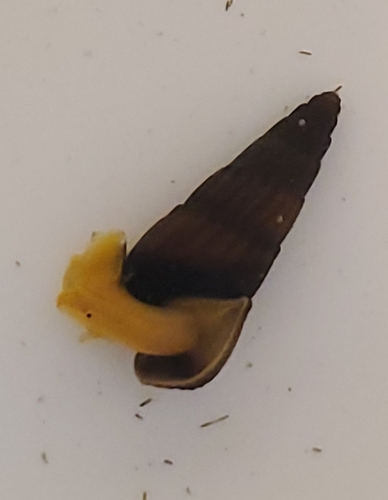
Mixed Poso Rabbit Snail (mixed of 4-6 different kinds)
Tylomelania towutensis
In Stock
Common stock
Wild Caught
Moderate care
Not Reef Safe
SKU: 01-D-01-055-04
Discover the beauty of the Mixed Poso Rabbit Snail, a unique aquatic gem from Indonesia.
Pricing for Verified Importers
Log in to see wholesale prices and order.
Export Size
up to 6.0 cm
Origin
Southeast Asia
Temperature
24.0–28.0°C
Min. Tank Size
40 L
pH
7.00–8.00
Diet
herbivore
The Mixed Poso Rabbit Snail, scientifically known as Tylomelania towutensis, is a captivating freshwater snail native to the Poso Lake region in Indonesia. This species is known for its distinctively spiraled shell, which can display a variety of colors and patterns, making each snail a unique addition to any aquarium. With a size that typically ranges from 4 to 6 cm, these snails are not only visually appealing but also contribute to the ecological balance of their habitats by grazing on algae and decaying organic matter.
Natural history reveals that Tylomelania towutensis thrives in freshwater environments characterized by clear, slow-moving waters rich in organic material. They prefer substrates that allow for burrowing, typically found among the lush aquatic vegetation that provides both shelter and food. The snails are known for their calm demeanor and can often be seen grazing on algae, contributing to the health of their ecosystem. Their unique reproductive method involves laying eggs, which hatch into miniature versions of the adults, ensuring a steady population in their native habitats.
Behaviorally, these snails exhibit a slow-paced lifestyle, often found moving leisurely across the substrate in search of food. They are primarily herbivorous, feeding on biofilm, algae, and plant matter, which makes them a beneficial addition to community tanks. Their peaceful nature allows them to coexist with various freshwater fish species, making them ideal for community aquariums.
In terms of appearance, the Mixed Poso Rabbit Snail features a robust, spiral shell that can vary in color from earthy browns to vibrant yellows and greens. This diversity in coloration not only enhances their aesthetic appeal but also makes them a popular choice among aquarists looking to add unique species to their collections.
Natural history reveals that Tylomelania towutensis thrives in freshwater environments characterized by clear, slow-moving waters rich in organic material. They prefer substrates that allow for burrowing, typically found among the lush aquatic vegetation that provides both shelter and food. The snails are known for their calm demeanor and can often be seen grazing on algae, contributing to the health of their ecosystem. Their unique reproductive method involves laying eggs, which hatch into miniature versions of the adults, ensuring a steady population in their native habitats.
Behaviorally, these snails exhibit a slow-paced lifestyle, often found moving leisurely across the substrate in search of food. They are primarily herbivorous, feeding on biofilm, algae, and plant matter, which makes them a beneficial addition to community tanks. Their peaceful nature allows them to coexist with various freshwater fish species, making them ideal for community aquariums.
In terms of appearance, the Mixed Poso Rabbit Snail features a robust, spiral shell that can vary in color from earthy browns to vibrant yellows and greens. This diversity in coloration not only enhances their aesthetic appeal but also makes them a popular choice among aquarists looking to add unique species to their collections.
When caring for Mixed Poso Rabbit Snails, maintaining optimal water parameters is crucial for their health. The ideal temperature range is between 24°C to 28°C, with a pH level between 7.0 and 8.0. These snails prefer soft to moderately hard water, which mimics their natural habitat. It's recommended to provide them with a minimum tank size of 40 liters to ensure they have ample space to roam and graze.
Feeding these snails is relatively straightforward; they thrive on a diet rich in plant matter. High-quality algae wafers, blanched vegetables, and specially formulated snail food will keep them healthy and active. It's important to monitor their feeding habits to prevent overfeeding, which can lead to poor water quality. Compatibility is favorable with most peaceful fish species, but they should be kept away from aggressive tank mates that might nip at their soft bodies.
Acclimation is essential when introducing these snails into a new aquarium. Gradually acclimate them to the new water conditions over several hours using a drip method to reduce stress. Quarantine new arrivals for at least two weeks to prevent the introduction of diseases into your established aquarium. Regular water changes and a stable environment will help maintain their health over time.
Feeding these snails is relatively straightforward; they thrive on a diet rich in plant matter. High-quality algae wafers, blanched vegetables, and specially formulated snail food will keep them healthy and active. It's important to monitor their feeding habits to prevent overfeeding, which can lead to poor water quality. Compatibility is favorable with most peaceful fish species, but they should be kept away from aggressive tank mates that might nip at their soft bodies.
Acclimation is essential when introducing these snails into a new aquarium. Gradually acclimate them to the new water conditions over several hours using a drip method to reduce stress. Quarantine new arrivals for at least two weeks to prevent the introduction of diseases into your established aquarium. Regular water changes and a stable environment will help maintain their health over time.
Mixed Poso Rabbit Snails are suitable for shipping due to their hardy nature. They should be packaged with care, using breathable bags and appropriate cushioning to prevent damage during transit. Maintain a temperature range of 24°C to 26°C during shipping to minimize stress. These snails are not listed under CITES, making them easier to export without additional regulatory concerns.
Species Parameters
Max Adult Size
6.0 cm
Origin
Southeast Asia
Diet
herbivore
Temp Min
24.0 °C
Temp Max
28.0 °C
pH Min
7.00
pH Max
8.00
Min Tank
40 L