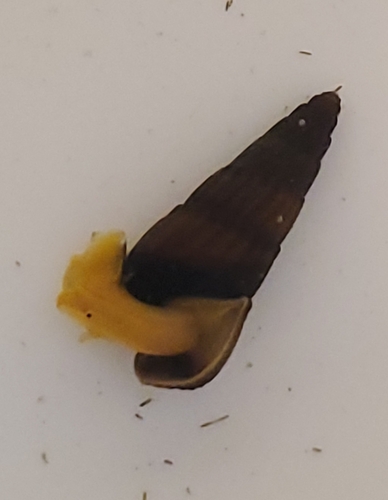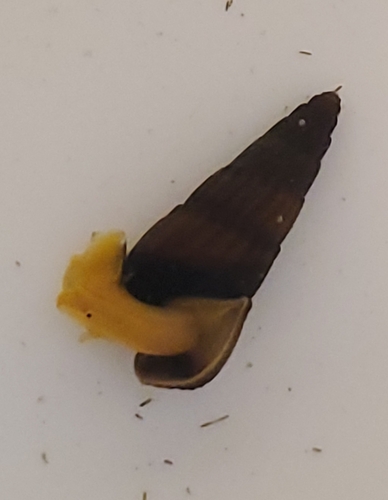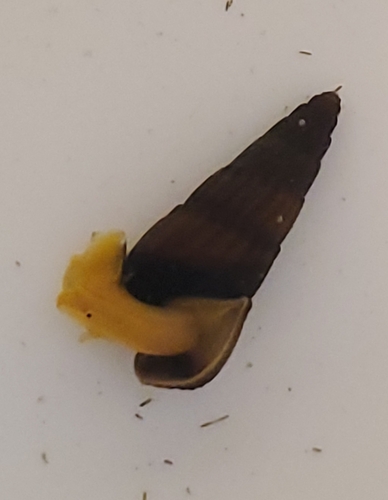
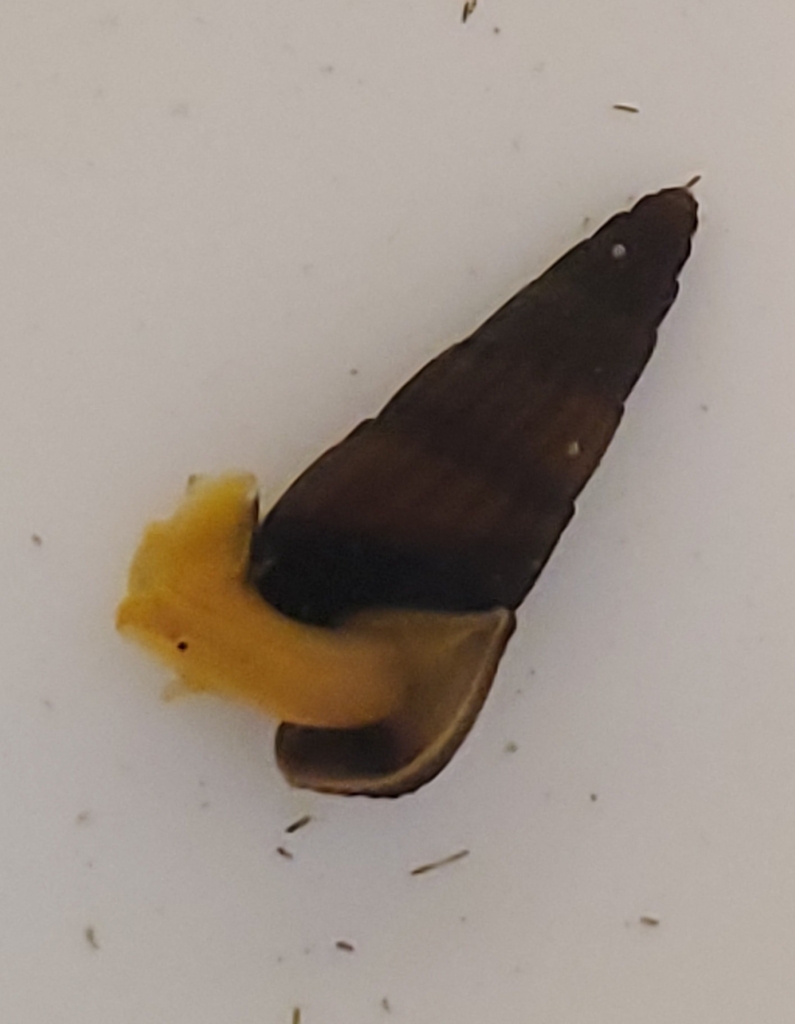
Orange Poso Rabbit Snail
Tylomelania zemis
In Stock
Common stock
Wild Caught
Moderate care
Not Reef Safe
SKU: 01-D-01-004-04
The Orange Poso Rabbit Snail is a stunning freshwater invertebrate native to Indonesia, prized for its unique appearance.
Pricing for Verified Importers
Log in to see wholesale prices and order.
Export Size
up to 5.0 cm
Origin
Southeast Asia
Temperature
24.0–28.0°C
Min. Tank Size
40 L
pH
7.00–8.00
Diet
herbivore
The Orange Poso Rabbit Snail (Tylomelania zemis) is a captivating freshwater invertebrate hailing from the Poso Lake region in Central Sulawesi, Indonesia. This species is notable for its vibrant orange coloration and distinctive spiral shell, which can reach a maximum size of up to 5 cm. The shell's texture is smooth, with a glossy finish that reflects light beautifully, making it an attractive addition to any aquarium. The snail's body is equally striking, featuring a soft and slightly translucent body that contrasts elegantly with its shell.
In terms of behavior, the Orange Poso Rabbit Snail is primarily herbivorous, feeding on biofilm, algae, and decaying plant matter in its natural habitat. This gentle creature is often seen grazing on surfaces in the aquarium, helping to maintain a clean environment. Socially, these snails are relatively peaceful and can be kept in community tanks with other non-aggressive species, making them an excellent choice for both novice and experienced aquarists.
Their natural habitat consists of freshwater lakes and streams, where they inhabit areas with plenty of vegetation and substrates such as sand and fine gravel. The Poso Lake ecosystem is characterized by its unique biodiversity, which includes various endemic species. The Orange Poso Rabbit Snail's presence in this environment is crucial, as they contribute to the overall health of the aquatic ecosystem by controlling algae growth and recycling nutrients.
Due to their unique characteristics and ecological role, the Orange Poso Rabbit Snail is becoming increasingly popular among aquarium enthusiasts. Their striking appearance, coupled with their peaceful nature and beneficial habits, makes them a sought-after species for aquarists looking to enhance their tanks with an interesting and beautiful invertebrate.
In terms of behavior, the Orange Poso Rabbit Snail is primarily herbivorous, feeding on biofilm, algae, and decaying plant matter in its natural habitat. This gentle creature is often seen grazing on surfaces in the aquarium, helping to maintain a clean environment. Socially, these snails are relatively peaceful and can be kept in community tanks with other non-aggressive species, making them an excellent choice for both novice and experienced aquarists.
Their natural habitat consists of freshwater lakes and streams, where they inhabit areas with plenty of vegetation and substrates such as sand and fine gravel. The Poso Lake ecosystem is characterized by its unique biodiversity, which includes various endemic species. The Orange Poso Rabbit Snail's presence in this environment is crucial, as they contribute to the overall health of the aquatic ecosystem by controlling algae growth and recycling nutrients.
Due to their unique characteristics and ecological role, the Orange Poso Rabbit Snail is becoming increasingly popular among aquarium enthusiasts. Their striking appearance, coupled with their peaceful nature and beneficial habits, makes them a sought-after species for aquarists looking to enhance their tanks with an interesting and beautiful invertebrate.
To successfully care for the Orange Poso Rabbit Snail, it is essential to maintain optimal water parameters. A temperature range of 24-28°C is ideal for this species, along with a pH level between 7.0 and 8.0. As a freshwater species, they do not require any salinity levels. It is recommended to use a minimum tank size of 40 liters to provide ample space for movement and grazing.
Feeding these snails is relatively straightforward, as they thrive on a diet of algae, spirulina flakes, and blanched vegetables such as zucchini or spinach. Regular feeding will ensure they maintain their vibrant coloration and healthy growth. Compatibility-wise, the Orange Poso Rabbit Snail can coexist with a variety of peaceful fish and invertebrates, but they should be kept away from aggressive species that may harm them.
Acclimation is crucial when introducing these snails to a new tank. It is advisable to use the drip acclimation method to gradually introduce them to the new environment. Quarantine is also recommended for new arrivals to prevent the introduction of diseases into established tanks. By following these guidelines, importers and retailers can ensure the successful integration of the Orange Poso Rabbit Snail into aquariums, providing customers with a unique and vibrant addition to their aquatic displays.
Feeding these snails is relatively straightforward, as they thrive on a diet of algae, spirulina flakes, and blanched vegetables such as zucchini or spinach. Regular feeding will ensure they maintain their vibrant coloration and healthy growth. Compatibility-wise, the Orange Poso Rabbit Snail can coexist with a variety of peaceful fish and invertebrates, but they should be kept away from aggressive species that may harm them.
Acclimation is crucial when introducing these snails to a new tank. It is advisable to use the drip acclimation method to gradually introduce them to the new environment. Quarantine is also recommended for new arrivals to prevent the introduction of diseases into established tanks. By following these guidelines, importers and retailers can ensure the successful integration of the Orange Poso Rabbit Snail into aquariums, providing customers with a unique and vibrant addition to their aquatic displays.
The Orange Poso Rabbit Snail is suitable for shipping, provided that proper care is taken to ensure their well-being during transit. Packing density should be moderate to allow for movement while preventing stress. It is crucial to maintain a stable temperature between 22-26°C during shipping to minimize temperature shock. As of now, there are no specific CITES restrictions regarding this species, making it easier for importers to source and distribute them.
Species Parameters
Max Adult Size
5.0 cm
Origin
Southeast Asia
Diet
herbivore
Temp Min
24.0 °C
Temp Max
28.0 °C
pH Min
7.00
pH Max
8.00
Min Tank
40 L