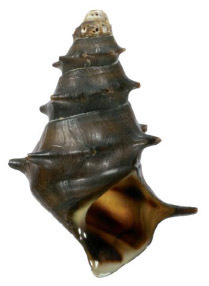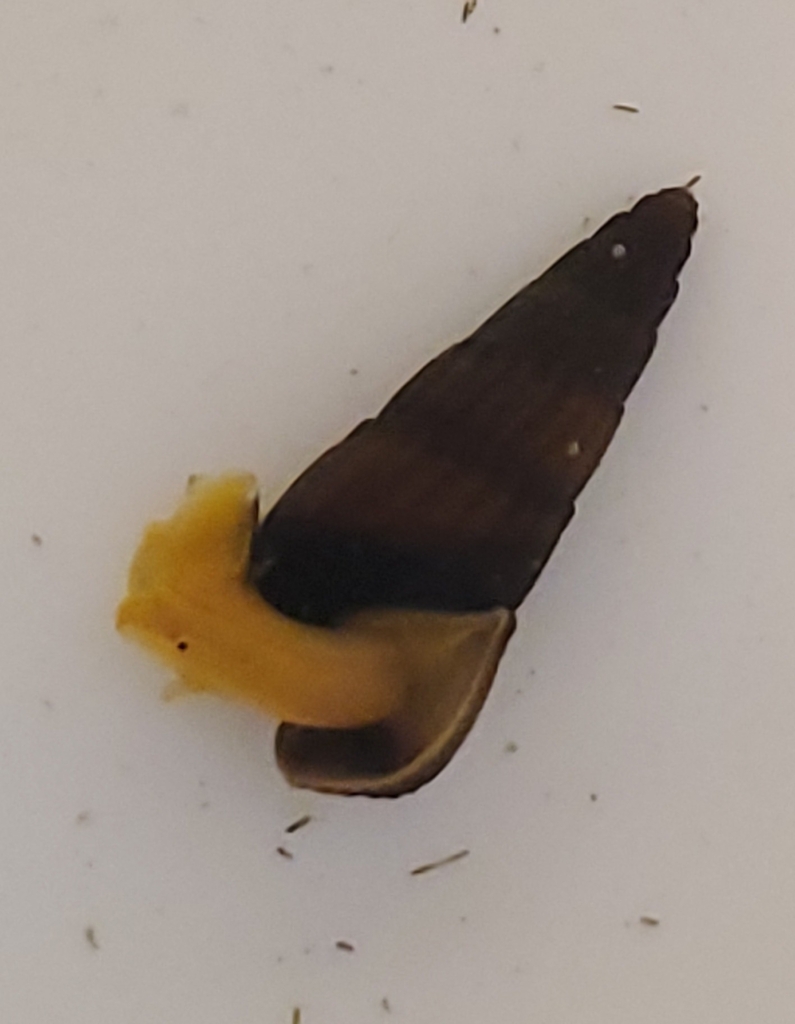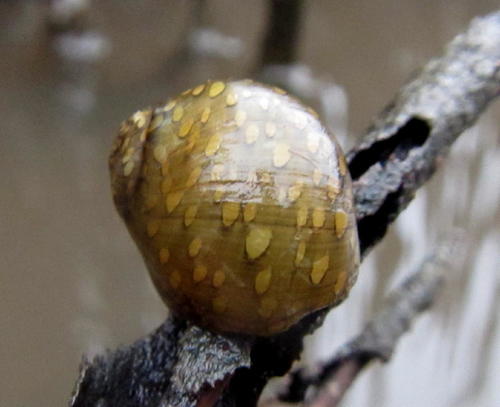
Papua Orange Dotted Black Snail
Neritina natalensis
In Stock
Common stock
Wild Caught
Moderate care
Not Reef Safe
SKU: 01-D-01-077-01
The Papua Orange Dotted Black Snail is a stunning algae-eater with unique coloration.
Pricing for Verified Importers
Log in to see wholesale prices and order.
Export Size
up to 3.0 cm
Origin
Coral Triangle
Temperature
22.0–28.0°C
Min. Tank Size
20 L
pH
7.00–8.50
Diet
herbivore
The Papua Orange Dotted Black Snail (Neritina natalensis) is a captivating freshwater snail known for its striking appearance. This small gastropod features a glossy black shell adorned with vibrant orange dots, making it an attractive addition to any aquarium. Its operculum, or protective lid, allows it to seal itself within its shell, providing an extra layer of protection. Originating from the brackish waters of Papua New Guinea and nearby regions, this species is often sought after for its aesthetic appeal and beneficial role in aquatic ecosystems.
In terms of natural history, the Papua Orange Dotted Black Snail thrives in freshwater environments but requires brackish or saltwater conditions to reproduce. This unique reproductive strategy makes them particularly interesting to aquarists, as they can enhance the visual appeal of a freshwater tank while contributing to the control of algae growth. Their diet primarily consists of algae, detritus, and biofilm, which they graze upon using their specialized radula, a tongue-like structure.
Behaviorally, these snails are generally peaceful and can coexist with many fish and invertebrate species. They are most active during the day and can often be seen climbing on plants, rocks, and the aquarium glass. Their presence not only beautifies the tank but also promotes a healthier environment by helping to keep algae levels in check. The Papua Orange Dotted Black Snail prefers well-planted aquariums where they can find ample food sources and hiding spots.
In terms of habitat, these snails are typically found in slow-moving waters with plenty of vegetation, which provides both food and shelter. While they can adapt to a range of water conditions, maintaining stable parameters is crucial for their well-being, particularly regarding pH and temperature. Aquarists often appreciate their unique lifecycle, as they add an extra dimension to the aquarium's ecosystem while remaining a low-maintenance species.
In terms of natural history, the Papua Orange Dotted Black Snail thrives in freshwater environments but requires brackish or saltwater conditions to reproduce. This unique reproductive strategy makes them particularly interesting to aquarists, as they can enhance the visual appeal of a freshwater tank while contributing to the control of algae growth. Their diet primarily consists of algae, detritus, and biofilm, which they graze upon using their specialized radula, a tongue-like structure.
Behaviorally, these snails are generally peaceful and can coexist with many fish and invertebrate species. They are most active during the day and can often be seen climbing on plants, rocks, and the aquarium glass. Their presence not only beautifies the tank but also promotes a healthier environment by helping to keep algae levels in check. The Papua Orange Dotted Black Snail prefers well-planted aquariums where they can find ample food sources and hiding spots.
In terms of habitat, these snails are typically found in slow-moving waters with plenty of vegetation, which provides both food and shelter. While they can adapt to a range of water conditions, maintaining stable parameters is crucial for their well-being, particularly regarding pH and temperature. Aquarists often appreciate their unique lifecycle, as they add an extra dimension to the aquarium's ecosystem while remaining a low-maintenance species.
For optimal care of the Papua Orange Dotted Black Snail, maintain water parameters within a pH range of 7.0 to 8.5 and a temperature between 22°C and 28°C. While they are primarily freshwater snails, they require occasional exposure to brackish conditions for breeding. Therefore, a tank setup that allows for slight salinity variations may be beneficial. Ensure the tank is well-cycled and stable, as these snails are sensitive to drastic changes in water quality.
Feeding should consist of high-quality algae wafers, blanched vegetables, and natural algae growth within the tank. They are herbivores and thrive on a diet rich in plant matter. Compatibility with other species is generally good, but avoid aggressive fish that may harm them. Acclimation should be done slowly to avoid shock; float the bag for 15-20 minutes and gradually mix tank water into the bag before releasing the snails.
Quarantine new arrivals for 1-2 weeks to monitor for signs of disease or stress, ensuring a healthy introduction to your main tank. Regular tank maintenance, including water changes and substrate cleaning, will help maintain a healthy environment for these snails and enhance their algae-eating capabilities.
Feeding should consist of high-quality algae wafers, blanched vegetables, and natural algae growth within the tank. They are herbivores and thrive on a diet rich in plant matter. Compatibility with other species is generally good, but avoid aggressive fish that may harm them. Acclimation should be done slowly to avoid shock; float the bag for 15-20 minutes and gradually mix tank water into the bag before releasing the snails.
Quarantine new arrivals for 1-2 weeks to monitor for signs of disease or stress, ensuring a healthy introduction to your main tank. Regular tank maintenance, including water changes and substrate cleaning, will help maintain a healthy environment for these snails and enhance their algae-eating capabilities.
The Papua Orange Dotted Black Snail is suitable for shipping, provided that proper care is taken. Packing density should allow for sufficient space to prevent stress during transit. Maintain shipping temperatures between 22°C and 25°C to ensure their well-being. These snails are not listed under CITES, but ensure compliance with local regulations during export.
Species Parameters
Max Adult Size
3.0 cm
Origin
Coral Triangle
Diet
herbivore
Temp Min
22.0 °C
Temp Max
28.0 °C
pH Min
7.00
pH Max
8.50
Min Tank
20 L