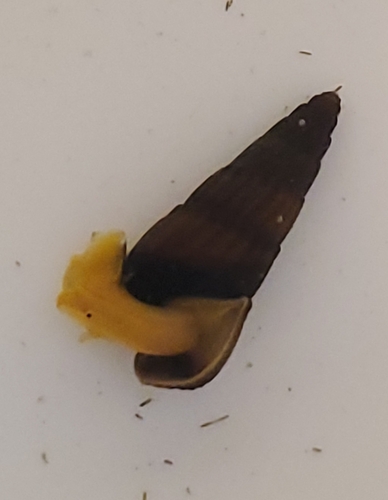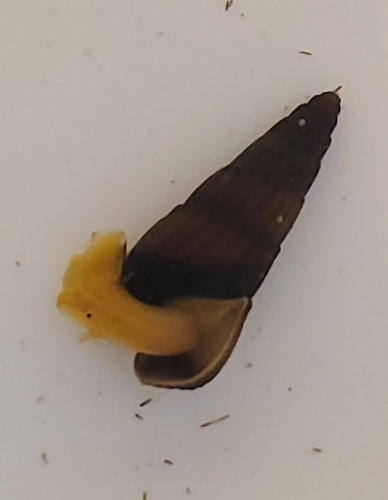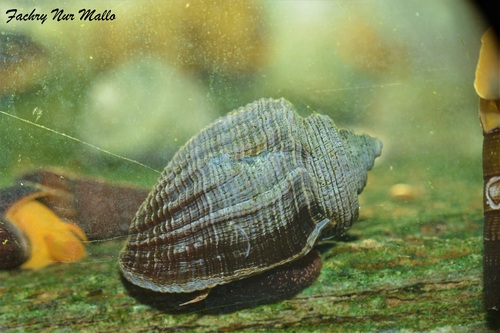
Prambanan Snail
Neritina sp
Out of Stock
Scarce stock
Wild Caught
Moderate care
Not Reef Safe
SKU: 01-D-01-038-20
The Prambanan Snail is a unique freshwater invertebrate known for its striking shell patterns and algae-eating capabilities.
Pricing for Verified Importers
Log in to see wholesale prices and order.
Export Size
up to 2.5 cm
Origin
Southeast Asia
Temperature
22.0–28.0°C
Min. Tank Size
20 L
pH
6.50–7.50
Diet
herbivore
The Prambanan Snail (Neritina sp) is a captivating freshwater invertebrate native to the rivers and streams of Indonesia, particularly around the historical Prambanan temple complex in Central Java. This species is recognized for its beautifully patterned shell, which features a combination of dark and light bands that provide excellent camouflage against rocks and substrates in its natural habitat. Adult snails can reach a maximum size of about 2.5 cm, making them a compact addition to any aquatic setup.
In terms of behavior, Prambanan Snails are primarily herbivorous, feeding on algae and biofilm that grow on surfaces within their environment. This makes them not only visually appealing but also beneficial for maintaining a clean aquarium. They are generally peaceful creatures and can coexist harmoniously with various freshwater fish and invertebrates. When disturbed, they tend to retract into their shells, showcasing their defensive adaptation against potential threats.
The natural habitat of the Prambanan Snail consists of slow-moving waters with ample vegetation and rocky substrates. They thrive in environments where there is a good amount of algae growth, which serves as their primary food source. Additionally, these snails prefer slightly acidic to neutral pH levels, indicative of their native waters. Their ability to adapt to a range of freshwater conditions makes them resilient and suitable for many aquarium setups.
Overall, the Prambanan Snail is an excellent choice for aquarium enthusiasts looking to introduce a unique invertebrate that contributes to tank health and aesthetics. Their distinctive appearance and effective algae-eating habits make them a valuable addition to any freshwater tank.
In terms of behavior, Prambanan Snails are primarily herbivorous, feeding on algae and biofilm that grow on surfaces within their environment. This makes them not only visually appealing but also beneficial for maintaining a clean aquarium. They are generally peaceful creatures and can coexist harmoniously with various freshwater fish and invertebrates. When disturbed, they tend to retract into their shells, showcasing their defensive adaptation against potential threats.
The natural habitat of the Prambanan Snail consists of slow-moving waters with ample vegetation and rocky substrates. They thrive in environments where there is a good amount of algae growth, which serves as their primary food source. Additionally, these snails prefer slightly acidic to neutral pH levels, indicative of their native waters. Their ability to adapt to a range of freshwater conditions makes them resilient and suitable for many aquarium setups.
Overall, the Prambanan Snail is an excellent choice for aquarium enthusiasts looking to introduce a unique invertebrate that contributes to tank health and aesthetics. Their distinctive appearance and effective algae-eating habits make them a valuable addition to any freshwater tank.
When caring for Prambanan Snails, it is essential to maintain stable water parameters. Ideal water temperature ranges from 22°C to 28°C, with a pH level between 6.5 and 7.5. These snails prefer soft to moderately hard water and should be housed in a minimum tank size of 20 liters to provide adequate space for movement and foraging.
Feeding Prambanan Snails is straightforward, as they thrive on a diet primarily consisting of algae. However, for optimal health, it is recommended to supplement their diet with blanched vegetables such as zucchini or spinach, and high-quality algae wafers. Ensure that food is provided in moderation to avoid water quality issues.
In terms of compatibility, Prambanan Snails are peaceful and can be kept with a variety of freshwater fish and invertebrates, though care should be taken with larger or aggressive species that may view them as prey. Acclimating new snails to their environment is crucial; a slow drip acclimation method is advisable to reduce stress and ensure a smooth transition. Quarantine new arrivals for at least two weeks to monitor for any signs of disease before introducing them to the main tank.
Feeding Prambanan Snails is straightforward, as they thrive on a diet primarily consisting of algae. However, for optimal health, it is recommended to supplement their diet with blanched vegetables such as zucchini or spinach, and high-quality algae wafers. Ensure that food is provided in moderation to avoid water quality issues.
In terms of compatibility, Prambanan Snails are peaceful and can be kept with a variety of freshwater fish and invertebrates, though care should be taken with larger or aggressive species that may view them as prey. Acclimating new snails to their environment is crucial; a slow drip acclimation method is advisable to reduce stress and ensure a smooth transition. Quarantine new arrivals for at least two weeks to monitor for any signs of disease before introducing them to the main tank.
Prambanan Snails are well-suited for shipping due to their hardy nature. They should be packed in breathable bags with ample water to minimize stress during transit. A temperature range of 20°C to 26°C should be maintained to ensure their health upon arrival. The species is not listed under CITES, making it easier for importers and wholesalers to handle legally.
Species Parameters
Max Adult Size
2.5 cm
Origin
Southeast Asia
Diet
herbivore
Temp Min
22.0 °C
Temp Max
28.0 °C
pH Min
6.50
pH Max
7.50
Min Tank
20 L