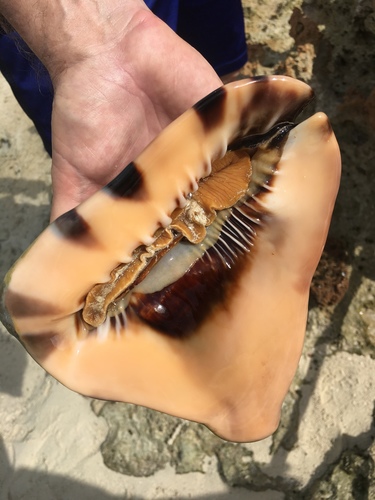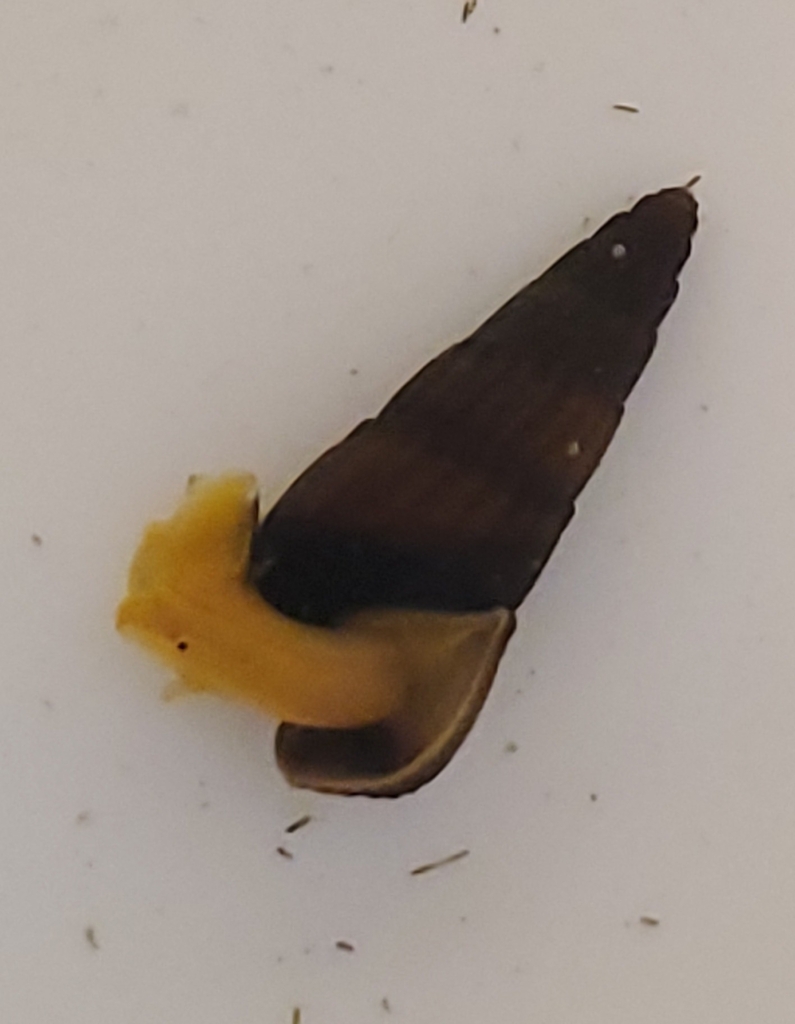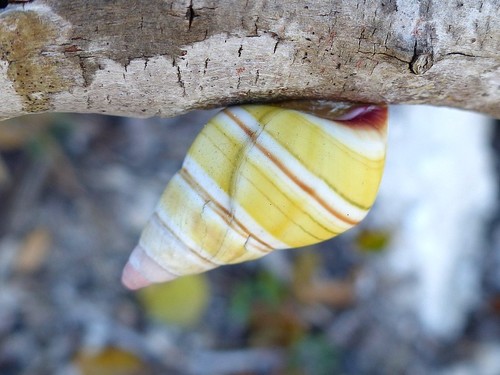

Zebra Horn Snail
Nerritina sp.
Out of Stock
Scarce stock
Wild Caught
Easy care
Not Reef Safe
SKU: 01-D-01-036-01
The Zebra Horn Snail features striking patterns and plays a vital role in freshwater ecosystems.
Pricing for Verified Importers
Log in to see wholesale prices and order.
Export Size
up to 3.0 cm
Origin
Southeast Asia
Temperature
22.0–28.0°C
Min. Tank Size
40 L
pH
7.00–8.00
Diet
herbivore
The Zebra Horn Snail (Nerritina sp.) is a fascinating freshwater invertebrate known for its distinctive striped shell that resembles a zebra's pattern. This species exhibits a conical shape, with a shell that can reach up to 3 cm in height. The alternating dark and light bands not only provide a unique aesthetic appeal but also serve as effective camouflage against predators in their natural habitats. Typically found in slow-moving water bodies, these snails thrive in freshwater environments such as rivers, lakes, and swamps across Southeast Asia, particularly in Indonesia.
Behaviorally, Zebra Horn Snails are peaceful creatures that can coexist harmoniously with various fish species and other aquatic invertebrates. They are primarily herbivorous, feeding on algae and decaying plant matter, which makes them an excellent addition to community aquariums as they help maintain water quality by controlling algae growth. These snails are also known for their fascinating reproductive behavior, wherein they lay egg clusters on submerged surfaces, contributing to the biodiversity of their ecosystems.
In their natural habitat, Zebra Horn Snails are often seen grazing on surfaces, using their radula to scrape algae and detritus. This feeding behavior not only aids in their growth but also helps in nutrient cycling within the ecosystem. Their ability to adapt to varying water conditions and their relatively low care requirements make them suitable for both novice and experienced aquarists, enhancing their popularity in the aquarium trade.
Overall, the Zebra Horn Snail is not just an attractive addition to any aquarium; it plays a crucial role in maintaining ecological balance, making it a valuable species for conservation and aquarium enthusiasts alike.
Behaviorally, Zebra Horn Snails are peaceful creatures that can coexist harmoniously with various fish species and other aquatic invertebrates. They are primarily herbivorous, feeding on algae and decaying plant matter, which makes them an excellent addition to community aquariums as they help maintain water quality by controlling algae growth. These snails are also known for their fascinating reproductive behavior, wherein they lay egg clusters on submerged surfaces, contributing to the biodiversity of their ecosystems.
In their natural habitat, Zebra Horn Snails are often seen grazing on surfaces, using their radula to scrape algae and detritus. This feeding behavior not only aids in their growth but also helps in nutrient cycling within the ecosystem. Their ability to adapt to varying water conditions and their relatively low care requirements make them suitable for both novice and experienced aquarists, enhancing their popularity in the aquarium trade.
Overall, the Zebra Horn Snail is not just an attractive addition to any aquarium; it plays a crucial role in maintaining ecological balance, making it a valuable species for conservation and aquarium enthusiasts alike.
When keeping Zebra Horn Snails, it is crucial to maintain stable water parameters to ensure their health and longevity. They thrive in temperatures ranging from 22°C to 28°C and prefer a pH level between 7.0 and 8.0. The water should be well-filtered and free from pollutants, as these snails are sensitive to poor water quality. A minimum tank size of 40 liters is recommended to provide ample space for grazing and foraging.
Feeding Zebra Horn Snails is straightforward, as they are primarily herbivores. Provide a varied diet that includes algae wafers, blanched vegetables, and spirulina-based foods. Regular feeding encourages healthy growth and vibrant coloration. These snails are compatible with a wide range of freshwater fish and other invertebrates, making them ideal for community tanks. However, avoid keeping them with aggressive species that may harass or eat them.
Acclimation is essential when introducing Zebra Horn Snails to a new environment. Gradually acclimate them to the tank conditions over several hours to minimize stress. Quarantine new arrivals for at least two weeks to prevent the introduction of diseases into established tanks. Regular monitoring of water quality and snail health will ensure a thriving population of these delightful invertebrates.
Feeding Zebra Horn Snails is straightforward, as they are primarily herbivores. Provide a varied diet that includes algae wafers, blanched vegetables, and spirulina-based foods. Regular feeding encourages healthy growth and vibrant coloration. These snails are compatible with a wide range of freshwater fish and other invertebrates, making them ideal for community tanks. However, avoid keeping them with aggressive species that may harass or eat them.
Acclimation is essential when introducing Zebra Horn Snails to a new environment. Gradually acclimate them to the tank conditions over several hours to minimize stress. Quarantine new arrivals for at least two weeks to prevent the introduction of diseases into established tanks. Regular monitoring of water quality and snail health will ensure a thriving population of these delightful invertebrates.
Zebra Horn Snails are well-suited for shipping, provided they are packed securely to prevent damage. Optimal packing density should allow for adequate water movement, and temperatures during transit should be maintained between 22°C and 28°C. These snails are not listed under CITES, making them easier to export. Ensure that all shipments comply with local regulations to ensure a smooth delivery process.
Species Parameters
Max Adult Size
3.0 cm
Origin
Southeast Asia
Diet
herbivore
Temp Min
22.0 °C
Temp Max
28.0 °C
pH Min
7.00
pH Max
8.00
Min Tank
40 L