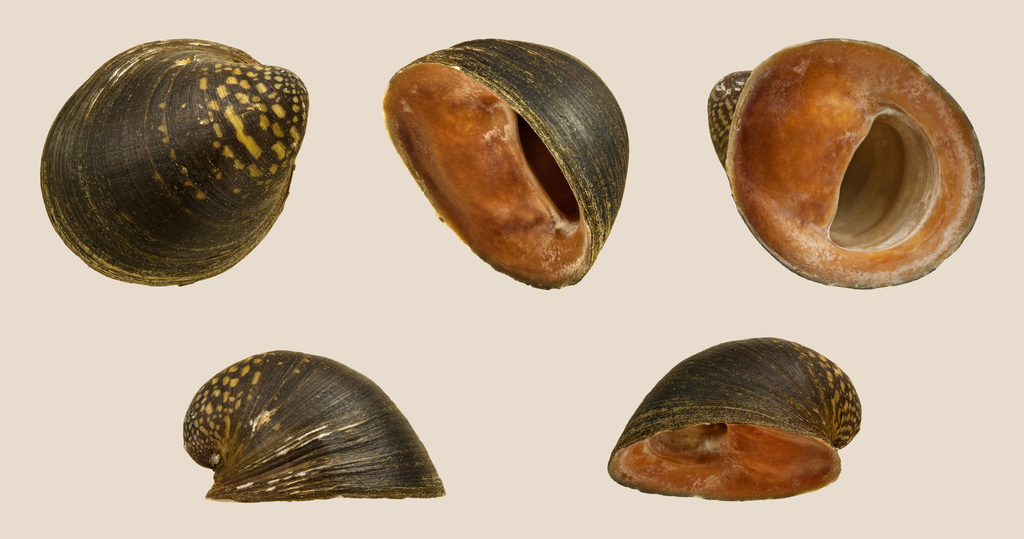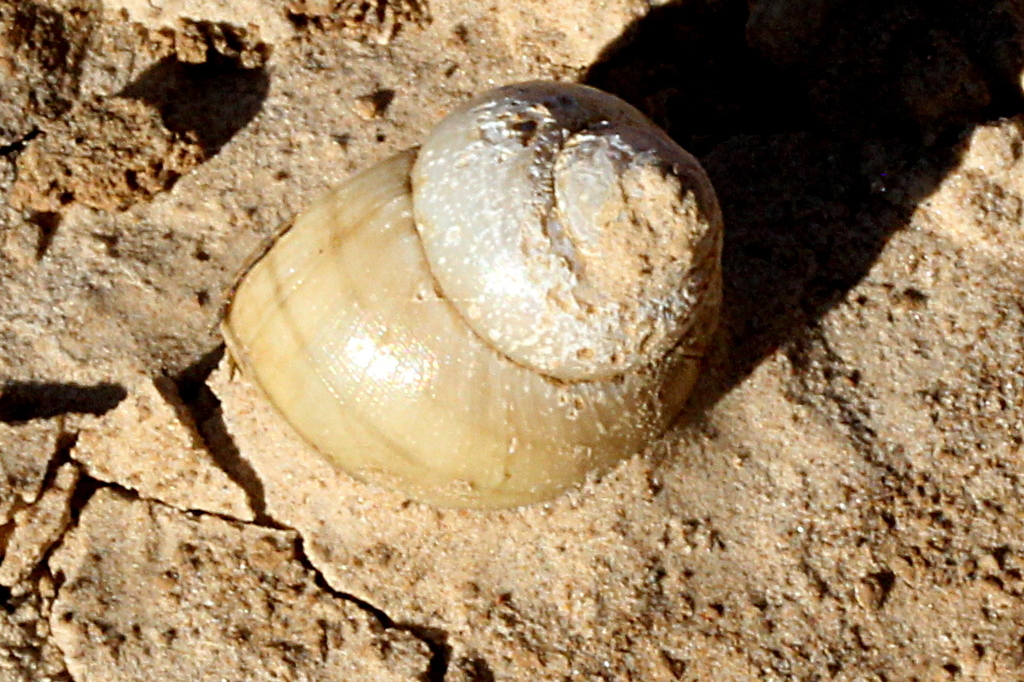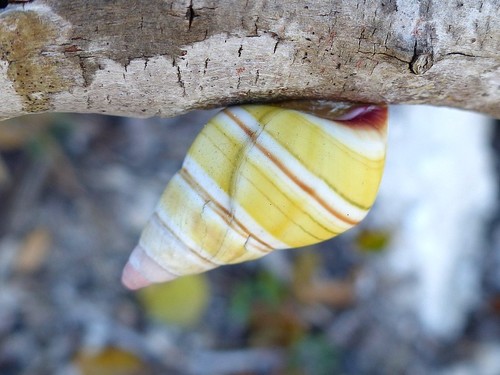
Tree Snail
Nerritina sp.
Out of Stock
Scarce stock
Wild Caught
Moderate care
Not Reef Safe
SKU: 01-D-01-032-01
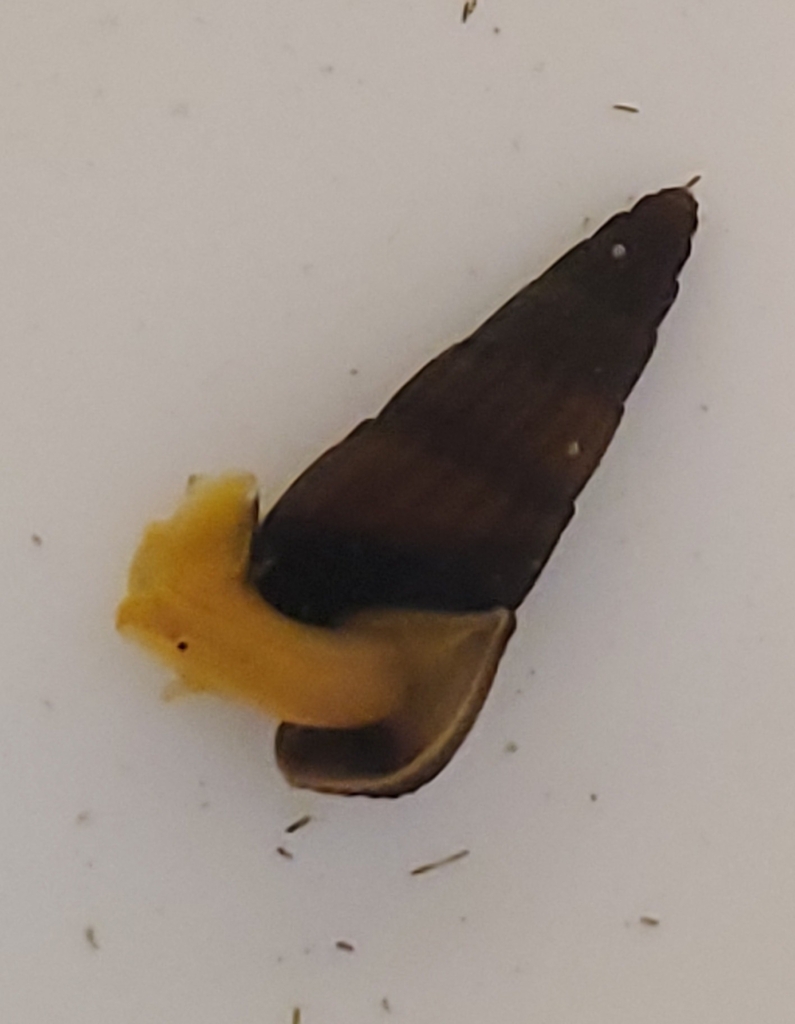
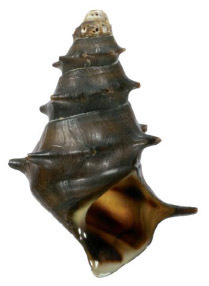
The Tree Snail (Nerritina sp.) captivates with its unique spiral shell and vibrant colors.
Pricing for Verified Importers
Log in to see wholesale prices and order.
Export Size
up to 5.0 cm
Origin
Southeast Asia
Temperature
24.0–28.0°C
Min. Tank Size
20 L
pH
6.50–7.50
Diet
herbivore
The Tree Snail, belonging to the Nerritina genus, is a fascinating freshwater invertebrate known for its strikingly beautiful shell, which often features intricate patterns and vibrant hues. These snails thrive in slow-moving waters, typically found in densely vegetated areas such as swamps, marshes, and the edges of rivers where they can easily camouflage among plants. Their shells serve not only as protection from predators but also as a means of adapting to their environment, enabling them to blend in seamlessly with the foliage.
In terms of behavior, Tree Snails are primarily herbivorous, feeding on algae, detritus, and decaying plant matter. They exhibit a slow-moving lifestyle and are often seen grazing on surfaces, using their radula to scrape food from substrates. This method of feeding helps maintain the ecological balance in their habitat, as they contribute to the breakdown of organic matter. Tree Snails are also known for their ability to reproduce throughout the year, laying eggs in moist areas, which subsequently hatch into miniature versions of their parents.
The habitat of the Tree Snail is crucial to its survival. These snails prefer warm, tropical conditions and are often associated with freshwater ecosystems across Southeast Asia, particularly in Indonesia. The presence of aquatic vegetation is essential not only for feeding but also for providing shelter from predators. As they are sensitive to pollution and habitat destruction, the conservation of their natural habitats is vital for their continued existence.
Due to their appealing appearance and ecological importance, Tree Snails have gained popularity among aquarium enthusiasts. They serve as both a decorative and functional addition to aquariums, helping to maintain water quality by feeding on algae and detritus. Importers and wholesalers can benefit from the increasing demand for this unique species, making them a valuable addition to any aquatic life collection.
In terms of behavior, Tree Snails are primarily herbivorous, feeding on algae, detritus, and decaying plant matter. They exhibit a slow-moving lifestyle and are often seen grazing on surfaces, using their radula to scrape food from substrates. This method of feeding helps maintain the ecological balance in their habitat, as they contribute to the breakdown of organic matter. Tree Snails are also known for their ability to reproduce throughout the year, laying eggs in moist areas, which subsequently hatch into miniature versions of their parents.
The habitat of the Tree Snail is crucial to its survival. These snails prefer warm, tropical conditions and are often associated with freshwater ecosystems across Southeast Asia, particularly in Indonesia. The presence of aquatic vegetation is essential not only for feeding but also for providing shelter from predators. As they are sensitive to pollution and habitat destruction, the conservation of their natural habitats is vital for their continued existence.
Due to their appealing appearance and ecological importance, Tree Snails have gained popularity among aquarium enthusiasts. They serve as both a decorative and functional addition to aquariums, helping to maintain water quality by feeding on algae and detritus. Importers and wholesalers can benefit from the increasing demand for this unique species, making them a valuable addition to any aquatic life collection.
When caring for Tree Snails, it is essential to maintain stable water parameters to ensure their health and longevity. The ideal temperature range is between 24°C to 28°C, with a pH level between 6.5 and 7.5. As a freshwater species, they do not require salinity control. A minimum tank size of 20 liters is recommended to provide adequate swimming and grazing space. Filtration should be gentle to avoid stressing these snails, and regular water changes are necessary to keep the environment clean.
Feeding Tree Snails is relatively straightforward, as they are primarily herbivorous. They thrive on a diet consisting of algae, blanched vegetables such as spinach and zucchini, and specially formulated snail food. It is advisable to avoid overfeeding, as excess food can pollute the water. Tree Snails are generally peaceful and can be kept with other non-aggressive species, making them suitable for community tanks.
Acclimation is crucial when introducing Tree Snails into a new tank. Gradually acclimate them to the new environment by floating the bag in the tank for about 15-20 minutes and slowly mixing tank water into the bag. Quarantine new arrivals for at least two weeks to monitor for any signs of disease before introducing them into the main aquarium. Regular observation is important to ensure they adapt well and remain healthy.
Feeding Tree Snails is relatively straightforward, as they are primarily herbivorous. They thrive on a diet consisting of algae, blanched vegetables such as spinach and zucchini, and specially formulated snail food. It is advisable to avoid overfeeding, as excess food can pollute the water. Tree Snails are generally peaceful and can be kept with other non-aggressive species, making them suitable for community tanks.
Acclimation is crucial when introducing Tree Snails into a new tank. Gradually acclimate them to the new environment by floating the bag in the tank for about 15-20 minutes and slowly mixing tank water into the bag. Quarantine new arrivals for at least two weeks to monitor for any signs of disease before introducing them into the main aquarium. Regular observation is important to ensure they adapt well and remain healthy.
Tree Snails are suitable for shipping due to their hardy nature. They should be packed with moist substrate and sufficient air circulation to prevent stress during transit. A packing density of 5-10 snails per liter is recommended, depending on the size. They are sensitive to extreme temperatures, so maintaining a temperature range of 20°C to 25°C during shipping is crucial. Currently, there are no CITES restrictions for Nerritina sp., making them easier to export.
Species Parameters
Max Adult Size
5.0 cm
Origin
Southeast Asia
Diet
herbivore
Temp Min
24.0 °C
Temp Max
28.0 °C
pH Min
6.50
pH Max
7.50
Min Tank
20 L