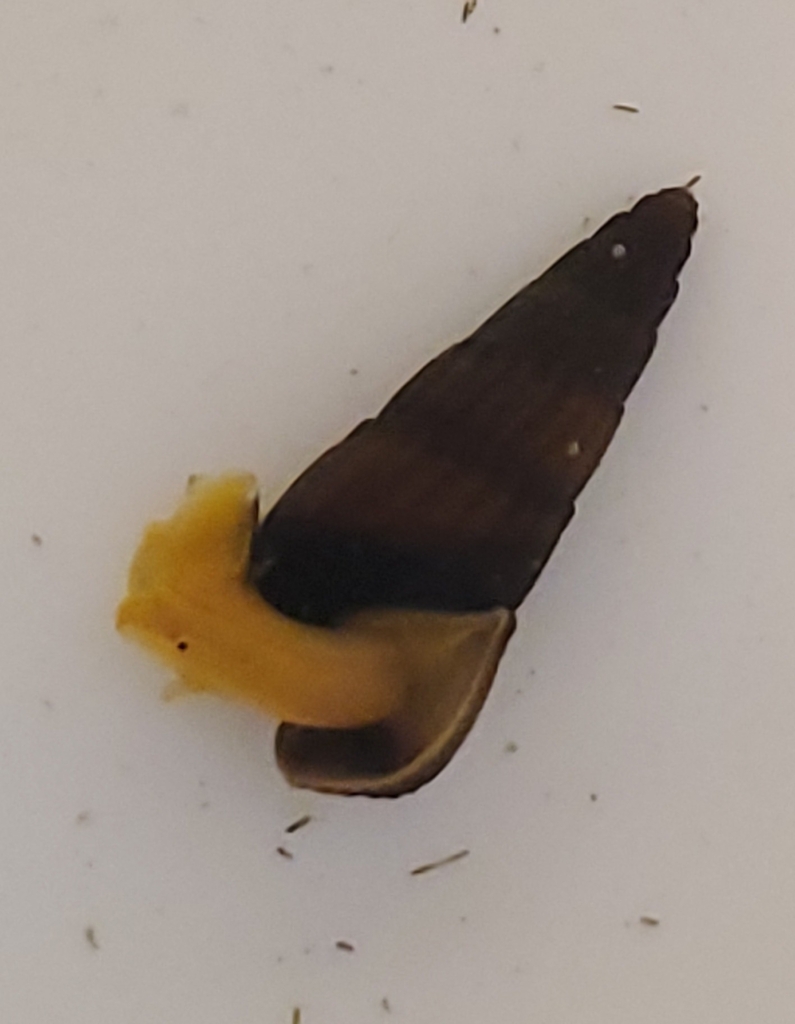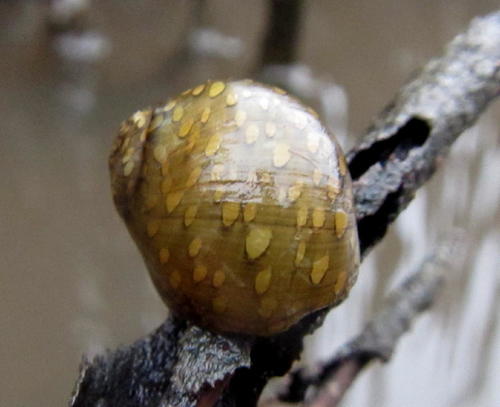
Zebra Snail
Neritina natalensis
In Stock
Common stock
Wild Caught
Easy care
Not Reef Safe
SKU: 01-D-01-037-01
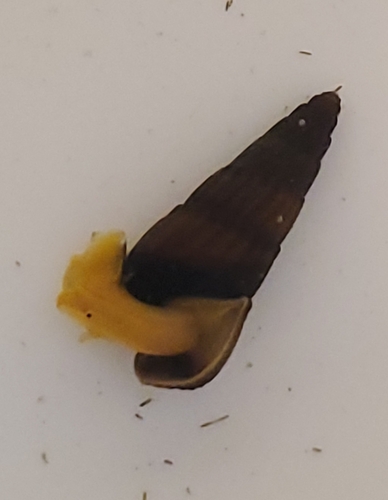
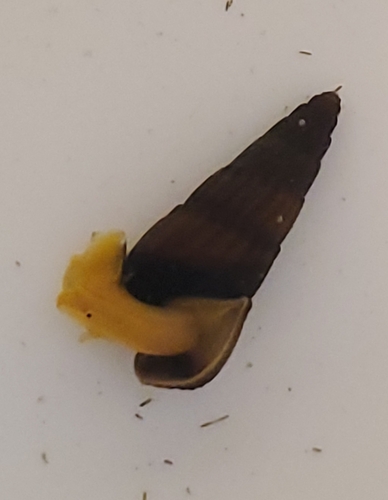
Zebra Snails are captivating freshwater snails known for their algae-eating abilities.
Pricing for Verified Importers
Log in to see wholesale prices and order.
Export Size
up to 2.5 cm
Origin
Southeast Asia
Temperature
22.0–28.0°C
Min. Tank Size
20 L
pH
7.00–8.00
Diet
herbivore
Vittina natalensis, commonly referred to as the Zebra Snail or Spotted Nerite, is a small freshwater gastropod that belongs to the family Neritidae. These snails are characterized by their striking black and yellow striped shells, which not only contribute to their aesthetic appeal but also help them blend into their natural habitats. The species is native to freshwater systems in Africa and can often be found clinging to rocks and submerged vegetation in rivers and streams. Interestingly, while they thrive in freshwater, Zebra Snails require brackish or saltwater conditions to reproduce, making their life cycle unique among freshwater mollusks.
Zebra Snails are relatively small, typically reaching a maximum size of around 2.5 cm. They exhibit a calm and peaceful demeanor, making them suitable for community tanks. Their primary diet consists of algae, biofilm, and detritus, which they graze on, contributing significantly to the maintenance of a clean aquarium environment. This algae-eating behavior not only aids in tank cleanliness but also enhances their popularity among aquarium enthusiasts who seek natural solutions to manage algae growth.
In the wild, these snails are primarily found in slow-moving waters and areas where they can find ample food sources. Their ability to adapt to varying water conditions highlights their resilience. However, the presence of suitable substrates and hiding spots within the aquarium is essential for their well-being. Zebra Snails are also known for their unique reproductive habits; they lay their eggs in brackish water, where the larvae develop before returning to freshwater habitats.
Overall, the Zebra Snail is an attractive and functional addition to any freshwater aquarium, appealing to both novice and experienced aquarists due to their striking appearance and beneficial algae-eating capabilities.
Zebra Snails are relatively small, typically reaching a maximum size of around 2.5 cm. They exhibit a calm and peaceful demeanor, making them suitable for community tanks. Their primary diet consists of algae, biofilm, and detritus, which they graze on, contributing significantly to the maintenance of a clean aquarium environment. This algae-eating behavior not only aids in tank cleanliness but also enhances their popularity among aquarium enthusiasts who seek natural solutions to manage algae growth.
In the wild, these snails are primarily found in slow-moving waters and areas where they can find ample food sources. Their ability to adapt to varying water conditions highlights their resilience. However, the presence of suitable substrates and hiding spots within the aquarium is essential for their well-being. Zebra Snails are also known for their unique reproductive habits; they lay their eggs in brackish water, where the larvae develop before returning to freshwater habitats.
Overall, the Zebra Snail is an attractive and functional addition to any freshwater aquarium, appealing to both novice and experienced aquarists due to their striking appearance and beneficial algae-eating capabilities.
When caring for Zebra Snails, maintaining stable water parameters is crucial. Ideal conditions include a temperature range of 22-28°C, a pH level between 7.0 and 8.0, and moderate water hardness. Although they are freshwater snails, it is essential to provide a tank with a proper filtration system and regular water changes to ensure clean water quality. Feeding them is straightforward, as they thrive on a diet of algae, blanched vegetables, and specialized snail food, which helps in promoting their health and vibrant coloration.
Zebra Snails are generally compatible with most peaceful fish and invertebrates. However, caution should be taken with larger or aggressive species that may view them as food. When introducing them to a new environment, acclimation is vital; slowly introduce them to the tank conditions over several hours to reduce stress. Quarantining new arrivals for at least two weeks is recommended to prevent potential disease transmission to existing tank inhabitants.
Overall, Zebra Snails are low-maintenance and can thrive in community tanks, provided their basic needs are met. Their unique reproductive habits should be noted, as they will need access to brackish water for breeding, which is not typically provided in a standard freshwater aquarium setup.
Zebra Snails are generally compatible with most peaceful fish and invertebrates. However, caution should be taken with larger or aggressive species that may view them as food. When introducing them to a new environment, acclimation is vital; slowly introduce them to the tank conditions over several hours to reduce stress. Quarantining new arrivals for at least two weeks is recommended to prevent potential disease transmission to existing tank inhabitants.
Overall, Zebra Snails are low-maintenance and can thrive in community tanks, provided their basic needs are met. Their unique reproductive habits should be noted, as they will need access to brackish water for breeding, which is not typically provided in a standard freshwater aquarium setup.
Zebra Snails are suitable for shipping due to their hardy nature. They should be packed in breathable bags with sufficient water to maintain moisture without excess water that could lead to stress. A temperature range of 20-25°C during transit is optimal to ensure their health. It is advisable to avoid extreme temperatures, as they can be sensitive to fluctuations. Currently, there are no CITES restrictions on Zebra Snails, making them a compliant choice for export.
Species Parameters
Max Adult Size
2.5 cm
Origin
Southeast Asia
Diet
herbivore
Temp Min
22.0 °C
Temp Max
28.0 °C
pH Min
7.00
pH Max
8.00
Min Tank
20 L