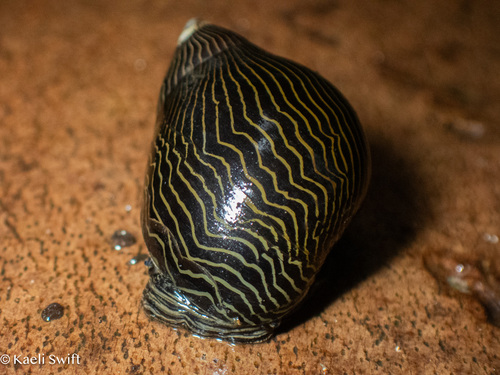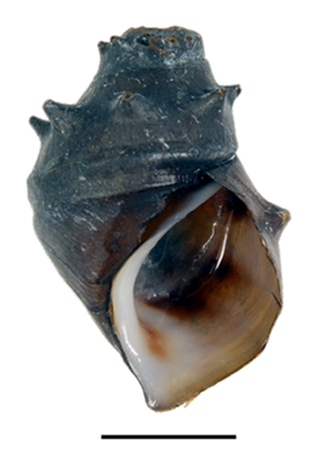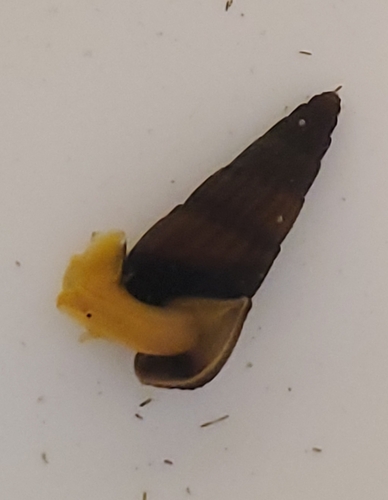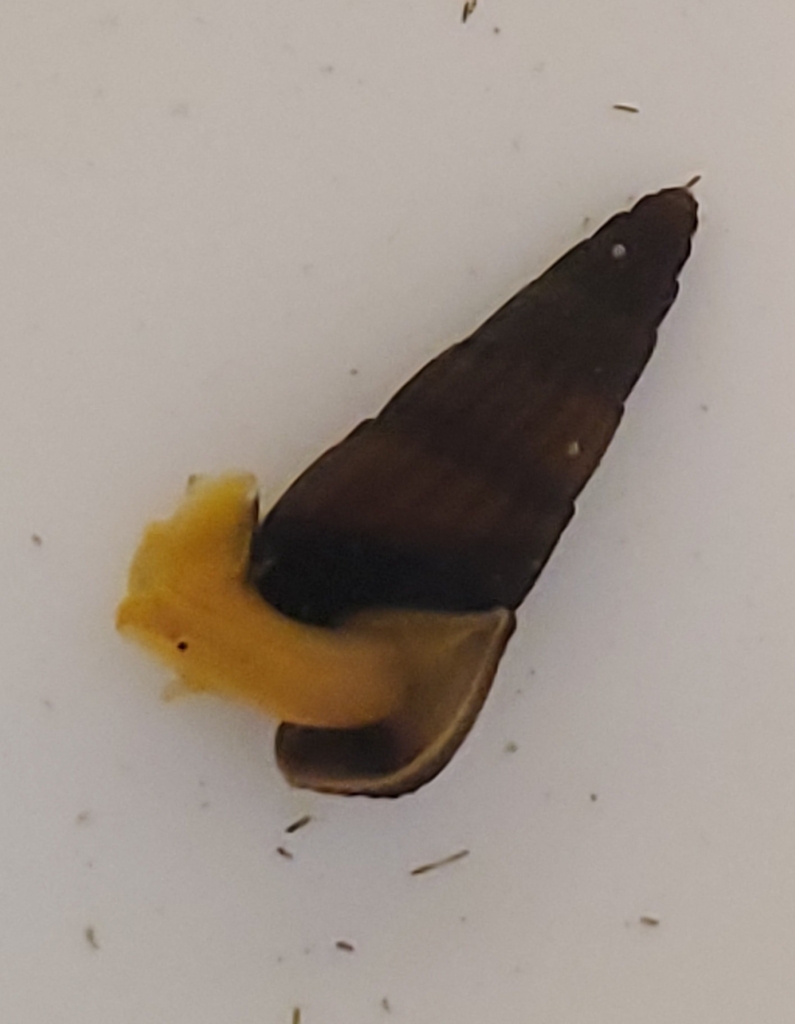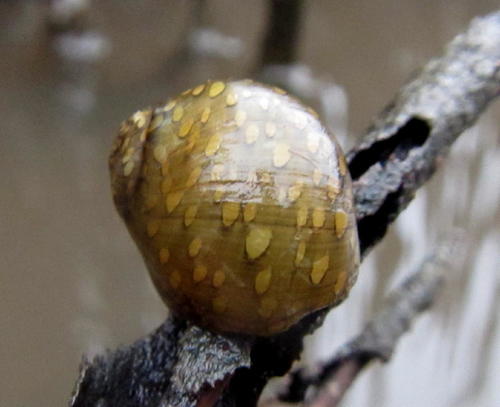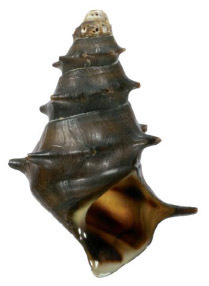
Pagoda Snail
Brotia pagodula
Out of Stock
Scarce stock
Wild Caught
Moderate care
Not Reef Safe
SKU: 01-D-01-049-20
Discover the unique beauty of the Pagoda Snail, a stunning freshwater gastropod.
Pricing for Verified Importers
Log in to see wholesale prices and order.
Export Size
up to 5.0 cm
Origin
Southeast Asia
Temperature
22.0–28.0°C
Min. Tank Size
20 L
pH
6.50–7.50
Diet
herbivore
Brotia pagodula, commonly known as the Pagoda Snail, is a fascinating species of freshwater snail found in the lush waterways of Southeast Asia, particularly in Indonesia. This aquatic gastropod belongs to the family Pachychilidae and is renowned for its striking shell, which features a distinctive pagoda-like shape and intricate patterns. The shell coloration ranges from earthy tones to vibrant shades, making it a popular choice among aquarium enthusiasts and collectors alike.
In terms of natural history, the Pagoda Snail thrives in slow-moving streams, rivers, and ponds, where it plays a vital role in the ecosystem by aiding in the decomposition of organic matter. These snails are primarily herbivorous, grazing on algae and detritus, which contributes to water quality in their habitats. Their operculum allows them to retract into their shell for protection against predators, showcasing their adaptability.
Behaviorally, Pagoda Snails are relatively peaceful creatures, often found grazing on surfaces or resting among aquatic plants. They are not known to be aggressive and can coexist with a variety of other freshwater species, making them a desirable addition to community tanks. In their natural habitat, they are typically seen in groups, promoting social interactions that enhance their well-being.
The habitat of the Pagoda Snail is crucial for their survival, as they prefer slightly acidic to neutral water conditions. They are often associated with dense vegetation, which provides both food sources and shelter from potential threats. The preservation of their natural habitats is essential for their continued existence, as habitat degradation poses a significant risk to their populations.
In terms of natural history, the Pagoda Snail thrives in slow-moving streams, rivers, and ponds, where it plays a vital role in the ecosystem by aiding in the decomposition of organic matter. These snails are primarily herbivorous, grazing on algae and detritus, which contributes to water quality in their habitats. Their operculum allows them to retract into their shell for protection against predators, showcasing their adaptability.
Behaviorally, Pagoda Snails are relatively peaceful creatures, often found grazing on surfaces or resting among aquatic plants. They are not known to be aggressive and can coexist with a variety of other freshwater species, making them a desirable addition to community tanks. In their natural habitat, they are typically seen in groups, promoting social interactions that enhance their well-being.
The habitat of the Pagoda Snail is crucial for their survival, as they prefer slightly acidic to neutral water conditions. They are often associated with dense vegetation, which provides both food sources and shelter from potential threats. The preservation of their natural habitats is essential for their continued existence, as habitat degradation poses a significant risk to their populations.
To ensure the well-being of Pagoda Snails in captivity, maintain water parameters within the ideal range of 22-28°C with a pH between 6.5 and 7.5. These snails thrive in freshwater environments and do not require salinity. A minimum tank size of 20 liters is recommended to provide ample space for grazing and movement.
Feeding Pagoda Snails is straightforward, as they are primarily herbivorous. A diet consisting of high-quality algae wafers, blanched vegetables, and spirulina will keep them healthy. It’s essential to supplement their diet with calcium to support shell health. Compatibility with other freshwater species is excellent, as they are peaceful and can coexist with community fish and invertebrates.
When introducing new Pagoda Snails to a tank, acclimate them slowly to avoid shock. A quarantine period of at least two weeks is recommended to monitor for any signs of illness or parasites, ensuring a healthy addition to your aquarium. Regular water changes and maintenance will help sustain optimal conditions for these snails, contributing to their longevity and vitality in a captive environment.
Feeding Pagoda Snails is straightforward, as they are primarily herbivorous. A diet consisting of high-quality algae wafers, blanched vegetables, and spirulina will keep them healthy. It’s essential to supplement their diet with calcium to support shell health. Compatibility with other freshwater species is excellent, as they are peaceful and can coexist with community fish and invertebrates.
When introducing new Pagoda Snails to a tank, acclimate them slowly to avoid shock. A quarantine period of at least two weeks is recommended to monitor for any signs of illness or parasites, ensuring a healthy addition to your aquarium. Regular water changes and maintenance will help sustain optimal conditions for these snails, contributing to their longevity and vitality in a captive environment.
Pagoda Snails are suitable for shipping and can be packed efficiently to minimize stress during transit. A packing density of 5-10 snails per liter of water is recommended to ensure adequate oxygen levels. They are sensitive to extreme temperature fluctuations, so maintaining a stable temperature between 20-25°C during shipping is crucial. These snails are not listed under CITES, simplifying export regulations.
Species Parameters
Max Adult Size
5.0 cm
Origin
Southeast Asia
Diet
herbivore
Temp Min
22.0 °C
Temp Max
28.0 °C
pH Min
6.50
pH Max
7.50
Min Tank
20 L