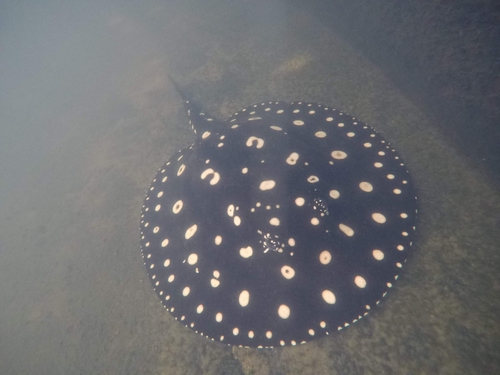
Galaxy Ray (PAIRS)
Potamotrygon leopoldi var
Out of Stock
Scarce stock
Wild Caught
Moderate care
Not Reef Safe
SKU: 01-A-31-010-01
The Galaxy Ray is a stunning freshwater stingray known for its intricate patterns and gentle nature.
Pricing for Verified Importers
Log in to see wholesale prices and order.
Export Size
up to 40.0 cm
Origin
Amazon Basin
Temperature
24.0–28.0°C
Min. Tank Size
200 L
pH
6.50–7.50
Diet
carnivore
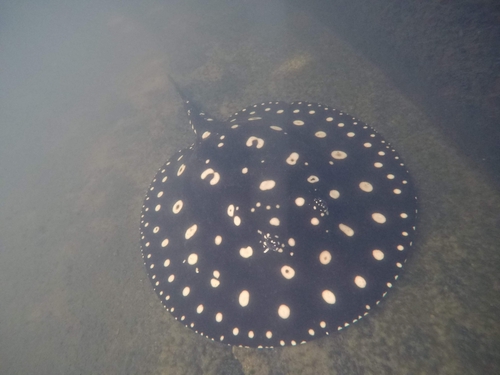
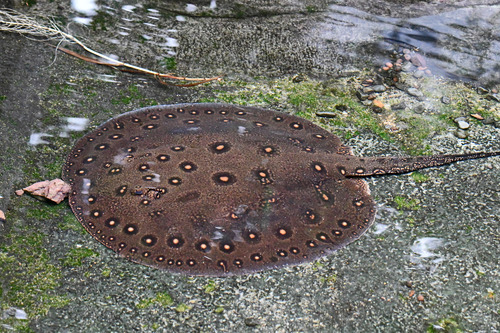
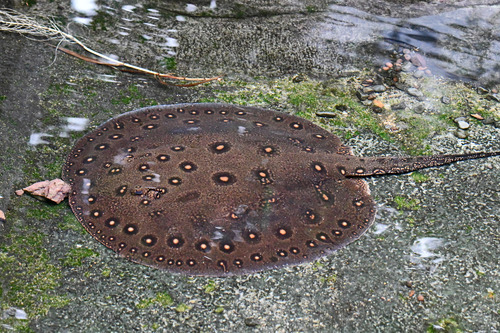
The Galaxy Ray, scientifically known as Potamotrygon leopoldi var, is a captivating species that hails from the Amazon Basin. This freshwater stingray is celebrated for its striking appearance, characterized by a flattened body and a unique pattern of vibrant spots resembling a galaxy, which provides it with excellent camouflage against the riverbed. Adult Galaxy Rays can reach sizes up to 40 cm in diameter, making them an impressive addition to any aquarium. Their elegant movement through the water adds a touch of grace to the aquatic environment they inhabit.
In their natural habitat, Galaxy Rays prefer shallow, slow-moving waters such as streams, rivers, and floodplains, where they can burrow into the substrate and hide from predators. They are predominantly nocturnal, becoming more active during the night when they hunt for food. Their diet in the wild consists mainly of small fish, crustaceans, and invertebrates, which they detect using electroreceptors in their snouts. This fascinating feeding behavior highlights their role as both predator and prey within the aquatic ecosystem.
Behaviorally, Galaxy Rays are known to exhibit a calm and docile temperament, making them suitable for community tanks with compatible species. However, they require ample space to thrive, as they prefer to swim freely and explore their environment. Socially, they can be kept in pairs or small groups, although care should be taken to monitor interactions and prevent aggression, especially during breeding periods. The Galaxy Ray's unique behavioral traits and stunning appearance make it a sought-after species among aquarium enthusiasts and collectors alike.
In their natural habitat, Galaxy Rays prefer shallow, slow-moving waters such as streams, rivers, and floodplains, where they can burrow into the substrate and hide from predators. They are predominantly nocturnal, becoming more active during the night when they hunt for food. Their diet in the wild consists mainly of small fish, crustaceans, and invertebrates, which they detect using electroreceptors in their snouts. This fascinating feeding behavior highlights their role as both predator and prey within the aquatic ecosystem.
Behaviorally, Galaxy Rays are known to exhibit a calm and docile temperament, making them suitable for community tanks with compatible species. However, they require ample space to thrive, as they prefer to swim freely and explore their environment. Socially, they can be kept in pairs or small groups, although care should be taken to monitor interactions and prevent aggression, especially during breeding periods. The Galaxy Ray's unique behavioral traits and stunning appearance make it a sought-after species among aquarium enthusiasts and collectors alike.
To successfully care for Galaxy Rays, it is crucial to replicate their natural habitat as closely as possible. They thrive in warm water temperatures ranging from 24°C to 28°C and prefer a pH level of 6.5 to 7.5. The tank should be spacious, with a minimum size of 200 liters to accommodate their swimming needs and territorial behavior. A sandy substrate is recommended, allowing the rays to burrow comfortably.
Feeding Galaxy Rays should consist of a varied diet that includes high-quality pellets, live or frozen foods such as bloodworms, shrimp, and small fish. It's important to feed them in moderation to prevent overfeeding, which can lead to health issues. Compatibility-wise, they can coexist with other non-aggressive species, but care should be taken to avoid keeping them with fin-nippers or overly boisterous fish.
When introducing Galaxy Rays to a new environment, proper acclimation is essential. Gradually adjust them to the new water conditions over several hours to minimize stress. Quarantine new arrivals for at least two weeks before introducing them to the main tank, allowing for observation of any potential health issues or parasites.
Feeding Galaxy Rays should consist of a varied diet that includes high-quality pellets, live or frozen foods such as bloodworms, shrimp, and small fish. It's important to feed them in moderation to prevent overfeeding, which can lead to health issues. Compatibility-wise, they can coexist with other non-aggressive species, but care should be taken to avoid keeping them with fin-nippers or overly boisterous fish.
When introducing Galaxy Rays to a new environment, proper acclimation is essential. Gradually adjust them to the new water conditions over several hours to minimize stress. Quarantine new arrivals for at least two weeks before introducing them to the main tank, allowing for observation of any potential health issues or parasites.
Galaxy Rays are suitable for shipping, provided they are packed carefully to minimize stress. A packing density of 1 ray per 30 liters is recommended. Ensure that the water temperature is maintained between 24°C to 28°C during transit to prevent shock. Due to their CITES status, it is essential to verify compliance with international regulations when exporting these species.
Species Parameters
Max Adult Size
40.0 cm
Origin
Amazon Basin
Diet
carnivore
Temp Min
24.0 °C
Temp Max
28.0 °C
pH Min
6.50
pH Max
7.50
Min Tank
200 L