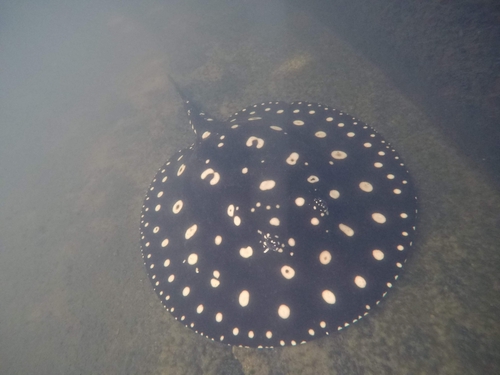
Leopoldi Stingray (PAIRS)
Potamotrygon leopoldi
Out of Stock
Scarce stock
Wild Caught
Experienced care
Not Reef Safe
SKU: 01-A-31-008-01
The Leopoldi Stingray is a stunning freshwater ray known for its unique patterns and gentle demeanor.
Pricing for Verified Importers
Log in to see wholesale prices and order.
Export Size
up to 50.0 cm
Origin
Amazon Basin
Temperature
24.0–28.0°C
Min. Tank Size
300 L
pH
6.50–7.50
Diet
carnivore
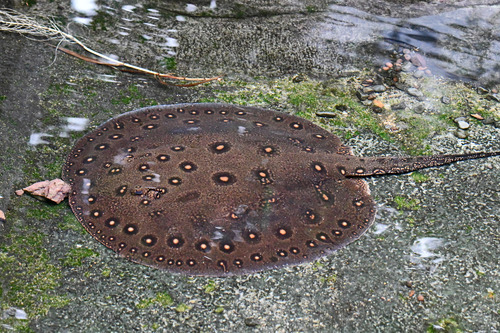
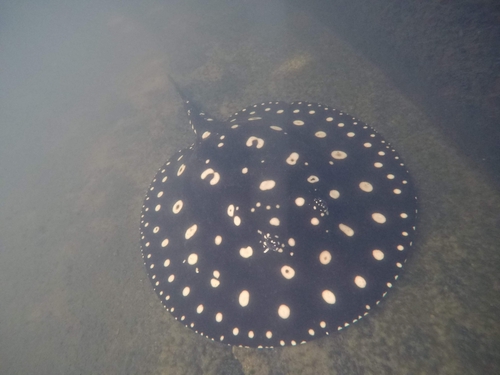
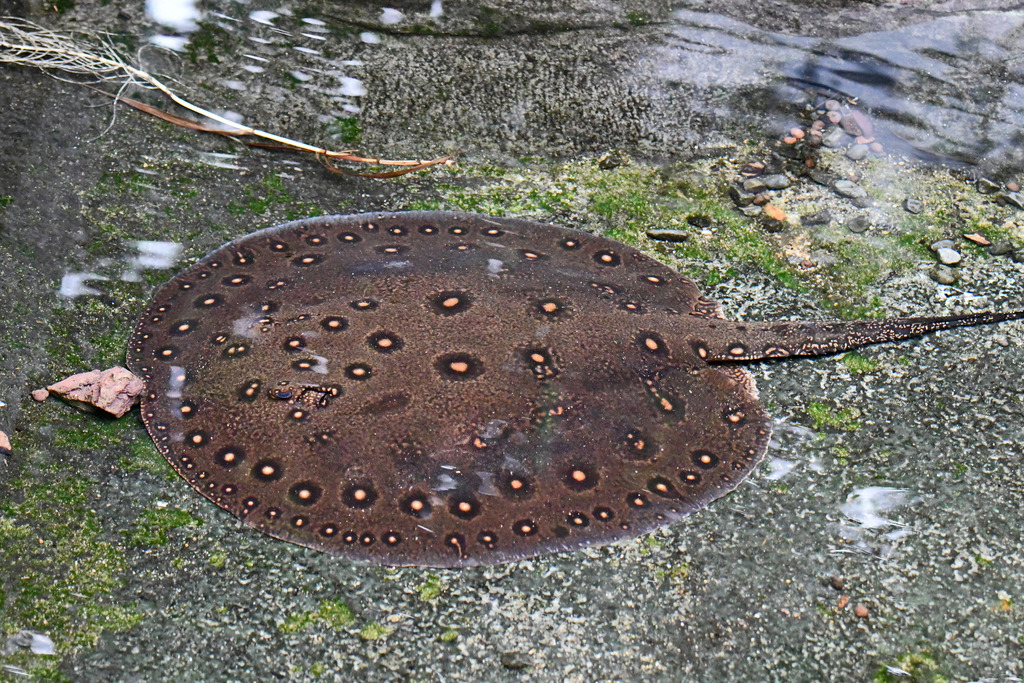
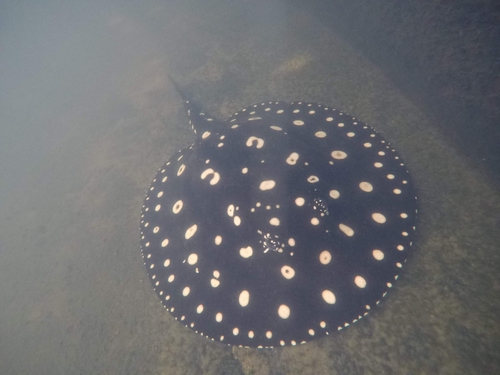
The Leopoldi Stingray (Potamotrygon leopoldi) is a captivating freshwater species native to the Amazon Basin, particularly in Brazil and parts of Peru. This stingray is renowned for its striking appearance, featuring a beautifully patterned dorsal surface with intricate spots that can vary in color from yellow to white against a dark background. Adult specimens can reach sizes of up to 50 cm in diameter, making them a magnificent addition to any freshwater aquarium.
In their natural habitat, Leopoldi Stingrays inhabit slow-moving rivers and flooded areas, often found resting on the substrate or hiding among vegetation. They are primarily nocturnal, showcasing a calm and gentle demeanor during the day. Their unique shape and flattened bodies allow them to easily blend into their surroundings, providing them with protection from potential predators.
Behaviorally, these stingrays are relatively social and can coexist peacefully with other non-aggressive species. However, they can be territorial during breeding season. Their diet consists mainly of small invertebrates and crustaceans in the wild, which they hunt using their electroreception abilities to detect prey hidden in the substrate. This natural behavior makes them not only fascinating to observe but also a challenge to replicate in captivity.
To maintain their health and vibrant appearance, it’s essential to replicate their natural environment in the aquarium, providing ample space and suitable hiding places. With proper care and attention, Leopoldi Stingrays can thrive in a well-maintained aquatic setup, making them a prized species for both importers and aquarium enthusiasts alike.
In their natural habitat, Leopoldi Stingrays inhabit slow-moving rivers and flooded areas, often found resting on the substrate or hiding among vegetation. They are primarily nocturnal, showcasing a calm and gentle demeanor during the day. Their unique shape and flattened bodies allow them to easily blend into their surroundings, providing them with protection from potential predators.
Behaviorally, these stingrays are relatively social and can coexist peacefully with other non-aggressive species. However, they can be territorial during breeding season. Their diet consists mainly of small invertebrates and crustaceans in the wild, which they hunt using their electroreception abilities to detect prey hidden in the substrate. This natural behavior makes them not only fascinating to observe but also a challenge to replicate in captivity.
To maintain their health and vibrant appearance, it’s essential to replicate their natural environment in the aquarium, providing ample space and suitable hiding places. With proper care and attention, Leopoldi Stingrays can thrive in a well-maintained aquatic setup, making them a prized species for both importers and aquarium enthusiasts alike.
To ensure the health and longevity of Leopoldi Stingrays in captivity, it is crucial to maintain optimal water parameters. The ideal temperature range is between 24°C to 28°C, with a pH level of 6.5 to 7.5. As a freshwater species, they require clean, well-filtered water, and regular water changes are essential to prevent the buildup of harmful toxins.
Feeding these stingrays requires a varied diet to replicate their natural feeding habits. High-quality frozen or live foods such as bloodworms, shrimp, and small fish should form the bulk of their diet. It’s best to feed them small portions multiple times a week to prevent overfeeding and maintain water quality. Compatibility with other fish is important; they do best with similarly sized, non-aggressive species to avoid stress and territorial disputes.
Acclimation is vital when introducing Leopoldi Stingrays to a new environment. Gradually acclimate them to the tank water over several hours to reduce stress. Quarantine new arrivals for at least two weeks to ensure they are free from disease before introducing them to the main tank. By following these guidelines, importers and retailers can provide a healthy and stable environment for these beautiful stingrays.
Feeding these stingrays requires a varied diet to replicate their natural feeding habits. High-quality frozen or live foods such as bloodworms, shrimp, and small fish should form the bulk of their diet. It’s best to feed them small portions multiple times a week to prevent overfeeding and maintain water quality. Compatibility with other fish is important; they do best with similarly sized, non-aggressive species to avoid stress and territorial disputes.
Acclimation is vital when introducing Leopoldi Stingrays to a new environment. Gradually acclimate them to the tank water over several hours to reduce stress. Quarantine new arrivals for at least two weeks to ensure they are free from disease before introducing them to the main tank. By following these guidelines, importers and retailers can provide a healthy and stable environment for these beautiful stingrays.
Leopoldi Stingrays are suitable for shipping due to their hardiness, but careful packing is essential. Use insulated containers and maintain a stable temperature between 24°C and 28°C during transit. It’s recommended to limit packing density to ensure adequate oxygen levels. These stingrays are not currently listed under CITES, making export regulations less restrictive, but compliance with local laws is necessary.
Species Parameters
Max Adult Size
50.0 cm
Origin
Amazon Basin
Diet
carnivore
Temp Min
24.0 °C
Temp Max
28.0 °C
pH Min
6.50
pH Max
7.50
Min Tank
300 L