Motoro Stingray
Motoro Stingray
Out of Stock
Scarce stock
Wild Caught
Experienced care
Not Reef Safe
SKU: 01-A-31-001-01
Discover the captivating Motoro Stingray, a stunning freshwater species with unique patterns and behavior.
Pricing for Verified Importers
Log in to see wholesale prices and order.
Export Size
up to 60.0 cm
Origin
Amazon Basin
Temperature
24.0–28.0°C
Min. Tank Size
300 L
pH
6.50–7.50
Diet
carnivore
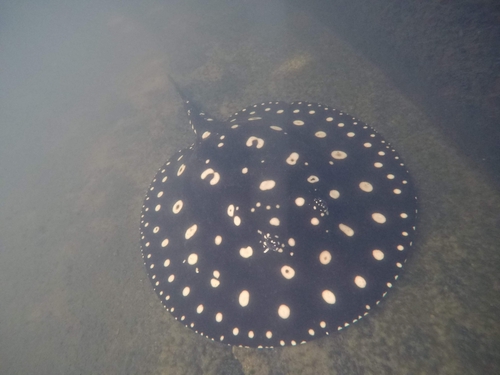
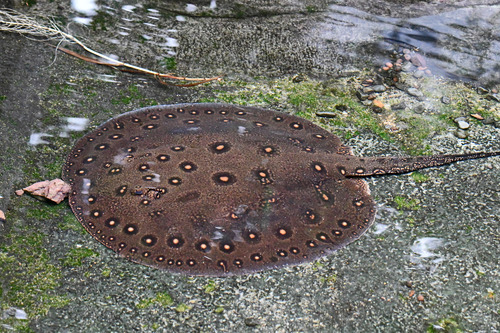
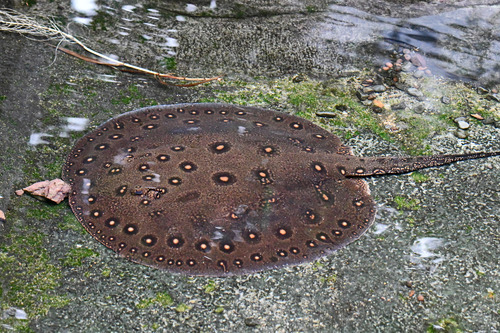
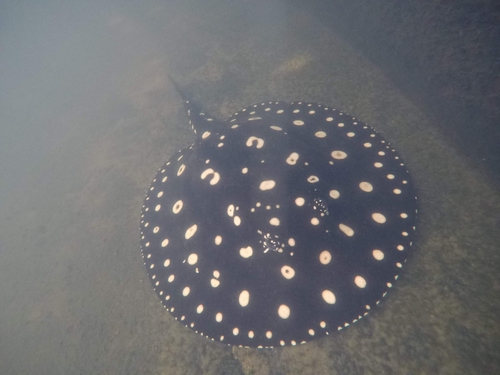
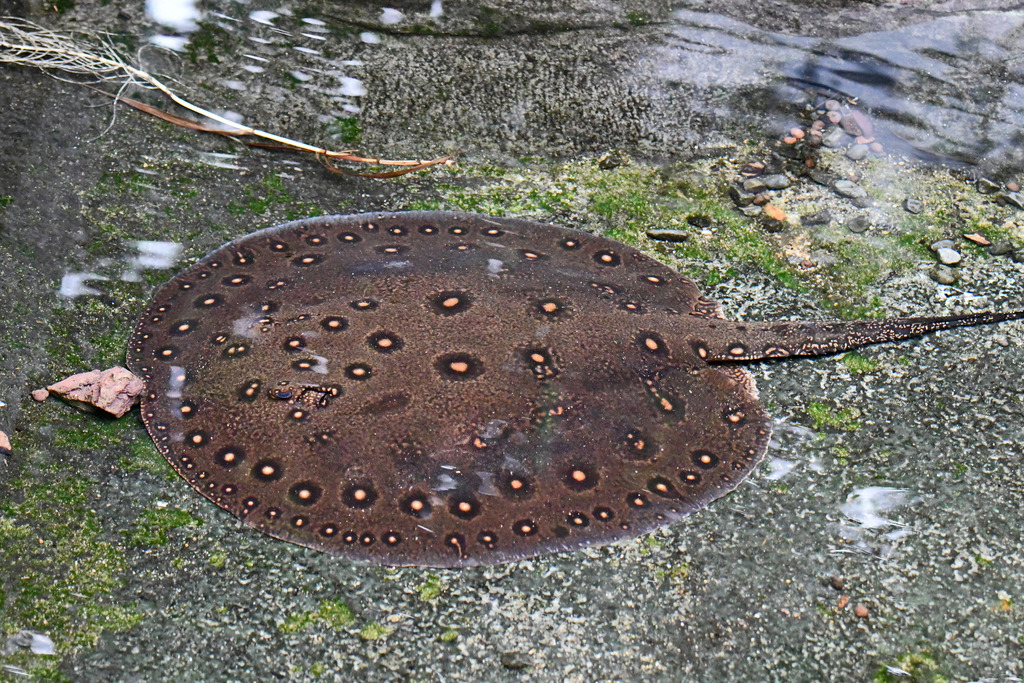
The Motoro Stingray (Motoro Stingray) is a remarkable freshwater species known for its striking appearance and fascinating behavior. Characterized by its broad, disc-shaped body, the Motoro Stingray features intricate patterns of spots and blotches that vary in color, often ranging from brown to gray. This mesmerizing pattern not only serves as camouflage in its natural habitat but also makes it a sought-after species for aquarium enthusiasts. They possess a long, whip-like tail that can be used defensively, and some individuals may have venomous barbs, which require careful handling during maintenance.
In the wild, Motoro Stingrays inhabit the muddy and sandy bottoms of rivers and floodplains across the Amazon Basin and other freshwater systems. They are typically found in slow-moving waters, where they can easily burrow into the substrate to hide from predators and ambush prey. These rays are nocturnal, primarily foraging at night when they hunt for invertebrates, crustaceans, and small fish. Their unique feeding behavior involves using their flattened mouths to suck in prey from the sediment.
Behaviorally, Motoro Stingrays are peaceful creatures that generally coexist well with other non-aggressive fish species. However, they require ample space to swim and hide, as well as a suitable substrate that allows for their natural burrowing habits. The Motoro Stingray is also known for its intelligence and curiosity, often interacting with their environment and the aquarist. This makes them not only a beautiful addition to any aquarium but also an engaging one.
With proper care and a well-maintained environment, Motoro Stingrays can thrive in captivity, providing an extraordinary display of their natural behaviors and stunning patterns. Their popularity in the aquarium trade continues to grow, making them a valuable species for importers and wholesalers alike.
In the wild, Motoro Stingrays inhabit the muddy and sandy bottoms of rivers and floodplains across the Amazon Basin and other freshwater systems. They are typically found in slow-moving waters, where they can easily burrow into the substrate to hide from predators and ambush prey. These rays are nocturnal, primarily foraging at night when they hunt for invertebrates, crustaceans, and small fish. Their unique feeding behavior involves using their flattened mouths to suck in prey from the sediment.
Behaviorally, Motoro Stingrays are peaceful creatures that generally coexist well with other non-aggressive fish species. However, they require ample space to swim and hide, as well as a suitable substrate that allows for their natural burrowing habits. The Motoro Stingray is also known for its intelligence and curiosity, often interacting with their environment and the aquarist. This makes them not only a beautiful addition to any aquarium but also an engaging one.
With proper care and a well-maintained environment, Motoro Stingrays can thrive in captivity, providing an extraordinary display of their natural behaviors and stunning patterns. Their popularity in the aquarium trade continues to grow, making them a valuable species for importers and wholesalers alike.
To ensure the well-being of Motoro Stingrays, maintain water parameters within ideal ranges: a temperature of 24-28°C, pH between 6.5-7.5, and soft to moderately hard water. A minimum tank size of 300 liters is recommended, providing ample space for swimming and hiding. A sandy substrate is essential, as it allows them to burrow and feel secure.
Feeding should consist of a varied diet, including high-quality pellets, live or frozen foods such as shrimp, worms, and small fish. It is crucial to provide a balanced diet to promote health and vibrant colors. Compatibility with other fish species is generally good, but avoid aggressive or fin-nipping tank mates.
Acclimation should be gradual to minimize stress; introduce stingrays slowly into the aquarium environment. Quarantine new arrivals for a minimum of two weeks to prevent the spread of diseases. Regular water quality testing and maintenance are essential to keep these rays healthy and thriving.
Feeding should consist of a varied diet, including high-quality pellets, live or frozen foods such as shrimp, worms, and small fish. It is crucial to provide a balanced diet to promote health and vibrant colors. Compatibility with other fish species is generally good, but avoid aggressive or fin-nipping tank mates.
Acclimation should be gradual to minimize stress; introduce stingrays slowly into the aquarium environment. Quarantine new arrivals for a minimum of two weeks to prevent the spread of diseases. Regular water quality testing and maintenance are essential to keep these rays healthy and thriving.
Motoro Stingrays are suitable for shipping, but care must be taken to ensure their well-being during transit. Packing density should allow for sufficient space to minimize stress. Maintain a shipping temperature between 23-25°C to prevent thermal shock. These rays are not listed under CITES, but adherence to local regulations is essential during export.
Species Parameters
Max Adult Size
60.0 cm
Origin
Amazon Basin
Diet
carnivore
Temp Min
24.0 °C
Temp Max
28.0 °C
pH Min
6.50
pH Max
7.50
Min Tank
300 L