Hasselt's Goby
Callogobius hasselti
In Stock
Scarce stock
Wild Caught
Moderate care
Not Reef Safe
SKU: 01-A-32-006-03
Discover the unique Hasselt's Goby, a captivating freshwater fish native to Indonesia.
Pricing for Verified Importers
Log in to see wholesale prices and order.
Export Size
up to 7.0 cm
Origin
Southeast Asia
Temperature
22.0–28.0°C
Min. Tank Size
50 L
pH
6.50–7.50
Diet
omnivore
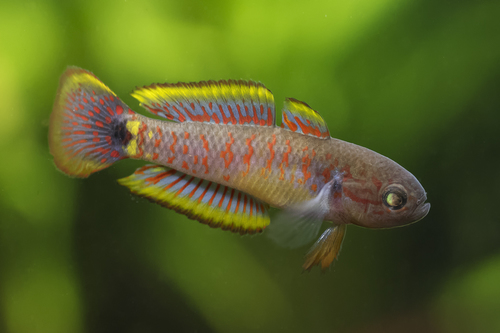
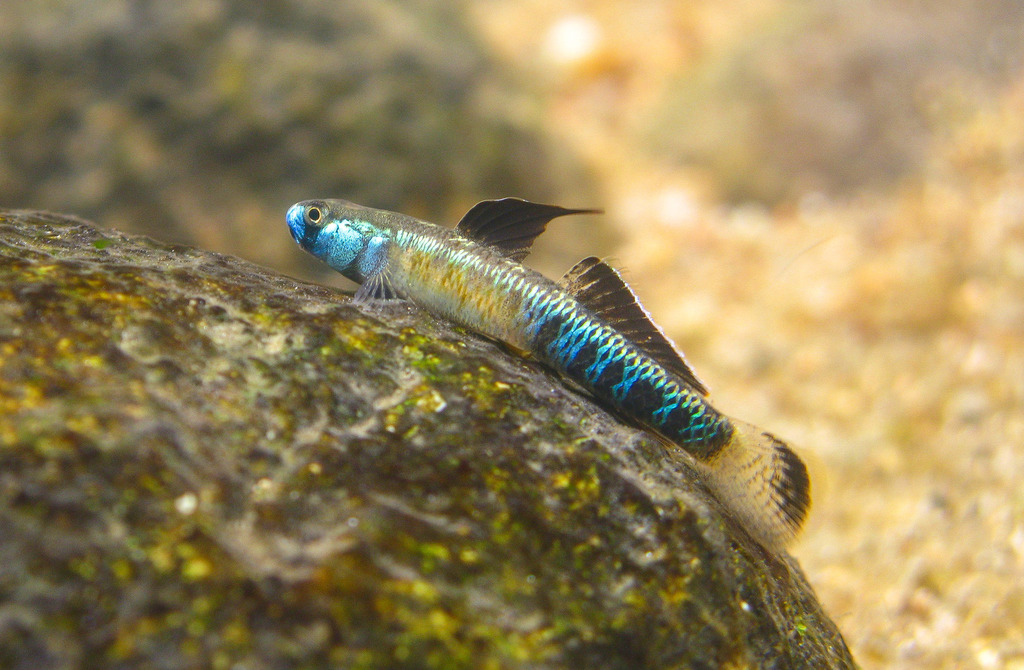
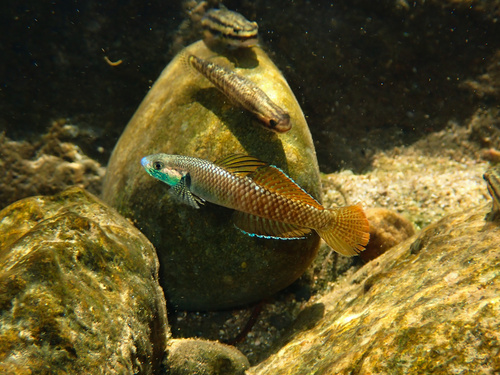
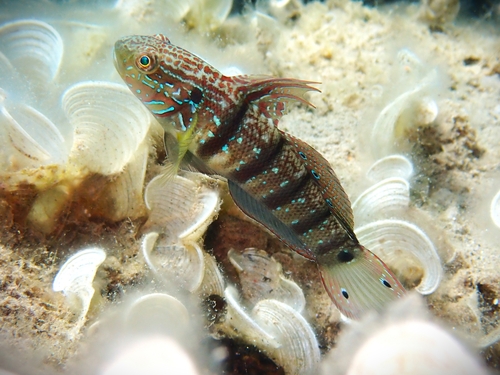
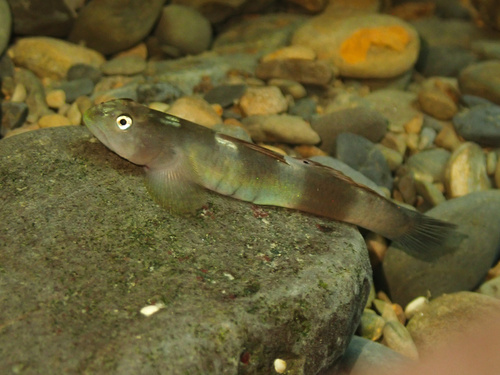
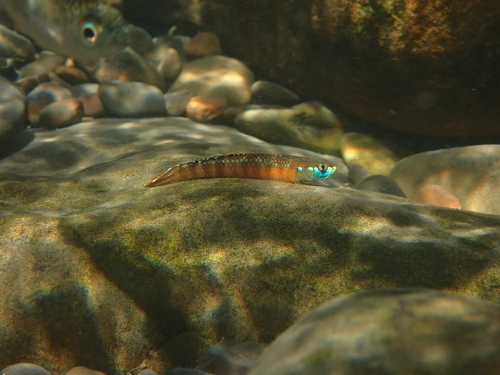
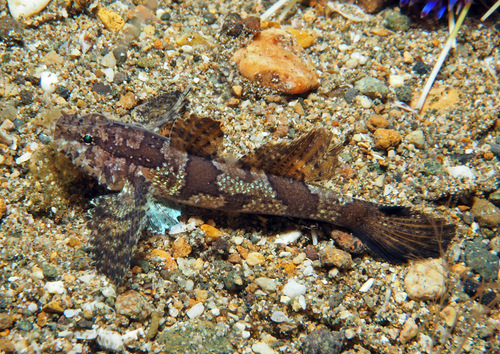
Hasselt's Goby (Callogobius hasselti) is a small freshwater fish that thrives in shallow waters of rivers and streams throughout Southeast Asia, particularly in Indonesia. These gobies are known for their distinctive coloration, which typically features a blend of earthy browns and greens, allowing them to blend seamlessly into their natural habitats. With their elongated bodies and large, protruding eyes, they are perfectly adapted to their environments, often seen darting among submerged vegetation and rocky substrates.
In terms of behavior, Hasselt's Goby is known for its territorial nature, often establishing small areas that they defend from other gobies. They are primarily benthic dwellers and prefer to stay close to the substrate, where they can find food and shelter. Their diet mainly consists of small invertebrates and detritus, making them essential contributors to the aquatic ecosystem's health. Observing their interactions can be fascinating, as they often engage in displays of dominance and courtship, especially during breeding periods.
Hasselt's Goby inhabits freshwater environments with a preference for slow-moving waters, typically found in areas rich in submerged structures like rocks and plants. They are often located in habitats with a soft substrate, where they can dig and hide. This species plays a vital role in maintaining the balance of its ecosystem by participating in the food web and contributing to nutrient cycling.
Overall, the Hasselt's Goby is an intriguing species for aquarists and researchers alike, valued for its unique adaptations and behavior. Its small size and fascinating characteristics make it a suitable candidate for community tanks, provided that the right conditions are met for its care and maintenance.
In terms of behavior, Hasselt's Goby is known for its territorial nature, often establishing small areas that they defend from other gobies. They are primarily benthic dwellers and prefer to stay close to the substrate, where they can find food and shelter. Their diet mainly consists of small invertebrates and detritus, making them essential contributors to the aquatic ecosystem's health. Observing their interactions can be fascinating, as they often engage in displays of dominance and courtship, especially during breeding periods.
Hasselt's Goby inhabits freshwater environments with a preference for slow-moving waters, typically found in areas rich in submerged structures like rocks and plants. They are often located in habitats with a soft substrate, where they can dig and hide. This species plays a vital role in maintaining the balance of its ecosystem by participating in the food web and contributing to nutrient cycling.
Overall, the Hasselt's Goby is an intriguing species for aquarists and researchers alike, valued for its unique adaptations and behavior. Its small size and fascinating characteristics make it a suitable candidate for community tanks, provided that the right conditions are met for its care and maintenance.
To successfully care for Hasselt's Goby, it is crucial to maintain optimal water parameters. These fish thrive in a water temperature range of 22-28°C and prefer a slightly acidic to neutral pH level, ideally between 6.5 and 7.5. A minimum tank size of 50 liters is recommended to allow for territorial behaviors and to provide ample swimming space. The tank should also be well-planted with plenty of hiding spots, such as caves and driftwood, to ensure these fish feel secure.
Feeding Hasselt's Goby is relatively straightforward, as they are opportunistic feeders. A varied diet consisting of high-quality flake food, frozen or live food such as brine shrimp and daphnia will keep them healthy and active. It is essential to feed them small portions multiple times a day to mimic their natural foraging behavior.
When introducing Hasselt's Goby to a new tank, acclimation is vital. Gradually adjust the temperature and water parameters of the new environment over a few hours to minimize stress. Quarantine new arrivals for at least two weeks to monitor for any signs of illness or parasites, ensuring a healthy addition to your aquatic community.
Compatibility is generally good with other small, peaceful fish, but caution should be taken with larger or more aggressive species that may intimidate or harm them. Keeping them in groups is recommended to reduce stress and encourage natural behaviors.
Feeding Hasselt's Goby is relatively straightforward, as they are opportunistic feeders. A varied diet consisting of high-quality flake food, frozen or live food such as brine shrimp and daphnia will keep them healthy and active. It is essential to feed them small portions multiple times a day to mimic their natural foraging behavior.
When introducing Hasselt's Goby to a new tank, acclimation is vital. Gradually adjust the temperature and water parameters of the new environment over a few hours to minimize stress. Quarantine new arrivals for at least two weeks to monitor for any signs of illness or parasites, ensuring a healthy addition to your aquatic community.
Compatibility is generally good with other small, peaceful fish, but caution should be taken with larger or more aggressive species that may intimidate or harm them. Keeping them in groups is recommended to reduce stress and encourage natural behaviors.
Hasselt's Goby is well-suited for shipping due to its hardiness, but specific care is necessary to ensure their survival during transit. They should be packed with adequate oxygen and water to maintain stable conditions, ideally at temperatures between 22-28°C. A packing density of 1-2 fish per liter is advisable to minimize stress. This species is not listed under CITES, simplifying compliance with export regulations.
Species Parameters
Max Adult Size
7.0 cm
Origin
Southeast Asia
Diet
omnivore
Temp Min
22.0 °C
Temp Max
28.0 °C
pH Min
6.50
pH Max
7.50
Min Tank
50 L