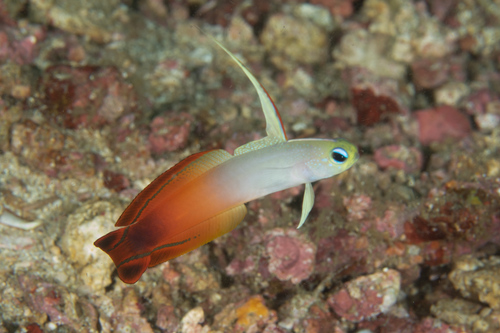
Red Goby
Stiphodon sp
Out of Stock
Scarce stock
Wild Caught
Moderate care
Not Reef Safe
SKU: 01-A-32-031-03
Discover the stunning Red Goby, a vibrant freshwater species ideal for aquarists.
Pricing for Verified Importers
Log in to see wholesale prices and order.
Export Size
up to 5.0 cm
Origin
Southeast Asia
Temperature
22.0–28.0°C
Min. Tank Size
40 L
pH
6.50–7.50
Diet
omnivore
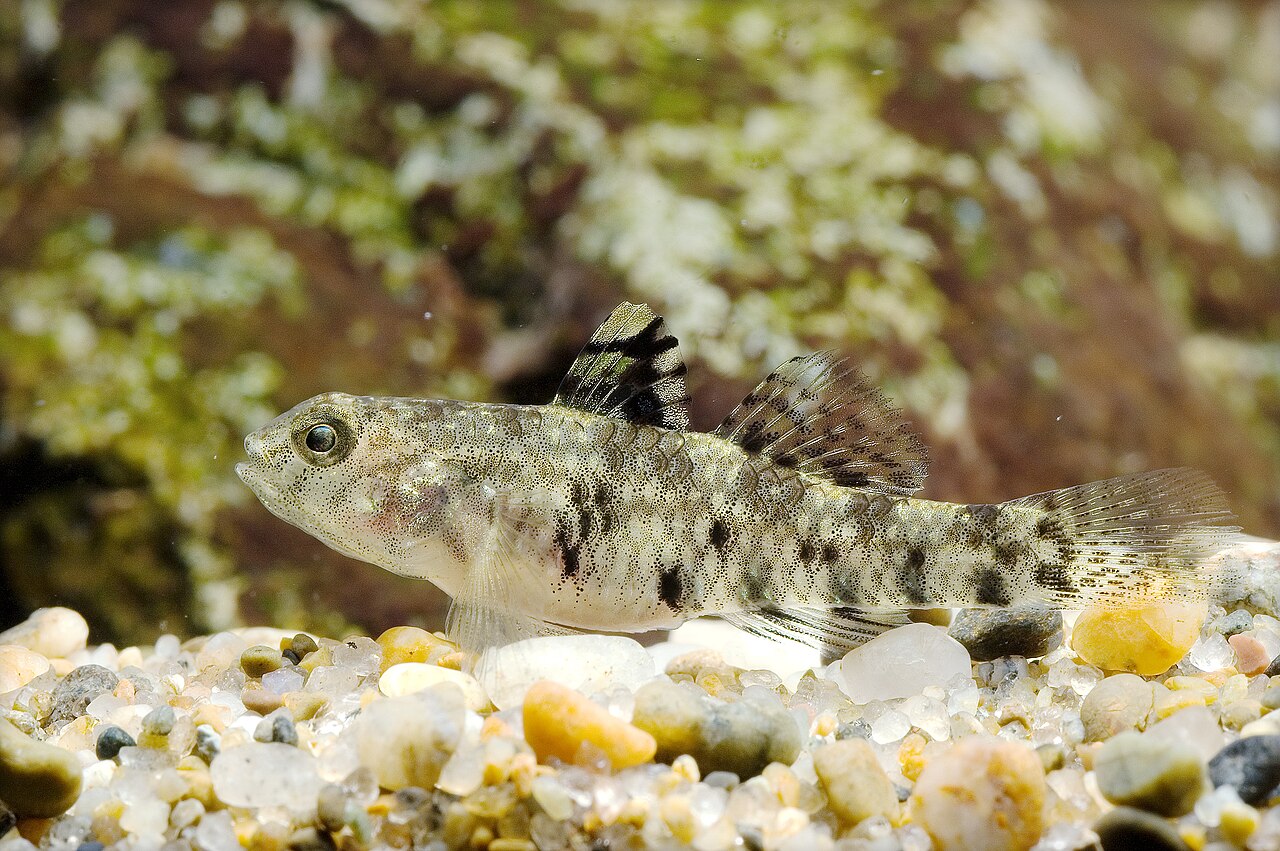
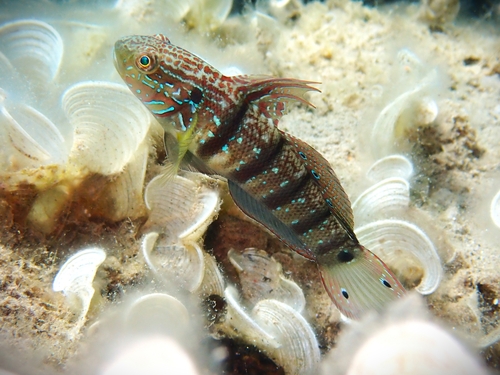
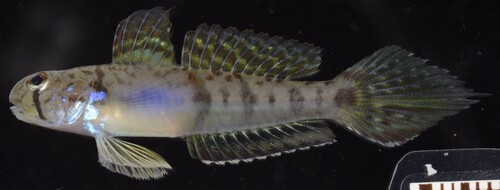
The Red Goby (Stiphodon sp) is a captivating freshwater fish native to the rivers and streams of Bali, Indonesia. Known for its striking coloration, this species exhibits a beautiful array of reds, oranges, and yellows, making it a favorite among aquarists. They are small in size, typically reaching up to 5 cm in length, which allows them to thrive in various aquarium setups without overwhelming space. Their unique morphology, including a flattened body and large eyes, facilitates their lifestyle in fast-flowing waters, where they can be found skillfully maneuvering among rocks and vegetation.
Behaviorally, Red Gobies are known for their territorial nature, particularly the males, who will establish and defend small territories during breeding seasons. They are social fish, often seen in groups, which helps reduce stress and promotes natural behaviors. Their natural habitat consists of freshwater streams with clear, oxygen-rich water, abundant vegetation, and rocky substrates, providing cover and breeding sites. Understanding these environmental needs is crucial for successful care in captivity.
In terms of diet, Red Gobies are primarily omnivorous, feeding on small invertebrates, algae, and detritus in their natural habitat. This diverse diet supports their health and vibrant coloration in aquariums. They are also known to exhibit interesting foraging behaviors, often sifting through substrate to find food. As a result, providing a varied diet that mimics their natural feeding habits is essential for their well-being in captivity.
Behaviorally, Red Gobies are known for their territorial nature, particularly the males, who will establish and defend small territories during breeding seasons. They are social fish, often seen in groups, which helps reduce stress and promotes natural behaviors. Their natural habitat consists of freshwater streams with clear, oxygen-rich water, abundant vegetation, and rocky substrates, providing cover and breeding sites. Understanding these environmental needs is crucial for successful care in captivity.
In terms of diet, Red Gobies are primarily omnivorous, feeding on small invertebrates, algae, and detritus in their natural habitat. This diverse diet supports their health and vibrant coloration in aquariums. They are also known to exhibit interesting foraging behaviors, often sifting through substrate to find food. As a result, providing a varied diet that mimics their natural feeding habits is essential for their well-being in captivity.
To ensure optimal health for Red Gobies, maintaining specific water parameters is vital. The ideal temperature range is between 22°C to 28°C, with a pH level of 6.5 to 7.5. These fish thrive in well-oxygenated, clean water, so regular water changes and proper filtration are essential. Additionally, the tank should include plenty of hiding spots, such as rocks and plants, to create a secure environment where they can feel safe and display natural behaviors.
Feeding Red Gobies a balanced diet is crucial. They enjoy high-quality flake and pellet foods, supplemented with live or frozen foods like brine shrimp and daphnia. It’s important to feed them small amounts several times a day rather than large portions at once. Compatibility-wise, Red Gobies generally do well with other small, peaceful freshwater species, but care should be taken to avoid larger, aggressive fish that may outcompete them for food or territory.
When introducing Red Gobies to a new aquarium, it's necessary to acclimate them slowly to minimize stress. A quarantine period of at least two weeks is advisable to monitor for any signs of disease before adding them to a community tank. This practice not only enhances their survival rate but also contributes to the overall health of the aquarium.
Feeding Red Gobies a balanced diet is crucial. They enjoy high-quality flake and pellet foods, supplemented with live or frozen foods like brine shrimp and daphnia. It’s important to feed them small amounts several times a day rather than large portions at once. Compatibility-wise, Red Gobies generally do well with other small, peaceful freshwater species, but care should be taken to avoid larger, aggressive fish that may outcompete them for food or territory.
When introducing Red Gobies to a new aquarium, it's necessary to acclimate them slowly to minimize stress. A quarantine period of at least two weeks is advisable to monitor for any signs of disease before adding them to a community tank. This practice not only enhances their survival rate but also contributes to the overall health of the aquarium.
Red Gobies are suitable for shipping, provided they are packed securely to ensure minimal stress. A packing density of 1-2 fish per liter is recommended, along with sufficient oxygen exchange in the bags. They are sensitive to extreme temperatures, so shipping should ideally take place during moderate weather conditions. While Red Gobies are not listed under CITES, adherence to local regulations and best practices for aquatic life export is essential.
Species Parameters
Max Adult Size
5.0 cm
Origin
Southeast Asia
Diet
omnivore
Temp Min
22.0 °C
Temp Max
28.0 °C
pH Min
6.50
pH Max
7.50
Min Tank
40 L