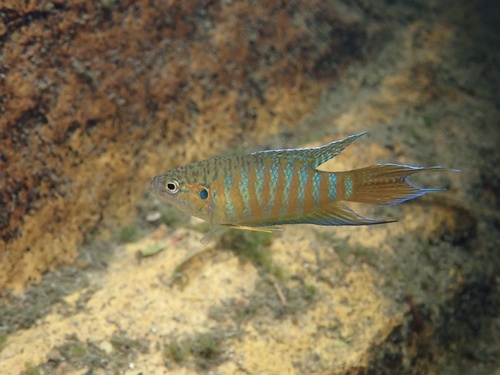
Ice Paradise Fish
Macropodus opercularis
Limited
Occasional stock
Wild Caught
Moderate care
Not Reef Safe
SKU: 01-A-26-052-09
The Ice Paradise Fish, known for its beautiful coloration and unique behavior, makes an excellent addition to freshwater aquariums.
Pricing for Verified Importers
Log in to see wholesale prices and order.
Export Size
up to 6.7 cm
Origin
Southeast Asia
Temperature
22.0–28.0°C
Min. Tank Size
50 L
pH
6.50–7.50
Diet
omnivore
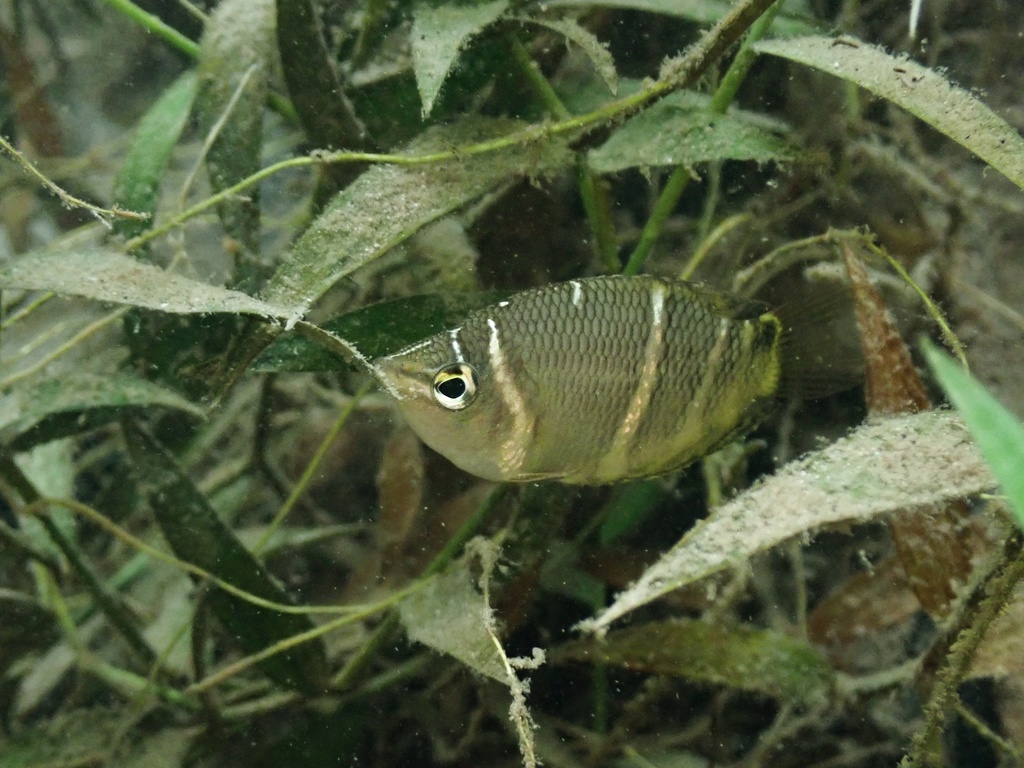
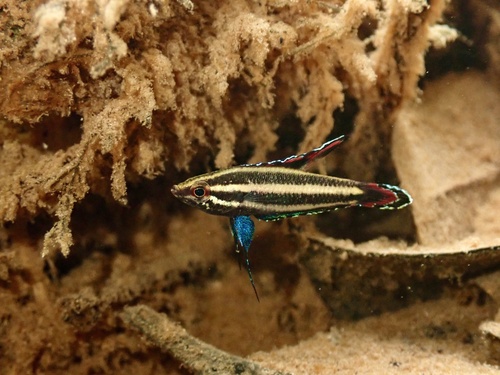
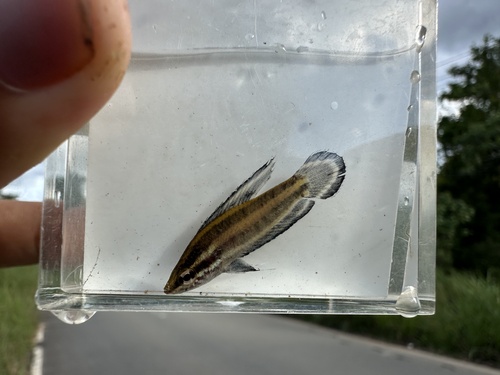
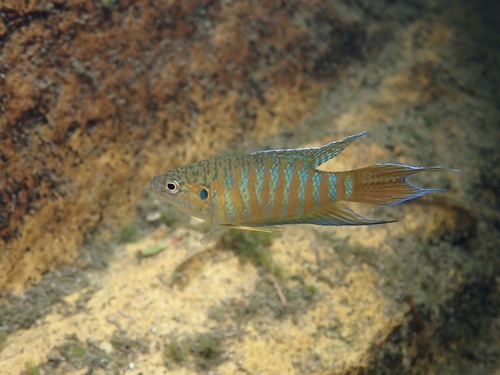
The Ice Paradise Fish, scientifically known as Macropodus opercularis, is a striking freshwater fish native to East Asia, ranging from eastern China to northern Vietnam. This species is recognized for its vibrant colors and long, flowing fins, which can reach a standard length of about 6.7 cm, although most individuals are typically around 5.5 cm. The Ice Paradise Fish is part of the Osphronemidae family, which includes various anabantiform fishes known for their unique respiratory adaptations that allow them to breathe air. This adaptability enables them to thrive in oxygen-poor waters, making them resilient in different aquatic environments.
In terms of behavior, the Ice Paradise Fish is one of the more aggressive members of its family, displaying territorial tendencies, especially during breeding. They exhibit interesting social behaviors, often engaging in vivid displays of color and fin spreading to establish dominance. These fish prefer slow-moving waters with plenty of vegetation, which provides both shelter and breeding sites. Their natural habitats often include marshes, ponds, and rice paddies, where they can be found in groups or pairs.
Captive breeding of the Ice Paradise Fish has a notable history, as they were among the first freshwater tropical fish successfully bred in Europe, introduced to the West in 1869. This species has become increasingly popular in the aquarium trade due to its striking appearance and unique behaviors, making it a favorite among enthusiasts and hobbyists alike.
In terms of behavior, the Ice Paradise Fish is one of the more aggressive members of its family, displaying territorial tendencies, especially during breeding. They exhibit interesting social behaviors, often engaging in vivid displays of color and fin spreading to establish dominance. These fish prefer slow-moving waters with plenty of vegetation, which provides both shelter and breeding sites. Their natural habitats often include marshes, ponds, and rice paddies, where they can be found in groups or pairs.
Captive breeding of the Ice Paradise Fish has a notable history, as they were among the first freshwater tropical fish successfully bred in Europe, introduced to the West in 1869. This species has become increasingly popular in the aquarium trade due to its striking appearance and unique behaviors, making it a favorite among enthusiasts and hobbyists alike.
When caring for Ice Paradise Fish, it is crucial to maintain optimal water parameters to ensure their health and well-being. They thrive in water temperatures ranging from 24°C to 28°C, with a pH level between 6.5 and 7.5. A minimum tank size of 50 liters is recommended to provide ample swimming space and territorial boundaries, as these fish can be aggressive towards their own kind.
Feeding should consist of a varied diet, including high-quality pellets, frozen or live foods such as brine shrimp and daphnia, which help enhance their colors and provide necessary nutrients. It is also essential to monitor their compatibility with other species; while they can be kept with similarly sized fish, avoid housing them with overly aggressive species or those that may stress them out.
Acclimation should be done carefully, introducing them to their new environment gradually to minimize shock. Quarantine new arrivals for at least two weeks to monitor for signs of disease before introducing them to the main tank. This proactive approach helps maintain the health of the entire aquarium.
Feeding should consist of a varied diet, including high-quality pellets, frozen or live foods such as brine shrimp and daphnia, which help enhance their colors and provide necessary nutrients. It is also essential to monitor their compatibility with other species; while they can be kept with similarly sized fish, avoid housing them with overly aggressive species or those that may stress them out.
Acclimation should be done carefully, introducing them to their new environment gradually to minimize shock. Quarantine new arrivals for at least two weeks to monitor for signs of disease before introducing them to the main tank. This proactive approach helps maintain the health of the entire aquarium.
The Ice Paradise Fish is suitable for shipping due to its adaptability, but care must be taken during transport. Ideal packing density is around 1 fish per liter to prevent stress and aggression. It is crucial to maintain a stable temperature between 22°C and 26°C during shipping. This species is not listed under CITES, making it easier for export and import operations.
Species Parameters
Max Adult Size
6.7 cm
Origin
Southeast Asia
Diet
omnivore
Temp Min
22.0 °C
Temp Max
28.0 °C
pH Min
6.50
pH Max
7.50
Min Tank
50 L