Paradise Fish
Macropodus opercularis
In Stock
Scarce stock
Tank Bred
Moderate care
Not Reef Safe
SKU: 01-A-26-011-08
The Paradise Fish is a strikingly colorful freshwater fish with a fascinating history.
Pricing for Verified Importers
Log in to see wholesale prices and order.
Export Size
up to 6.7 cm
Origin
Southeast Asia
Temperature
24.0–28.0°C
Min. Tank Size
40 L
pH
6.00–7.50
Diet
omnivore
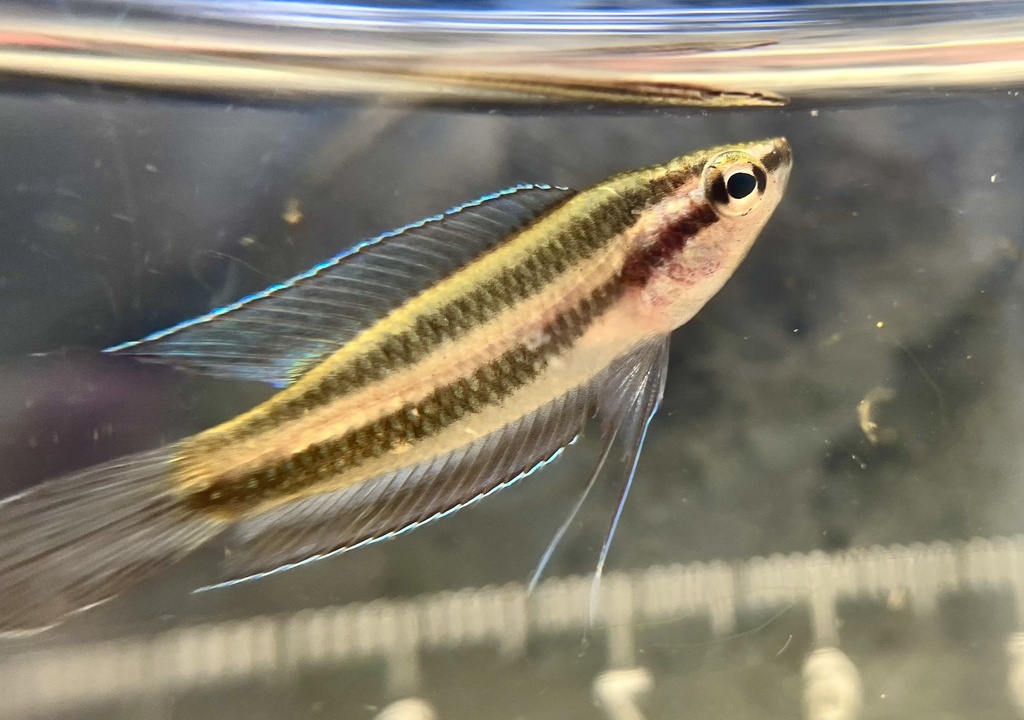
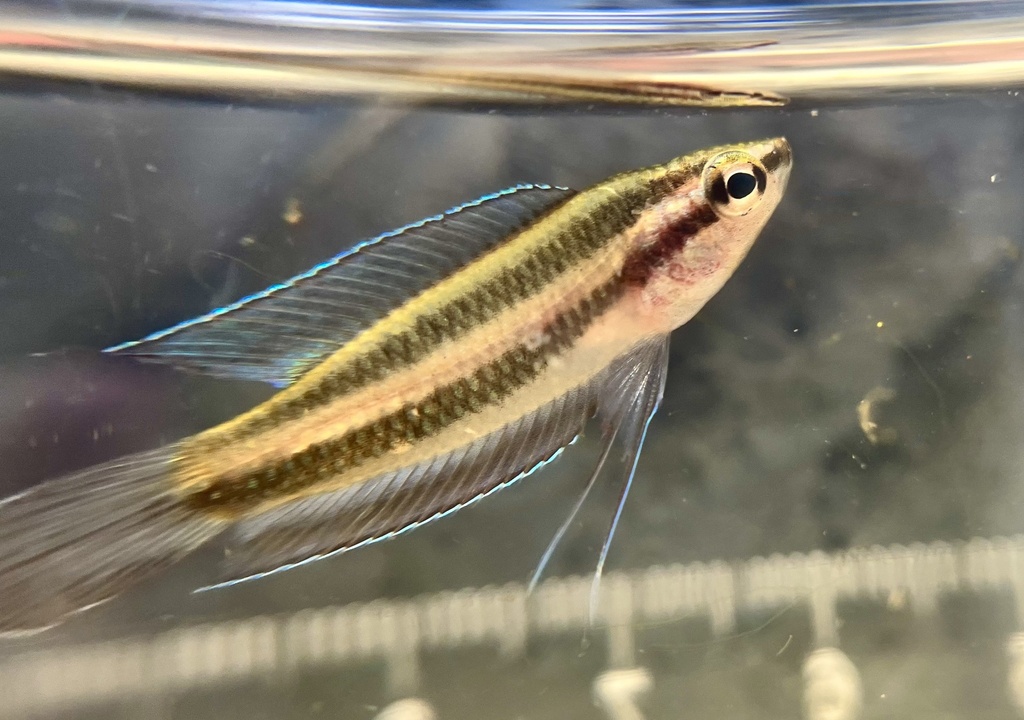
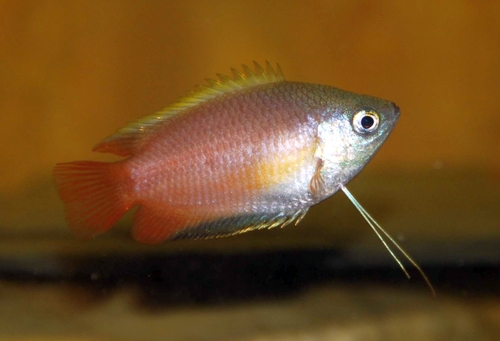
The fork-tailed paradisefish, or paradise gourami, is a captivating species known for its vibrant coloration and graceful swimming patterns. Originating from the freshwater habitats of East Asia, particularly from eastern China to northern Vietnam, this fish can typically reach a standard length of 5.5 cm, with some individuals growing up to 6.7 cm. Its elongated fins and forked tail contribute to its allure, making it a favorite among aquarium enthusiasts.
Historically, the paradise fish holds a significant place in the aquarium trade, being the second ornamental fish from China introduced to the West after the goldfish. Its successful breeding in captivity in Europe began in 1869, thanks to the efforts of Pierre Carbonnier, a French aquarium importer. This fish is known for being somewhat territorial and aggressive, especially compared to the more docile three spot gourami, but it is less combative than the combtai species. Such behavior makes it essential for aquarists to consider tank mates carefully.
In its natural habitat, the paradise fish is typically found in slow-moving waters, swamps, and rice paddies, where it thrives in warm, shallow environments. This species prefers densely vegetated areas that provide hiding spots and breeding grounds. The unique adaptations of the paradise fish allow it to thrive in various freshwater conditions, making it a versatile choice for aquarists.
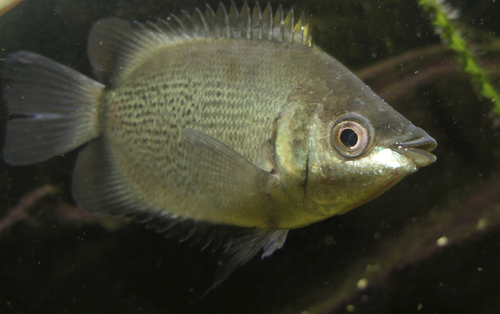
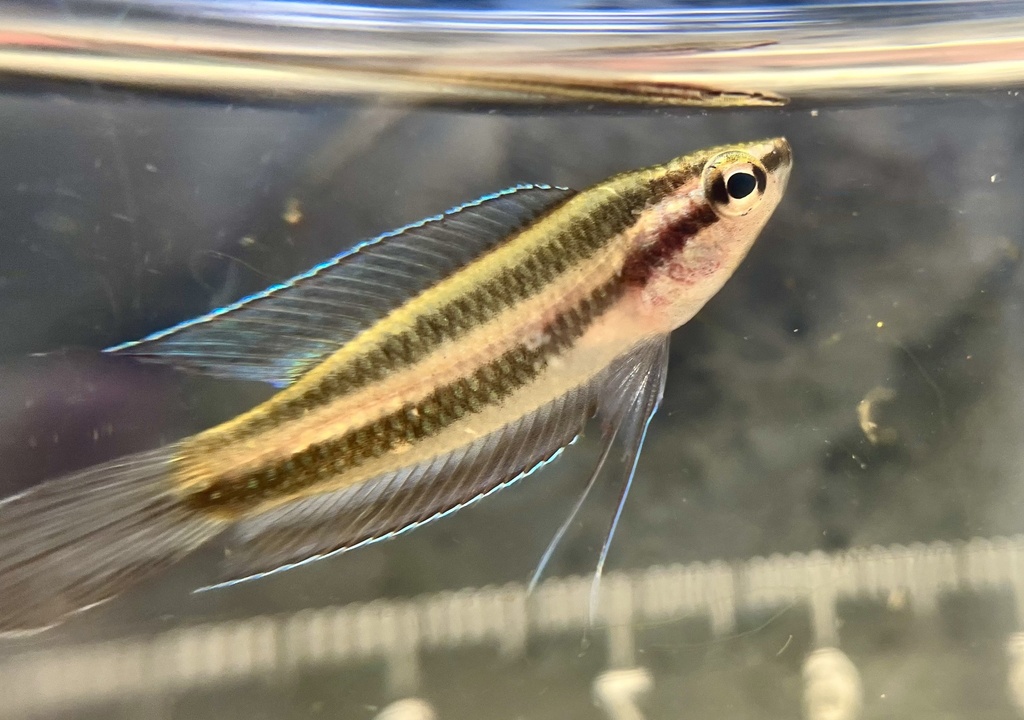
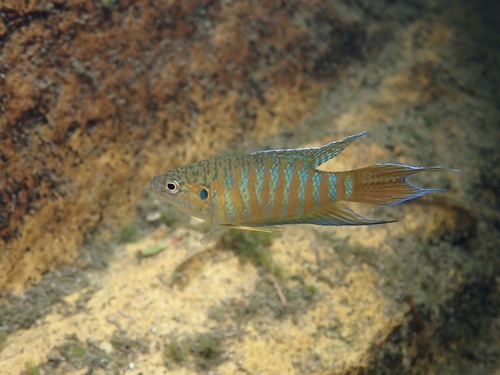
The visual appeal of the paradise fish is heightened by its striking coloration, which includes shades of blue, red, and gold. Males, in particular, exhibit more vivid coloration, especially during mating displays. This species is not only a beautiful addition to any aquarium but also a fish with a rich history in ornamental aquaculture.
Historically, the paradise fish holds a significant place in the aquarium trade, being the second ornamental fish from China introduced to the West after the goldfish. Its successful breeding in captivity in Europe began in 1869, thanks to the efforts of Pierre Carbonnier, a French aquarium importer. This fish is known for being somewhat territorial and aggressive, especially compared to the more docile three spot gourami, but it is less combative than the combtai species. Such behavior makes it essential for aquarists to consider tank mates carefully.
In its natural habitat, the paradise fish is typically found in slow-moving waters, swamps, and rice paddies, where it thrives in warm, shallow environments. This species prefers densely vegetated areas that provide hiding spots and breeding grounds. The unique adaptations of the paradise fish allow it to thrive in various freshwater conditions, making it a versatile choice for aquarists.
The visual appeal of the paradise fish is heightened by its striking coloration, which includes shades of blue, red, and gold. Males, in particular, exhibit more vivid coloration, especially during mating displays. This species is not only a beautiful addition to any aquarium but also a fish with a rich history in ornamental aquaculture.
For optimal care of the paradise fish, it is essential to maintain water parameters that mimic its natural habitat. The ideal temperature range is between 24°C and 28°C, with a pH level between 6.0 and 7.5. A minimum tank size of 40 liters is recommended to provide ample space for swimming and territorial displays.
Feeding the paradise fish is straightforward, as they are omnivorous and will accept a variety of foods. A balanced diet of high-quality flake food, frozen or live foods such as brine shrimp and daphnia, along with occasional vegetable matter, will ensure their health and vitality. Since paradise fish can be aggressive, especially during breeding, it is crucial to choose tank mates wisely, opting for species that can coexist peacefully.
Acclimation should be done gradually to prevent shock; floating the sealed bag in the aquarium water for about 15-20 minutes before releasing the fish is recommended. Quarantine new arrivals for at least two weeks to monitor for signs of illness and to avoid introducing diseases to your main tank. With proper care, paradise fish can thrive and bring vibrant life to your aquarium.
Feeding the paradise fish is straightforward, as they are omnivorous and will accept a variety of foods. A balanced diet of high-quality flake food, frozen or live foods such as brine shrimp and daphnia, along with occasional vegetable matter, will ensure their health and vitality. Since paradise fish can be aggressive, especially during breeding, it is crucial to choose tank mates wisely, opting for species that can coexist peacefully.
Acclimation should be done gradually to prevent shock; floating the sealed bag in the aquarium water for about 15-20 minutes before releasing the fish is recommended. Quarantine new arrivals for at least two weeks to monitor for signs of illness and to avoid introducing diseases to your main tank. With proper care, paradise fish can thrive and bring vibrant life to your aquarium.
Paradise fish are suitable for shipping, provided that proper care is taken to ensure their comfort during transit. They should be packed with sufficient water, allowing at least 1 liter per fish to maintain water quality and minimize stress. The ideal shipping temperature should be maintained between 24°C and 28°C. Currently, paradise fish are not listed under CITES, making them easier to export.
Species Parameters
Max Adult Size
6.7 cm
Origin
Southeast Asia
Diet
omnivore
Temp Min
24.0 °C
Temp Max
28.0 °C
pH Min
6.00
pH Max
7.50
Min Tank
40 L