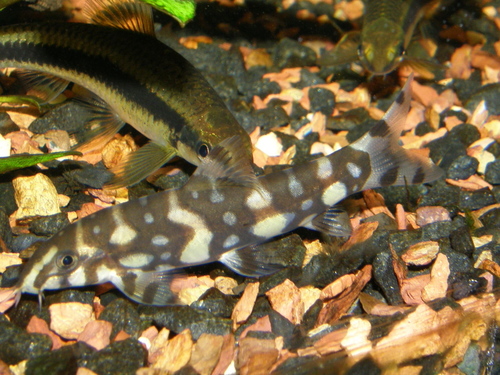
Borneo Silver Glass Catfish
Pseudeutropius moolenburghae
Out of Stock
Scarce stock
Wild Caught
Moderate care
Not Reef Safe
SKU: 01-A-29-021-15
The Borneo Silver Glass Catfish is a unique addition to any freshwater aquarium.
Pricing for Verified Importers
Log in to see wholesale prices and order.
Export Size
up to 10.0 cm
Origin
Southeast Asia
Temperature
24.0–28.0°C
Min. Tank Size
100 L
pH
6.00–7.50
Diet
omnivore
The Borneo Silver Glass Catfish (Pseudeutropius moolenburghae) is a stunning freshwater species native to the rivers of Borneo. This species is distinguished by its transparent body, which showcases its internal organs and creates a mesmerizing visual effect in aquariums. With a maximum length of about 10 cm, this catfish is an excellent choice for both novice and experienced aquarists looking to add a touch of elegance to their tanks.
In terms of natural history, these catfish are typically found in the slow-moving rivers and streams of Borneo, where they inhabit areas with dense vegetation and ample hiding spots. They are known to be social fish, often seen in small groups, which makes them a delightful species to observe as they interact with one another. Their peaceful temperament allows them to coexist with a variety of other freshwater species, enhancing the community tank experience.
Behaviorally, the Borneo Silver Glass Catfish is quite active, particularly during dawn and dusk when they are most likely to forage for food. They are bottom dwellers that enjoy rummaging through substrate and plants for detritus and small invertebrates. Their natural diet consists mainly of small organisms, making them an interesting species for aquarists interested in recreating natural feeding behaviors in captivity.
In terms of habitat, these fish thrive in well-planted tanks with plenty of hiding spots, mimicking their natural environment. Soft, slightly acidic water conditions are preferred, making them ideal for setups that replicate their native conditions. Their unique appearance and peaceful nature make them a sought-after species for freshwater aquarium enthusiasts.
In terms of natural history, these catfish are typically found in the slow-moving rivers and streams of Borneo, where they inhabit areas with dense vegetation and ample hiding spots. They are known to be social fish, often seen in small groups, which makes them a delightful species to observe as they interact with one another. Their peaceful temperament allows them to coexist with a variety of other freshwater species, enhancing the community tank experience.
Behaviorally, the Borneo Silver Glass Catfish is quite active, particularly during dawn and dusk when they are most likely to forage for food. They are bottom dwellers that enjoy rummaging through substrate and plants for detritus and small invertebrates. Their natural diet consists mainly of small organisms, making them an interesting species for aquarists interested in recreating natural feeding behaviors in captivity.
In terms of habitat, these fish thrive in well-planted tanks with plenty of hiding spots, mimicking their natural environment. Soft, slightly acidic water conditions are preferred, making them ideal for setups that replicate their native conditions. Their unique appearance and peaceful nature make them a sought-after species for freshwater aquarium enthusiasts.
To ensure the health and well-being of the Borneo Silver Glass Catfish, it is crucial to maintain optimal water parameters. A temperature range of 24-28°C is ideal, with a pH level between 6.0 and 7.5. Regular water changes will help maintain water quality, as these fish are sensitive to poor water conditions. The tank should be a minimum of 100 liters to provide ample space for swimming and hiding.
Feeding these catfish is straightforward; they are omnivorous and will thrive on a diet of high-quality flakes, sinking pellets, and occasional live or frozen food such as brine shrimp or bloodworms. It is essential to ensure they receive a varied diet to promote optimal health.
In terms of compatibility, they are peaceful and can be kept with a wide range of other community fish, but larger, more aggressive species should be avoided. When introducing new fish, acclimate them slowly to prevent stress. A quarantine period of at least two weeks is recommended before adding them to a display tank, as this will help prevent the introduction of diseases.
Overall, the Borneo Silver Glass Catfish is a low-maintenance species that can thrive in a well-planned aquarium setting, making them a perfect choice for importers and retailers looking to offer a unique and beautiful fish to their customers.
Feeding these catfish is straightforward; they are omnivorous and will thrive on a diet of high-quality flakes, sinking pellets, and occasional live or frozen food such as brine shrimp or bloodworms. It is essential to ensure they receive a varied diet to promote optimal health.
In terms of compatibility, they are peaceful and can be kept with a wide range of other community fish, but larger, more aggressive species should be avoided. When introducing new fish, acclimate them slowly to prevent stress. A quarantine period of at least two weeks is recommended before adding them to a display tank, as this will help prevent the introduction of diseases.
Overall, the Borneo Silver Glass Catfish is a low-maintenance species that can thrive in a well-planned aquarium setting, making them a perfect choice for importers and retailers looking to offer a unique and beautiful fish to their customers.
The Borneo Silver Glass Catfish is suitable for shipping, provided proper care is taken during transport. Packing density should be moderate to ensure the fish have enough space to move without stress. Temperature should be maintained between 24-28°C during shipping to prevent shock. These fish are not listed under CITES, so there are no specific export restrictions. Ensure optimal conditions to guarantee their health upon arrival.
Species Parameters
Max Adult Size
10.0 cm
Origin
Southeast Asia
Diet
omnivore
Temp Min
24.0 °C
Temp Max
28.0 °C
pH Min
6.00
pH Max
7.50
Min Tank
100 L