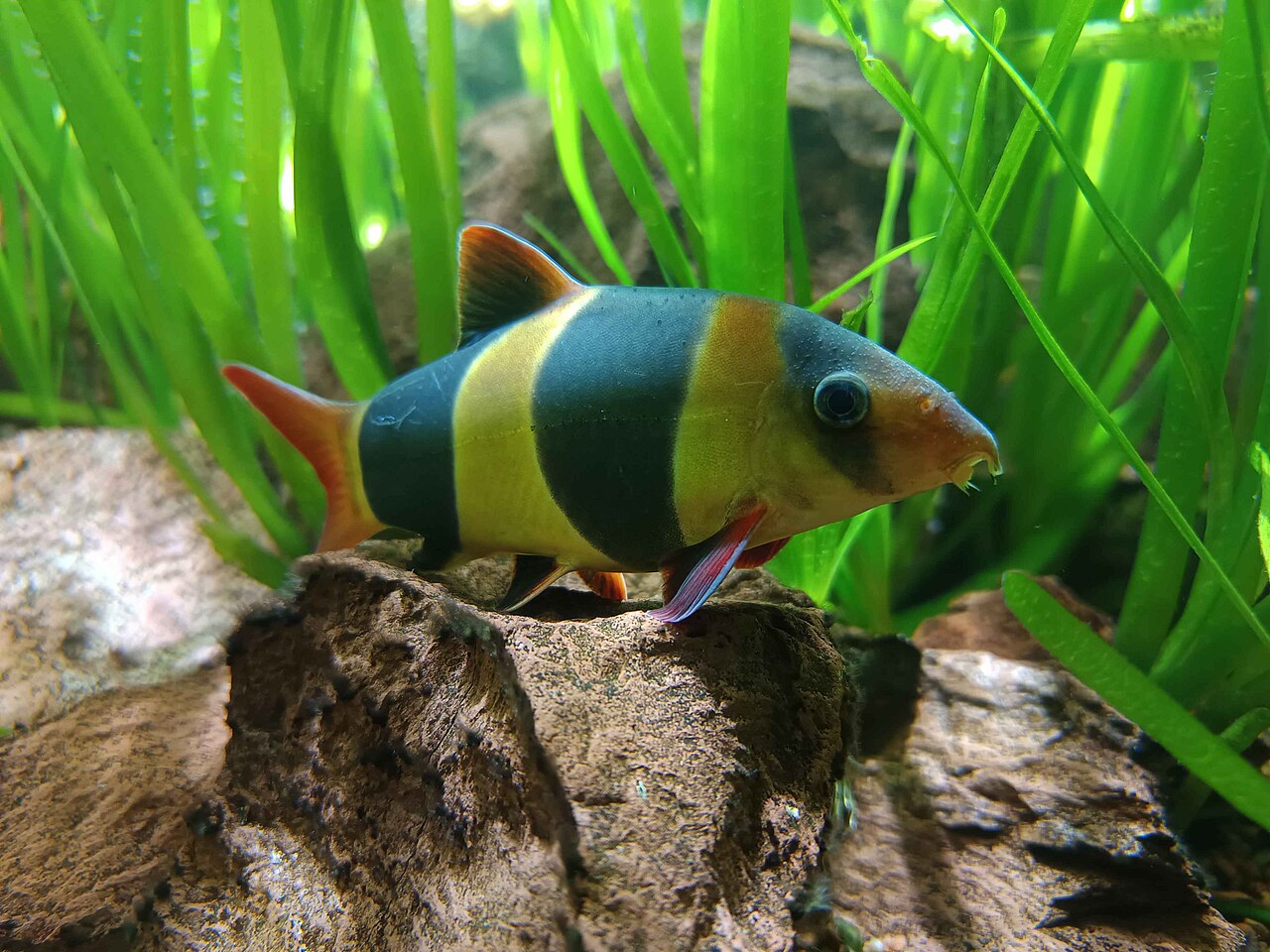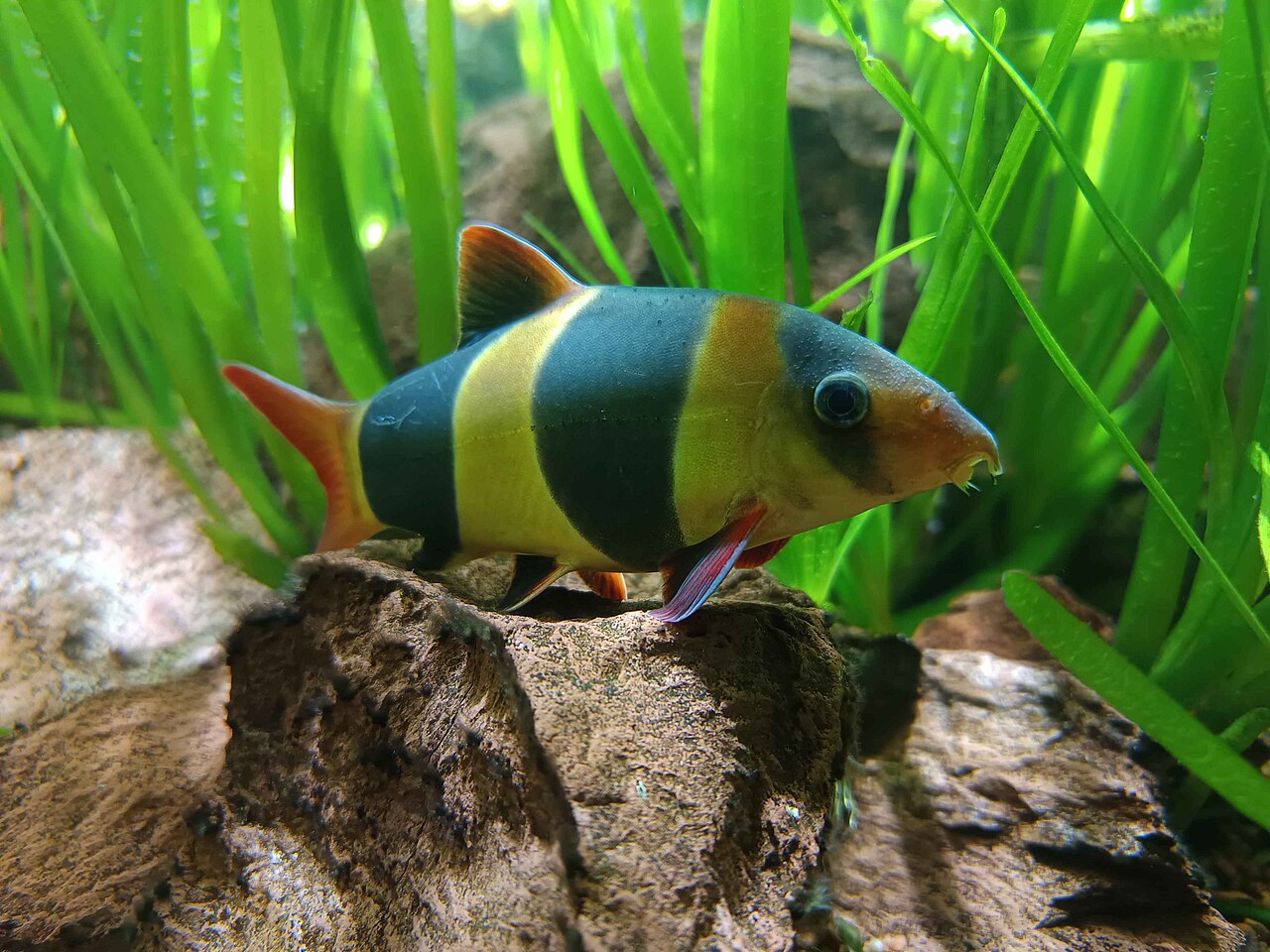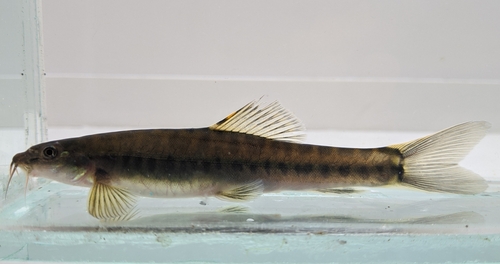
Phyton Loach
Nemacheilus cf. Spiniferus
Out of Stock
Scarce stock
Wild Caught
Moderate care
Not Reef Safe
SKU: 01-A-29-011-15
The Phyton Loach is a unique freshwater fish with striking patterns and a peaceful demeanor.
Pricing for Verified Importers
Log in to see wholesale prices and order.
Export Size
up to 10.0 cm
Origin
Southeast Asia
Temperature
22.0–28.0°C
Min. Tank Size
100 L
pH
6.50–7.50
Diet
omnivore
The Phyton Loach (Nemacheilus cf. Spiniferus) is an intriguing freshwater fish native to the rivers and streams of Southeast Asia, particularly found in the lush environments of Bali, Indonesia. This species is celebrated for its distinctive coloration and patterning, which can vary from shades of brown to bright yellow bands, making it an attractive addition to any freshwater aquarium. With its elongated body and subtle fins, the Phyton Loach has a streamlined appearance that allows it to navigate swiftly through rocky substrates and dense vegetation.
Natural history reveals that the Phyton Loach is a bottom-dwelling fish, often seen foraging among pebbles and plants for food. They are known to be quite social, often found in small groups, which enhances their lively nature in an aquarium setting. Their behavior is characterized by a curious and active temperament, as they interact with their surroundings and other tank mates. In the wild, they play an essential role in the ecosystem by helping to control algae growth and maintaining the health of their aquatic habitat.
In terms of habitat, the Phyton Loach prefers slow-moving waters with plenty of hiding spots, such as under rocks and within dense plant life. This preference for sheltered environments makes them sensitive to changes in water quality and temperature, highlighting the importance of a stable aquatic environment in captivity. Their natural habitats are often rich in biodiversity, which supports their adaptability and resilience.
Overall, the Phyton Loach is a captivating species that not only enhances the aesthetic appeal of an aquarium but also contributes to its ecological balance. They are an excellent choice for both novice and experienced aquarists looking to add a unique freshwater species to their collection.
Natural history reveals that the Phyton Loach is a bottom-dwelling fish, often seen foraging among pebbles and plants for food. They are known to be quite social, often found in small groups, which enhances their lively nature in an aquarium setting. Their behavior is characterized by a curious and active temperament, as they interact with their surroundings and other tank mates. In the wild, they play an essential role in the ecosystem by helping to control algae growth and maintaining the health of their aquatic habitat.
In terms of habitat, the Phyton Loach prefers slow-moving waters with plenty of hiding spots, such as under rocks and within dense plant life. This preference for sheltered environments makes them sensitive to changes in water quality and temperature, highlighting the importance of a stable aquatic environment in captivity. Their natural habitats are often rich in biodiversity, which supports their adaptability and resilience.
Overall, the Phyton Loach is a captivating species that not only enhances the aesthetic appeal of an aquarium but also contributes to its ecological balance. They are an excellent choice for both novice and experienced aquarists looking to add a unique freshwater species to their collection.
To successfully care for the Phyton Loach, maintaining optimal water parameters is crucial. They thrive in a temperature range of 22-28°C, with a pH level between 6.5 and 7.5. Regular water changes and filtration are essential to keep the environment clean and stable. A minimum tank size of 100 liters is recommended to provide ample swimming space and hiding spots, as they appreciate a well-aquascaped habitat with rocks and plants.
Feeding the Phyton Loach is straightforward, as they are omnivorous and enjoy a varied diet. High-quality sinking pellets, frozen or live foods like bloodworms, and blanched vegetables are excellent options to ensure their nutritional needs are met. It’s important to feed small amounts multiple times a day to mimic their natural foraging behavior.
In terms of compatibility, the Phyton Loach is generally peaceful and can coexist with other community fish. However, larger or more aggressive species should be avoided. When introducing them to a new tank, gradual acclimation is necessary to minimize stress; floating the sealed bag in the tank for about 15-20 minutes before releasing the fish is recommended. Quarantine new arrivals for at least two weeks to prevent the spread of potential diseases, ensuring a healthy start in their new environment.
Feeding the Phyton Loach is straightforward, as they are omnivorous and enjoy a varied diet. High-quality sinking pellets, frozen or live foods like bloodworms, and blanched vegetables are excellent options to ensure their nutritional needs are met. It’s important to feed small amounts multiple times a day to mimic their natural foraging behavior.
In terms of compatibility, the Phyton Loach is generally peaceful and can coexist with other community fish. However, larger or more aggressive species should be avoided. When introducing them to a new tank, gradual acclimation is necessary to minimize stress; floating the sealed bag in the tank for about 15-20 minutes before releasing the fish is recommended. Quarantine new arrivals for at least two weeks to prevent the spread of potential diseases, ensuring a healthy start in their new environment.
The Phyton Loach is suitable for shipping due to its hardy nature, provided that proper care is taken during transport. Packing density should allow for adequate oxygen exchange, with a recommendation of 1-2 fish per liter of water. It is crucial to maintain a stable temperature between 20-24°C during shipping, as sudden temperature fluctuations can stress the fish. There are no CITES restrictions on this species, making it easier for importers and wholesalers to acquire without additional regulatory concerns.
Species Parameters
Max Adult Size
10.0 cm
Origin
Southeast Asia
Diet
omnivore
Temp Min
22.0 °C
Temp Max
28.0 °C
pH Min
6.50
pH Max
7.50
Min Tank
100 L