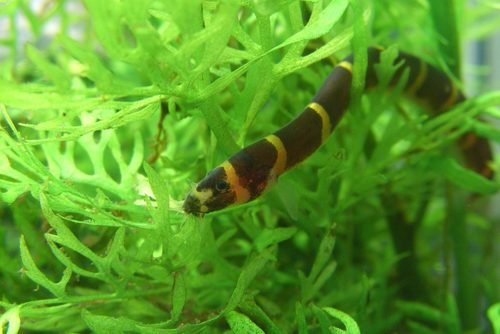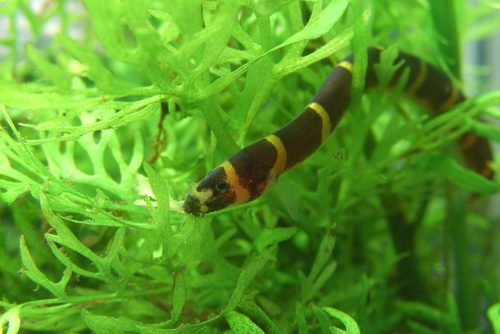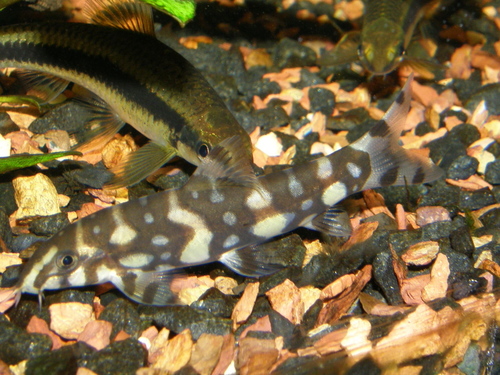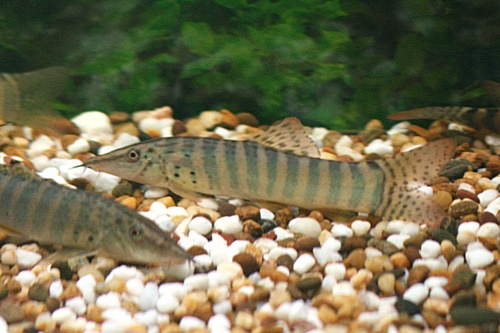
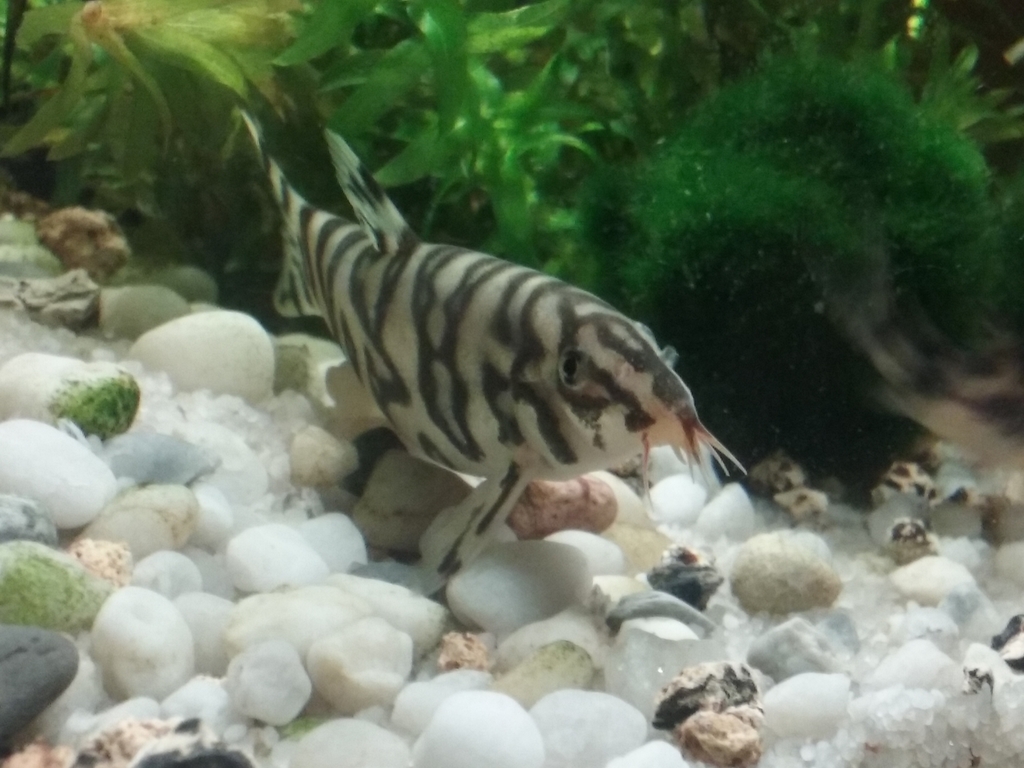
Yasuhikotakia Splendida Loach
Botia splendida
In Stock
Common stock
Wild Caught
Moderate care
Not Reef Safe
SKU: 01-A-29-050-06
The Yasuhikotakia Splendida Loach is a vibrant freshwater species known for its striking coloration and playful nature.
Pricing for Verified Importers
Log in to see wholesale prices and order.
Export Size
up to 15.0 cm
Origin
Southeast Asia
Temperature
24.0–28.0°C
Min. Tank Size
100 L
pH
6.50–7.50
Diet
omnivore
Yasuhikotakia splendida, commonly known as the splendid loach, is a captivating freshwater fish native to the rivers of Southeast Asia, particularly in Indonesia. This species is characterized by its lively behavior and stunning appearance, which features a blend of gold, orange, and black markings that create a striking visual display in any aquarium setting. They are part of the Botiidae family and are known for their sociable nature, often forming schools in their natural habitat.
In the wild, splendid loaches inhabit fast-flowing rivers and streams, where they can be found hiding among rocks and vegetation. Their natural environment is rich in oxygen, which is essential for their well-being. The loach's body is elongated, allowing it to navigate swiftly through the currents, and its barbels help it forage for food in the substrate. These fish are also known for their playful antics, often engaging in social interactions and explorations of their surroundings.
Behaviorally, Yasuhikotakia splendida is quite active and exhibits a curious disposition. They thrive in groups, so it is recommended to keep them in schools of at least five individuals to promote natural behaviors and reduce stress. These loaches are also known to be bottom-dwellers, often scavenging for food and interacting with other species in community tanks. Their dynamic swimming patterns and inquisitive nature make them a delightful addition to any aquarium.
Overall, the splendid loach is not just a visually stunning species but also an engaging one, making it a popular choice among aquarium enthusiasts and wholesalers alike. Their compatibility with various freshwater species further enhances their appeal for community tank setups.
In the wild, splendid loaches inhabit fast-flowing rivers and streams, where they can be found hiding among rocks and vegetation. Their natural environment is rich in oxygen, which is essential for their well-being. The loach's body is elongated, allowing it to navigate swiftly through the currents, and its barbels help it forage for food in the substrate. These fish are also known for their playful antics, often engaging in social interactions and explorations of their surroundings.
Behaviorally, Yasuhikotakia splendida is quite active and exhibits a curious disposition. They thrive in groups, so it is recommended to keep them in schools of at least five individuals to promote natural behaviors and reduce stress. These loaches are also known to be bottom-dwellers, often scavenging for food and interacting with other species in community tanks. Their dynamic swimming patterns and inquisitive nature make them a delightful addition to any aquarium.
Overall, the splendid loach is not just a visually stunning species but also an engaging one, making it a popular choice among aquarium enthusiasts and wholesalers alike. Their compatibility with various freshwater species further enhances their appeal for community tank setups.
To successfully maintain Yasuhikotakia splendida, it is essential to replicate their natural habitat as closely as possible. The ideal water parameters include a temperature range of 24-28°C, a pH level between 6.5 and 7.5, and a moderate water flow to mimic their native river environments. Regular water changes and good filtration are crucial to ensure high oxygen levels and maintain water quality.
Feeding these loaches is straightforward, as they are omnivores and appreciate a varied diet. High-quality sinking pellets, frozen or live foods such as bloodworms and brine shrimp, and blanched vegetables will ensure they receive the necessary nutrients. It is important to provide food that reaches the bottom, as these fish prefer to forage.
In terms of tank mates, Yasuhikotakia splendida is generally compatible with other peaceful freshwater species. However, they may exhibit territorial behavior if kept in smaller groups, so providing ample space and hiding spots is essential for their comfort. Acclimation should be done gradually to minimize stress, and a quarantine period of at least two weeks is recommended for new arrivals to prevent disease transmission.
Overall, with proper care and attention to their specific needs, Yasuhikotakia splendida can thrive in a well-maintained community aquarium, providing an engaging experience for both importers and retailers.
Feeding these loaches is straightforward, as they are omnivores and appreciate a varied diet. High-quality sinking pellets, frozen or live foods such as bloodworms and brine shrimp, and blanched vegetables will ensure they receive the necessary nutrients. It is important to provide food that reaches the bottom, as these fish prefer to forage.
In terms of tank mates, Yasuhikotakia splendida is generally compatible with other peaceful freshwater species. However, they may exhibit territorial behavior if kept in smaller groups, so providing ample space and hiding spots is essential for their comfort. Acclimation should be done gradually to minimize stress, and a quarantine period of at least two weeks is recommended for new arrivals to prevent disease transmission.
Overall, with proper care and attention to their specific needs, Yasuhikotakia splendida can thrive in a well-maintained community aquarium, providing an engaging experience for both importers and retailers.
Yasuhikotakia splendida is suitable for shipping due to its hardiness, but careful packing is vital to ensure their well-being during transit. A packing density of 1-2 fish per liter is recommended to avoid stress. Ideal shipping temperatures range from 24-26°C. As a non-CITES species, they do not have specific export restrictions, making them an accessible choice for wholesalers.
Species Parameters
Max Adult Size
15.0 cm
Origin
Southeast Asia
Diet
omnivore
Temp Min
24.0 °C
Temp Max
28.0 °C
pH Min
6.50
pH Max
7.50
Min Tank
100 L