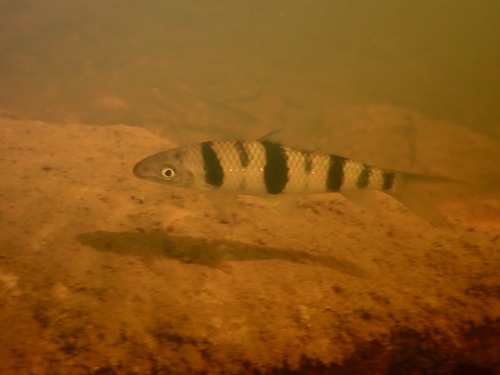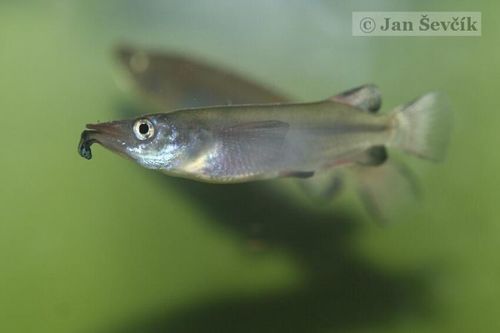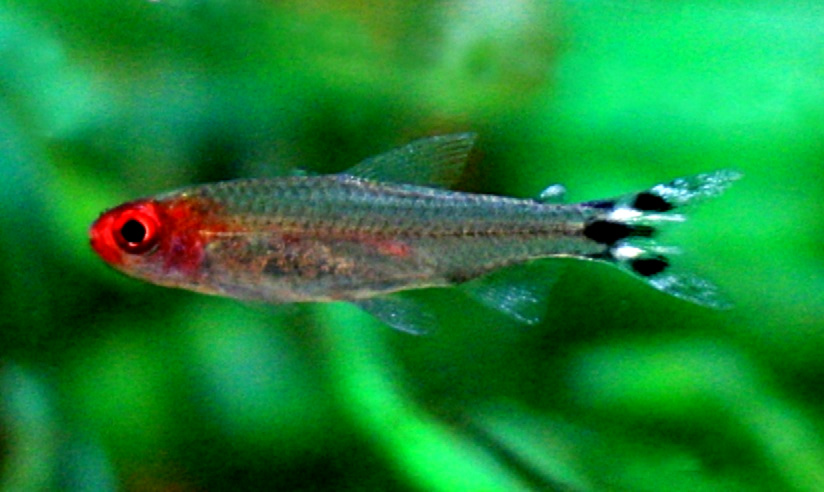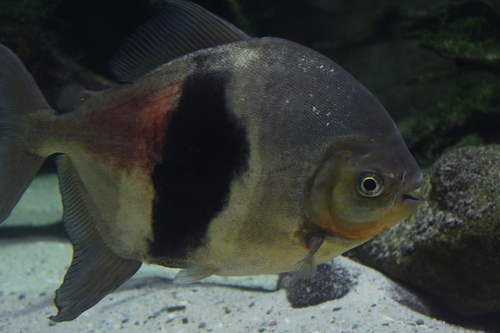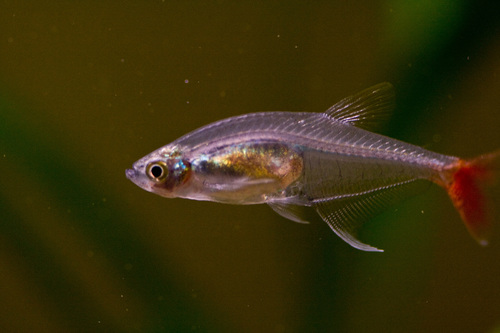
Glass Bloodfin
Prionobrama filigera
In Stock
Common stock
Wild Caught
Moderate care
Not Reef Safe
SKU: 01-A-14-057-04
The Glass Bloodfin dazzles with its transparent body and vibrant fins, making it a unique aquarium addition.
Pricing for Verified Importers
Log in to see wholesale prices and order.
Export Size
up to 5.0 cm
Origin
Southeast Asia
Temperature
22.0–28.0°C
Min. Tank Size
50 L
pH
6.50–7.50
Diet
omnivore
The Glass Bloodfin (Prionobrama filigera) is a captivating freshwater fish that originates from the rivers of Southeast Asia, particularly in Indonesia. This species is known for its remarkable transparent body which allows for a stunning view of its internal structures. Its elongated shape and bright red fins create a striking contrast, making it a favorite among aquarists. Typically, the Glass Bloodfin reaches lengths of up to 5 cm (2 inches), making it a suitable choice for both nano and larger community aquariums.
In terms of behavior, the Glass Bloodfin is a peaceful and social species that thrives in groups. They are often seen swimming in the mid to upper levels of the aquarium, showcasing their vibrant colors. These fish prefer densely planted tanks where they can find cover and feel secure. Their natural habitat consists of slow-moving waters with ample vegetation, which they use for both shelter and foraging.
The diet of the Glass Bloodfin consists mainly of small aquatic invertebrates, algae, and detritus found in their natural habitat. In captivity, they adapt well to a varied diet that includes high-quality flake food, micro-pellets, and occasional live or frozen foods. Their active and curious nature makes them an engaging species to observe, particularly when feeding.
Overall, the Glass Bloodfin is not only a visually appealing species but also a hardy and adaptable fish that can thrive in a well-maintained aquarium environment. Their unique appearance and peaceful temperament make them an excellent choice for community tanks, enhancing the overall aesthetic of any aquatic display.
In terms of behavior, the Glass Bloodfin is a peaceful and social species that thrives in groups. They are often seen swimming in the mid to upper levels of the aquarium, showcasing their vibrant colors. These fish prefer densely planted tanks where they can find cover and feel secure. Their natural habitat consists of slow-moving waters with ample vegetation, which they use for both shelter and foraging.
The diet of the Glass Bloodfin consists mainly of small aquatic invertebrates, algae, and detritus found in their natural habitat. In captivity, they adapt well to a varied diet that includes high-quality flake food, micro-pellets, and occasional live or frozen foods. Their active and curious nature makes them an engaging species to observe, particularly when feeding.
Overall, the Glass Bloodfin is not only a visually appealing species but also a hardy and adaptable fish that can thrive in a well-maintained aquarium environment. Their unique appearance and peaceful temperament make them an excellent choice for community tanks, enhancing the overall aesthetic of any aquatic display.
To maintain the health of Glass Bloodfins, water parameters should be closely monitored. Ideal temperature ranges from 22°C to 28°C, with a pH level between 6.5 and 7.5. They prefer soft to moderately hard water, so regular testing and adjustments are recommended. When introducing Glass Bloodfins to a new tank, acclimation should be gradual, involving a slow introduction of tank water into the transport bag over several hours to minimize stress.
Feeding should consist of high-quality flake food, supplemented with live or frozen foods like brine shrimp and daphnia to ensure a balanced diet. Glass Bloodfins are generally compatible with other peaceful community fish, but care should be taken to avoid larger, aggressive species that may outcompete them for food or space. Quarantine new arrivals for at least two weeks before introducing them to the main tank to prevent the spread of diseases.
It's crucial to provide ample swimming space and hiding spots with plants or ornaments, as this will enhance their well-being and encourage natural behaviors. Regular water changes and filtration are essential to keep the environment clean and suitable for these delicate yet resilient fish.
Feeding should consist of high-quality flake food, supplemented with live or frozen foods like brine shrimp and daphnia to ensure a balanced diet. Glass Bloodfins are generally compatible with other peaceful community fish, but care should be taken to avoid larger, aggressive species that may outcompete them for food or space. Quarantine new arrivals for at least two weeks before introducing them to the main tank to prevent the spread of diseases.
It's crucial to provide ample swimming space and hiding spots with plants or ornaments, as this will enhance their well-being and encourage natural behaviors. Regular water changes and filtration are essential to keep the environment clean and suitable for these delicate yet resilient fish.
Glass Bloodfins are well-suited for shipping due to their hardy nature. They should be packed with plenty of oxygen and minimal water to reduce stress during transport. Maintaining a temperature between 22°C and 26°C is essential to prevent thermal shock. It is recommended to ship them in groups to minimize stress, while ensuring proper packing density. As of now, Glass Bloodfins are not listed under CITES, which facilitates their export.
Species Parameters
Max Adult Size
5.0 cm
Origin
Southeast Asia
Diet
omnivore
Temp Min
22.0 °C
Temp Max
28.0 °C
pH Min
6.50
pH Max
7.50
Min Tank
50 L