Metynnis Hypsauchen
Metynnis Hypsauchen
Out of Stock
Scarce stock
Wild Caught
Moderate care
Not Reef Safe
SKU: 01-A-14-032-03
Metynnis Hypsauchen is a vibrant and adaptable freshwater species, perfect for community tanks.
Pricing for Verified Importers
Log in to see wholesale prices and order.
Export Size
up to 15.0 cm
Origin
Southeast Asia
Temperature
24.0–28.0°C
Min. Tank Size
200 L
pH
6.00–7.50
Diet
omnivore
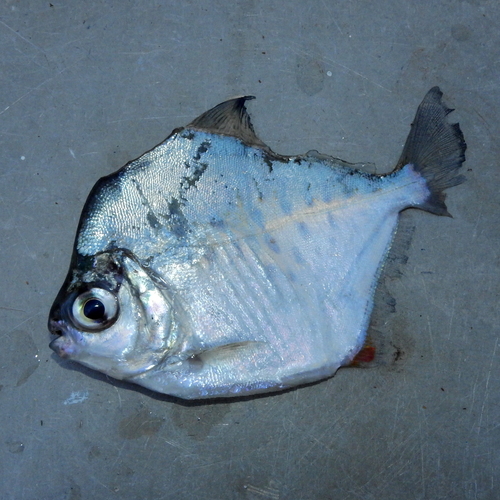
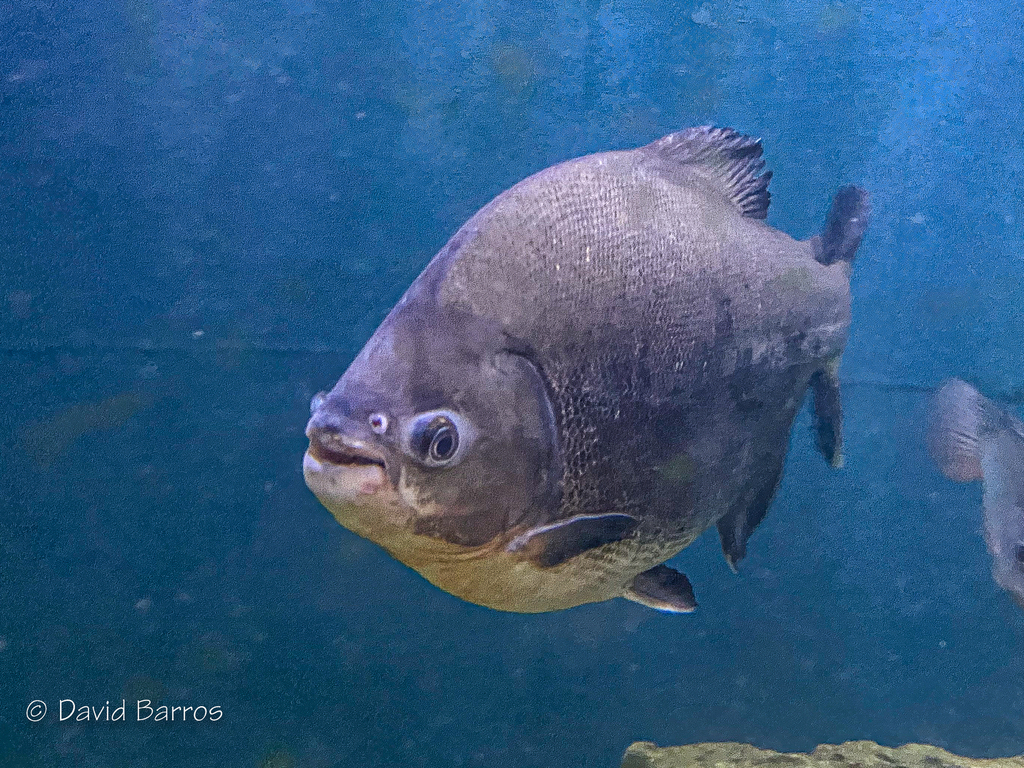
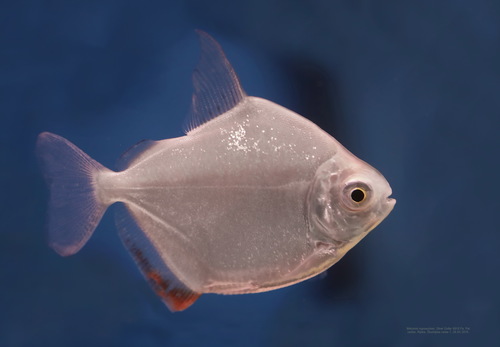
Metynnis Hypsauchen, commonly known as the silver dollar fish, is a striking freshwater species native to the rivers of South America. This species is particularly notable for its disc-shaped body and bright silvery scales, which not only enhance its aesthetic appeal but also play a crucial role in its natural environment by providing camouflage among reflective river surfaces. Adult Metynnis Hypsauchen can grow up to 15 cm in length, making them a sizeable addition to any aquarium, while their peaceful demeanor allows them to coexist harmoniously with various tank mates.
In the wild, Metynnis Hypsauchen inhabits slow-moving rivers and floodplain lakes, often forming large schools. Their social nature is reflected in the aquarium, where they thrive best in groups of at least six or more. This schooling behavior not only reduces stress but also showcases their natural display of swimming patterns. The fish are primarily herbivores, feeding on a diet of plant matter, fruits, and algae in their native habitats, which influences their dietary needs when kept in captivity.
Behaviorally, Metynnis Hypsauchen is known for its active swimming and curious nature. They are often seen foraging along the substrate or grazing on algae-covered surfaces, making them an engaging species for aquarists. Their natural habitat conditions—soft, slightly acidic water with plenty of vegetation—should be mimicked in home aquariums to ensure their well-being and encourage natural behaviors.
Overall, Metynnis Hypsauchen is not only a visually appealing species but also a fascinating one, thanks to their social structures and feeding habits. Their adaptability to various water conditions makes them a suitable choice for both novice and experienced aquarists looking to enhance their community tanks with a lively and vibrant fish.
In the wild, Metynnis Hypsauchen inhabits slow-moving rivers and floodplain lakes, often forming large schools. Their social nature is reflected in the aquarium, where they thrive best in groups of at least six or more. This schooling behavior not only reduces stress but also showcases their natural display of swimming patterns. The fish are primarily herbivores, feeding on a diet of plant matter, fruits, and algae in their native habitats, which influences their dietary needs when kept in captivity.
Behaviorally, Metynnis Hypsauchen is known for its active swimming and curious nature. They are often seen foraging along the substrate or grazing on algae-covered surfaces, making them an engaging species for aquarists. Their natural habitat conditions—soft, slightly acidic water with plenty of vegetation—should be mimicked in home aquariums to ensure their well-being and encourage natural behaviors.
Overall, Metynnis Hypsauchen is not only a visually appealing species but also a fascinating one, thanks to their social structures and feeding habits. Their adaptability to various water conditions makes them a suitable choice for both novice and experienced aquarists looking to enhance their community tanks with a lively and vibrant fish.
To maintain the health and vibrancy of Metynnis Hypsauchen, specific water parameters should be observed. Ideally, the water temperature should range between 24°C to 28°C with a pH level between 6.0 to 7.5. These fish prefer slightly acidic to neutral water, so regular monitoring and adjustments may be necessary. Since they thrive in groups, it is recommended to keep them in a minimum tank size of 200 liters to provide ample swimming space and reduce stress.
Feeding Metynnis Hypsauchen is straightforward as they are omnivorous. A varied diet consisting of high-quality flake food, sinking pellets, and fresh vegetables will keep them healthy and vibrant. Regular feedings should be provided, ensuring that they receive adequate nutrients to support their active lifestyle. Compatibility with other fish species is generally excellent, but it is advisable to avoid overly aggressive tank mates to keep the peaceful nature of these fish intact.
Acclimation is crucial when introducing Metynnis Hypsauchen to a new environment. A slow acclimatization process over several hours is recommended to minimize stress and potential shock. Quarantine new arrivals for at least two weeks to monitor for any signs of disease before adding them to the main tank. This practice helps ensure a healthy community and protects existing fish from potential pathogens.
Feeding Metynnis Hypsauchen is straightforward as they are omnivorous. A varied diet consisting of high-quality flake food, sinking pellets, and fresh vegetables will keep them healthy and vibrant. Regular feedings should be provided, ensuring that they receive adequate nutrients to support their active lifestyle. Compatibility with other fish species is generally excellent, but it is advisable to avoid overly aggressive tank mates to keep the peaceful nature of these fish intact.
Acclimation is crucial when introducing Metynnis Hypsauchen to a new environment. A slow acclimatization process over several hours is recommended to minimize stress and potential shock. Quarantine new arrivals for at least two weeks to monitor for any signs of disease before adding them to the main tank. This practice helps ensure a healthy community and protects existing fish from potential pathogens.
Metynnis Hypsauchen is suitable for shipping, provided that proper care is taken during the process. Packing density should allow for adequate water circulation and space, generally 5-7 fish per liter of water. Temperature sensitivity requires that shipping temperatures remain stable between 24°C and 28°C. While there are no CITES restrictions on this species, compliance with local regulations and best practices is essential to ensure their welfare during transport.
Species Parameters
Max Adult Size
15.0 cm
Origin
Southeast Asia
Diet
omnivore
Temp Min
24.0 °C
Temp Max
28.0 °C
pH Min
6.00
pH Max
7.50
Min Tank
200 L