Metynnis ternetzi
Metynnis ternetzi
In Stock
Common stock
Wild Caught
Moderate care
Not Reef Safe
SKU: 01-A-14-065-04
Metynnis ternetzi is a vibrant freshwater fish, perfect for community aquariums.
Pricing for Verified Importers
Log in to see wholesale prices and order.
Export Size
up to 10.0 cm
Origin
Amazon Basin
Temperature
24.0–28.0°C
Min. Tank Size
100 L
pH
6.00–7.50
Diet
omnivore
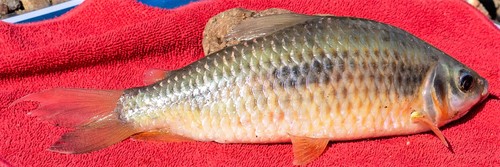
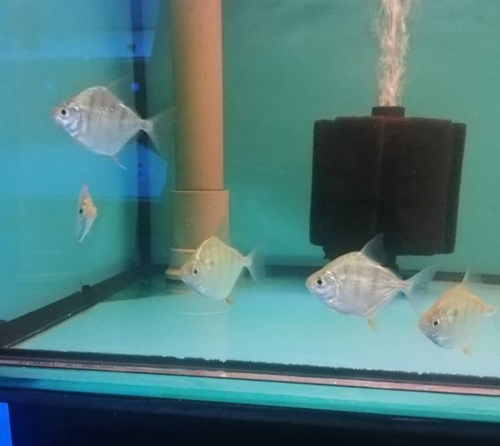
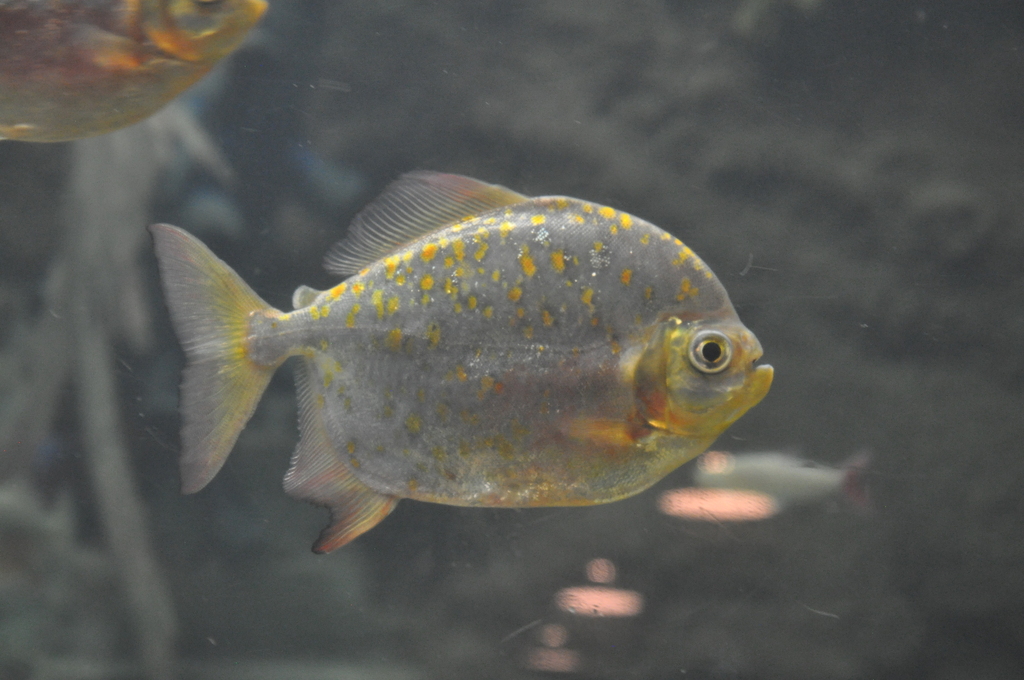
Metynnis ternetzi, commonly known as the Ternetzi Metynnis, is a striking freshwater fish native to the Amazon Basin. This species is characterized by its distinctive shape and beautiful coloration, which features a silvery body adorned with dark vertical stripes. These stripes intensify when the fish are excited or stressed, providing an impressive visual display. Growing up to 10 cm in length, Metynnis ternetzi is not only visually appealing but also exhibits a gentle demeanor, making it an excellent choice for community tanks.
In their natural habitat, Ternetzi Metynnis are typically found in slow-moving rivers and flooded forests, where they thrive in densely vegetated areas. They prefer warm, acidic waters, which are abundant in organic material. This environment contributes to their social behavior, as they are often seen in schools, which provides them with a sense of security. Their peaceful nature allows them to coexist harmoniously with a variety of other freshwater species, making them a popular choice among aquarists.
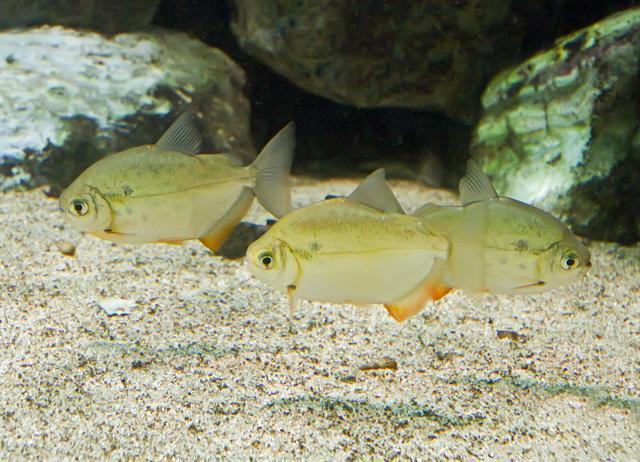
Behaviorally, Metynnis ternetzi is known for its lively and inquisitive character. They are active swimmers and enjoy exploring their surroundings. This species is diurnal, meaning it is most active during the day, which allows for ample viewing opportunities in an aquarium setting. Their schooling behavior is particularly captivating; keeping them in groups of six or more enhances their natural behaviors and reduces stress.
Overall, Metynnis ternetzi is not only a beautiful addition to any aquarium but also a fascinating species that contributes to the biodiversity of freshwater ecosystems. Their adaptability and peaceful nature make them suitable for both novice and experienced aquarists alike.
In their natural habitat, Ternetzi Metynnis are typically found in slow-moving rivers and flooded forests, where they thrive in densely vegetated areas. They prefer warm, acidic waters, which are abundant in organic material. This environment contributes to their social behavior, as they are often seen in schools, which provides them with a sense of security. Their peaceful nature allows them to coexist harmoniously with a variety of other freshwater species, making them a popular choice among aquarists.
Behaviorally, Metynnis ternetzi is known for its lively and inquisitive character. They are active swimmers and enjoy exploring their surroundings. This species is diurnal, meaning it is most active during the day, which allows for ample viewing opportunities in an aquarium setting. Their schooling behavior is particularly captivating; keeping them in groups of six or more enhances their natural behaviors and reduces stress.
Overall, Metynnis ternetzi is not only a beautiful addition to any aquarium but also a fascinating species that contributes to the biodiversity of freshwater ecosystems. Their adaptability and peaceful nature make them suitable for both novice and experienced aquarists alike.
To successfully care for Metynnis ternetzi, it is essential to maintain water parameters that closely resemble their natural habitat. The ideal temperature range is between 24°C to 28°C, with a pH level between 6.0 and 7.5. It's also important to keep the water clean and well-filtered, as these fish thrive in clear, oxygen-rich environments. A minimum tank size of 100 liters is recommended to accommodate their social nature and swimming needs.
Feeding Metynnis ternetzi is relatively straightforward, as they are omnivores. A varied diet consisting of high-quality flakes, pellets, and occasional live or frozen foods like brine shrimp or bloodworms will keep them healthy and vibrant. It’s advisable to feed them small portions two to three times a day to prevent overfeeding and maintain water quality.
Compatibility is another key aspect of their care. Metynnis ternetzi is known for its peaceful temperament, allowing them to coexist with other non-aggressive freshwater species. However, it is best to avoid keeping them with overly aggressive fish that may stress them out. Acclimation should be done slowly to reduce shock; floating the sealed bag in the aquarium for about 15 minutes before releasing the fish is recommended.
Quarantining new arrivals for at least two weeks is essential to prevent potential diseases from affecting your established tank. Monitor them closely for any signs of illness during this period, ensuring the health and well-being of your entire aquarium community.
Feeding Metynnis ternetzi is relatively straightforward, as they are omnivores. A varied diet consisting of high-quality flakes, pellets, and occasional live or frozen foods like brine shrimp or bloodworms will keep them healthy and vibrant. It’s advisable to feed them small portions two to three times a day to prevent overfeeding and maintain water quality.
Compatibility is another key aspect of their care. Metynnis ternetzi is known for its peaceful temperament, allowing them to coexist with other non-aggressive freshwater species. However, it is best to avoid keeping them with overly aggressive fish that may stress them out. Acclimation should be done slowly to reduce shock; floating the sealed bag in the aquarium for about 15 minutes before releasing the fish is recommended.
Quarantining new arrivals for at least two weeks is essential to prevent potential diseases from affecting your established tank. Monitor them closely for any signs of illness during this period, ensuring the health and well-being of your entire aquarium community.
Metynnis ternetzi is suitable for shipping under proper conditions. They should be packed in a way that allows for adequate oxygen and minimal stress during transit. A packing density of 1 fish per liter is recommended to ensure their comfort. These fish are sensitive to temperature fluctuations; therefore, maintaining a stable temperature between 22°C to 26°C during shipping is crucial. Currently, there are no CITES restrictions on this species.
Species Parameters
Max Adult Size
10.0 cm
Origin
Amazon Basin
Diet
omnivore
Temp Min
24.0 °C
Temp Max
28.0 °C
pH Min
6.00
pH Max
7.50
Min Tank
100 L