Striped Headstander
Anostomus anostomus
In Stock
Common stock
Wild Caught
Moderate care
SKU: AQ-FW-0040
The Striped Headstander is a unique freshwater fish known for its striking appearance and playful behavior.
Pricing for Verified Importers
Log in to see wholesale prices and order.
Export Size
up to 15.0 cm
Origin
Amazon Basin
Temperature
24.0–28.0°C
Min. Tank Size
150 L
pH
6.50–7.50
Diet
omnivore
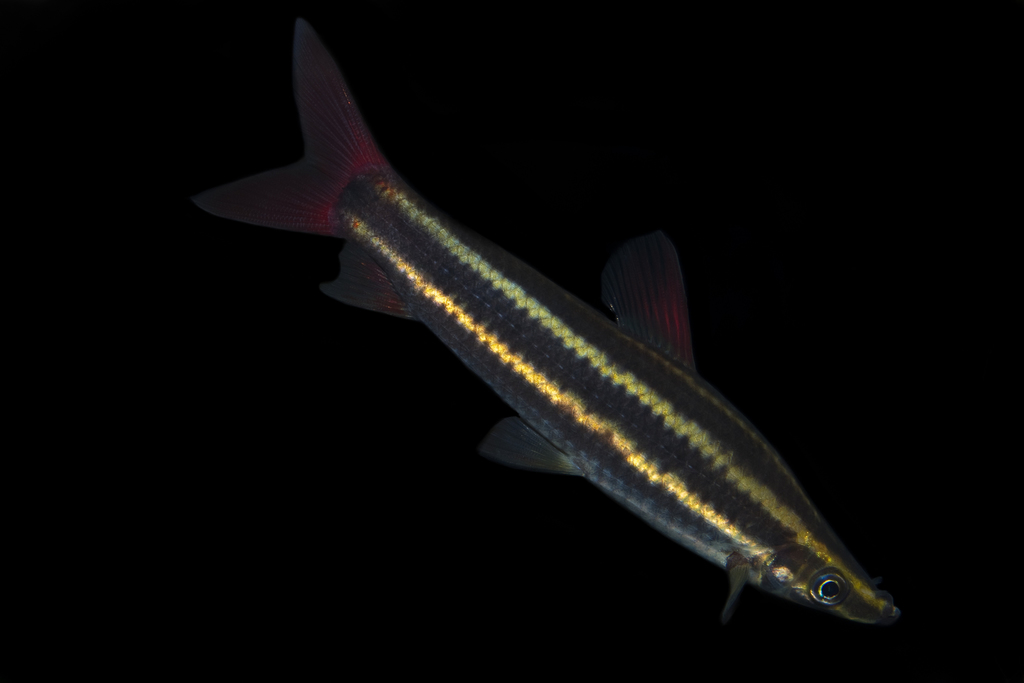
The Striped Headstander (Anostomus anostomus) is a fascinating species within the Anostomidae family, characterized by its vibrant striped pattern and distinctive head-standing behavior. This species is native to the freshwater rivers and streams of South America, particularly in the Amazon Basin, where it thrives in slow-moving waters rich in vegetation. The Striped Headstander is a schooling fish, often found in groups, which enhances its striking visual appeal in an aquarium setting.
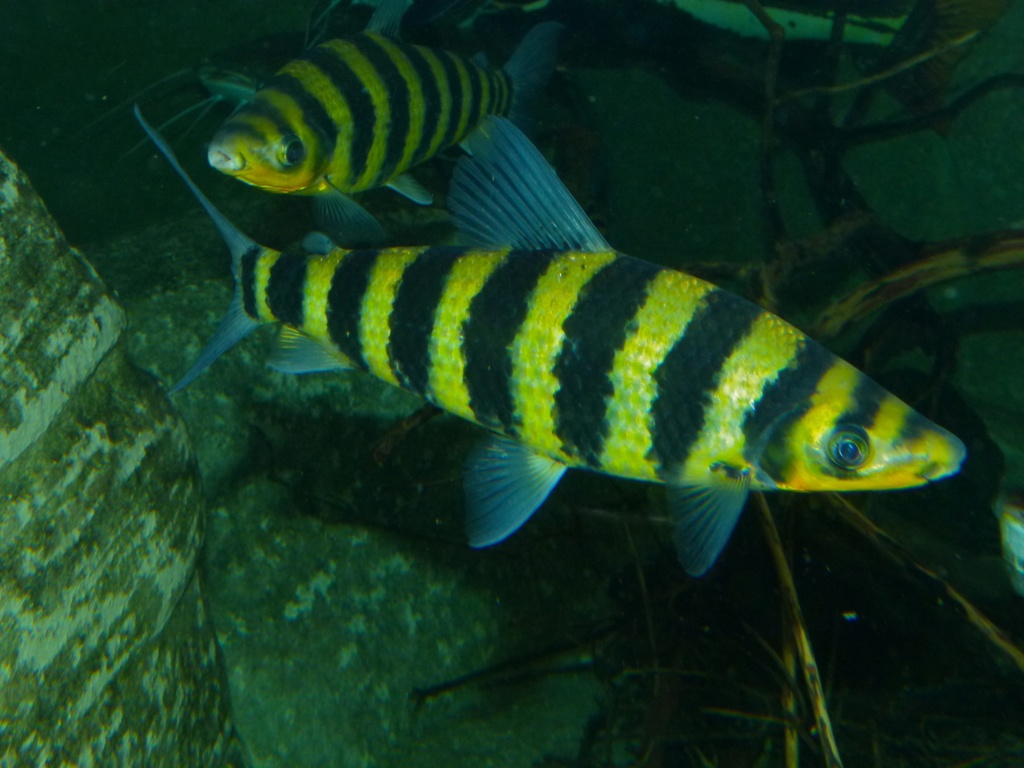
In terms of appearance, the Striped Headstander features a streamlined body with a combination of dark and light stripes, which not only serves as camouflage in its natural habitat but also makes it a visually striking addition to any aquarium. Typically, this fish can grow up to 15 cm in length, showcasing an elongated shape that is well-adapted for its environment. Its unique head-standing behavior, where it often positions itself vertically in the water column, adds to its charm and makes it a favorite among aquarists.
Behaviorally, the Striped Headstander is known for its active and social nature. It exhibits playful interactions with its school mates, often engaging in synchronized swimming and exploring their surroundings. This species appreciates a well-planted tank with plenty of space to swim, as well as hiding spots to reduce stress levels. While they are generally peaceful, they can display territorial behavior during breeding, thus it's essential to monitor their interactions in a community tank.
To maintain optimal health, the Striped Headstander requires a well-maintained environment that mimics its natural habitat. They thrive in warm, slightly acidic to neutral waters, which is essential for their overall well-being. Importers should ensure that these fish are sourced from sustainable practices to help preserve their populations in the wild.
In terms of appearance, the Striped Headstander features a streamlined body with a combination of dark and light stripes, which not only serves as camouflage in its natural habitat but also makes it a visually striking addition to any aquarium. Typically, this fish can grow up to 15 cm in length, showcasing an elongated shape that is well-adapted for its environment. Its unique head-standing behavior, where it often positions itself vertically in the water column, adds to its charm and makes it a favorite among aquarists.
Behaviorally, the Striped Headstander is known for its active and social nature. It exhibits playful interactions with its school mates, often engaging in synchronized swimming and exploring their surroundings. This species appreciates a well-planted tank with plenty of space to swim, as well as hiding spots to reduce stress levels. While they are generally peaceful, they can display territorial behavior during breeding, thus it's essential to monitor their interactions in a community tank.
To maintain optimal health, the Striped Headstander requires a well-maintained environment that mimics its natural habitat. They thrive in warm, slightly acidic to neutral waters, which is essential for their overall well-being. Importers should ensure that these fish are sourced from sustainable practices to help preserve their populations in the wild.
When caring for Striped Headstanders, it is essential to replicate their natural habitat as closely as possible. The ideal water parameters include a temperature range of 24-28°C and a pH of 6.5-7.5. Regular water changes and a filtration system that maintains water quality are critical for their health. Striped Headstanders are omnivorous and can be fed a varied diet of high-quality flake food, pellets, and occasional live or frozen foods like brine shrimp or bloodworms to ensure balanced nutrition.
These fish are best kept in groups of five or more to promote their social behavior, as they do not thrive when isolated. Compatibility-wise, they do well with other peaceful species, making them suitable for community tanks. Acclimation should be done slowly to prevent shock; introducing them to new tanks using a drip acclimation method is recommended. Additionally, a quarantine period of at least two weeks is advisable to monitor for any signs of disease before introducing them to the main tank.
It's important to provide ample swimming space and plenty of hiding spots using plants and decorations, as this will help reduce stress and encourage natural behaviors. Regularly monitoring their feeding habits and overall health will ensure that they remain vibrant and active.
These fish are best kept in groups of five or more to promote their social behavior, as they do not thrive when isolated. Compatibility-wise, they do well with other peaceful species, making them suitable for community tanks. Acclimation should be done slowly to prevent shock; introducing them to new tanks using a drip acclimation method is recommended. Additionally, a quarantine period of at least two weeks is advisable to monitor for any signs of disease before introducing them to the main tank.
It's important to provide ample swimming space and plenty of hiding spots using plants and decorations, as this will help reduce stress and encourage natural behaviors. Regularly monitoring their feeding habits and overall health will ensure that they remain vibrant and active.
The Striped Headstander is suitable for shipping due to its robust nature. They should be packed in breathable bags with sufficient water for their size, and it is advisable to limit packing density to avoid stress during transit. Maintaining a stable temperature of 24-28°C during shipping is crucial to ensure their health upon arrival. This species is not listed under CITES, making export straightforward under standard regulations.
Species Parameters
Max Adult Size
15.0 cm
Origin
Amazon Basin
Diet
omnivore
Temp Min
24.0 °C
Temp Max
28.0 °C
pH Min
6.50
pH Max
7.50
Min Tank
150 L