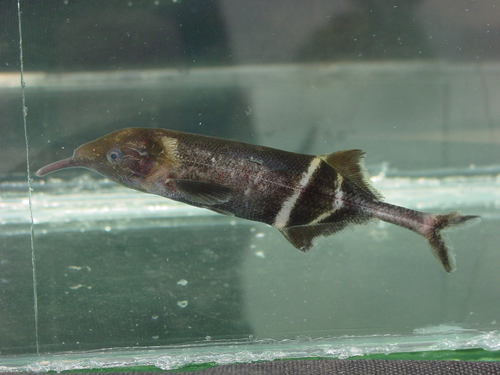
Elephant Nose Fish (single nose) (IDV-PACK)
Elephant nose fish (single nose)
Out of Stock
Scarce stock
Wild Caught
Moderate care
Not Reef Safe
SKU: 01-A-34-015-01
The Elephant Nose Fish captivates with its unique trunk-like snout and intriguing behavior.
Pricing for Verified Importers
Log in to see wholesale prices and order.
Export Size
up to 20.0 cm
Origin
West Africa
Temperature
24.0–28.0°C
Min. Tank Size
150 L
pH
6.00–7.50
Diet
carnivore
The Elephant Nose Fish (single nose) is a fascinating freshwater species native to the rivers of West Africa. Its distinctive elongated snout, resembling an elephant’s trunk, is equipped with electroreceptors that enable the fish to navigate and locate food in its often murky habitat. Typically, this fish exhibits a grayish-brown body with subtle patterns, which aids in camouflage among riverbed debris and plants.
In terms of behavior, the Elephant Nose Fish is known for its inquisitive nature and intelligence. It is a nocturnal species, primarily active during the night when it forages for small invertebrates and detritus. Socially, they can be quite interactive, often displaying unique behaviors such as swimming in circles or engaging in gentle nudges with tank mates. Their peaceful temperament makes them suitable for community aquariums, although they may become territorial during breeding.
The natural habitat of the Elephant Nose Fish includes slow-moving rivers, swamps, and floodplains, where they seek shelter among submerged vegetation and rocky crevices. They thrive in environments with ample hiding spots and subdued lighting. Maintaining a well-planted aquarium will help mimic their natural surroundings, which is essential for their well-being.
In captivity, these fish can display fascinating behaviors that provide insights into their social structure and environmental adaptability. Observing them in a suitable aquarium setting can offer an engaging experience for both hobbyists and researchers alike.
To ensure the health and well-being of the Elephant Nose Fish, it is crucial to maintain specific water parameters. Optimal temperature ranges from 24°C to 28°C, with a pH level between 6.0 and 7.5. A minimum tank size of 150 liters is recommended to provide ample space for swimming and hiding. This species prefers soft, slightly acidic water, so regular monitoring and adjustments may be necessary.
Diet-wise, the Elephant Nose Fish is primarily carnivorous, thriving on a diet of high-quality frozen or live foods such as bloodworms, brine shrimp, and small crustaceans. It is essential to provide a varied diet to ensure proper nutrition. Compatibility is generally good with other peaceful species; however, caution should be taken when housing with more aggressive fish, as they may become stressed.
Acclimation should be approached carefully; it is advisable to use a drip acclimation method to help the fish adjust to new water conditions gradually. A quarantine period of at least two weeks is recommended for new arrivals to monitor health and prevent the spread of diseases. Regular water changes and tank maintenance will further support a stable environment for these intriguing fish.
The Elephant Nose Fish is suitable for shipping but requires careful packing to ensure their safety during transit. A packing density of 1-2 fish per liter is recommended to minimize stress. They are sensitive to temperature fluctuations, so maintaining a stable temperature between 24°C and 28°C during shipping is crucial. There are currently no CITES restrictions on this species, but it is important to adhere to local regulations.
Species Parameters
Max Adult Size
20.0 cm
Origin
West Africa
Diet
carnivore
Temp Min
24.0 °C
Temp Max
28.0 °C
pH Min
6.00
pH Max
7.50
Min Tank
150 L