Ghost Glass Catfish
Kryptopterus vitreolus
Out of Stock
Scarce stock
Wild Caught
Moderate care
Not Reef Safe
SKU: 01-A-34-083-04
The Ghost Glass Catfish is a stunningly transparent species, perfect for unique aquascapes.
Pricing for Verified Importers
Log in to see wholesale prices and order.
Export Size
up to 10.0 cm
Origin
Southeast Asia
Temperature
24.0–28.0°C
Min. Tank Size
100 L
pH
6.00–7.50
Diet
omnivore
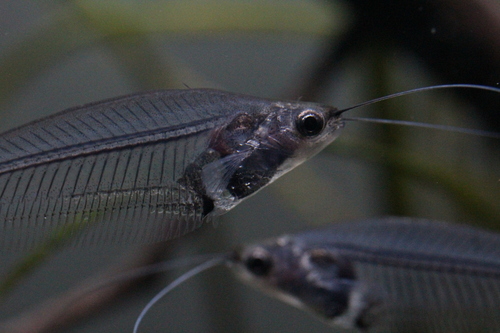
The Ghost Glass Catfish (Kryptopterus vitreolus) is an intriguing freshwater species known for its remarkable transparency, allowing it to blend seamlessly into its aquatic environment. This unique adaptation not only serves as a defensive mechanism against predators but also adds an ethereal quality to aquarium displays. Native to the rivers and streams of Southeast Asia, particularly in Indonesia, this species thrives in slow-moving waters with dense vegetation, which provides both shelter and foraging opportunities.
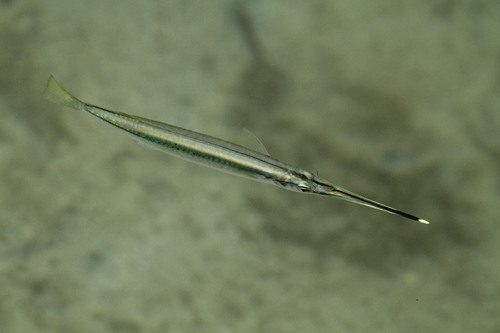
In terms of appearance, the Ghost Glass Catfish features a streamlined body that can grow up to 10 cm in length. Its transparent skin makes internal organs visible, which is a fascinating characteristic that captivates aquarists. The species has delicate, elongated fins that enhance its graceful swimming style, and its gentle demeanor makes it a peaceful addition to community tanks. The fish exhibits a subtle, shimmering effect when light passes through its body, creating a mesmerizing visual experience.
Behaviorally, Ghost Glass Catfish are social creatures that prefer to be kept in groups of at least five. They exhibit a peaceful disposition, making them suitable companions for other non-aggressive species. These catfish are primarily nocturnal, often becoming more active during the evening hours, which adds to their allure in a well-planned aquarium setup. They are known to explore their surroundings and forage for food within the substrate and among plants.
Their natural habitat consists of warm, soft, and slightly acidic waters, where they can find ample food sources such as small invertebrates and detritus. Replicating these conditions in captivity is essential for their well-being, ensuring that the Ghost Glass Catfish flourishes in your aquarium environment.
In terms of appearance, the Ghost Glass Catfish features a streamlined body that can grow up to 10 cm in length. Its transparent skin makes internal organs visible, which is a fascinating characteristic that captivates aquarists. The species has delicate, elongated fins that enhance its graceful swimming style, and its gentle demeanor makes it a peaceful addition to community tanks. The fish exhibits a subtle, shimmering effect when light passes through its body, creating a mesmerizing visual experience.
Behaviorally, Ghost Glass Catfish are social creatures that prefer to be kept in groups of at least five. They exhibit a peaceful disposition, making them suitable companions for other non-aggressive species. These catfish are primarily nocturnal, often becoming more active during the evening hours, which adds to their allure in a well-planned aquarium setup. They are known to explore their surroundings and forage for food within the substrate and among plants.
Their natural habitat consists of warm, soft, and slightly acidic waters, where they can find ample food sources such as small invertebrates and detritus. Replicating these conditions in captivity is essential for their well-being, ensuring that the Ghost Glass Catfish flourishes in your aquarium environment.
To successfully care for Ghost Glass Catfish, it is crucial to maintain stable water parameters. Ideal temperatures range from 24°C to 28°C, with a pH level between 6.0 and 7.5. Soft, slightly acidic water mimics their natural habitat and promotes healthy growth. A minimum tank size of 100 liters is recommended to provide adequate swimming space and promote social behavior.
Feeding these fish is relatively easy, as they are omnivorous. A varied diet of high-quality flake food, small pellets, and live or frozen foods such as daphnia and brine shrimp will keep them healthy and active. Ensure that their diet is well-balanced to prevent nutritional deficiencies. When introducing new fish, it's important to monitor compatibility; they do well with peaceful species such as tetras and rasboras but should be kept away from aggressive tank mates.
Acclimating Ghost Glass Catfish to a new environment should be done gradually to minimize stress. Float the sealed bag in the aquarium for about 15-20 minutes before releasing the fish, allowing them to adjust to the water temperature. Quarantine any new arrivals for at least two weeks to prevent potential disease transmission. Regular water changes and maintaining a clean tank environment will further enhance the health and longevity of your Ghost Glass Catfish.
Feeding these fish is relatively easy, as they are omnivorous. A varied diet of high-quality flake food, small pellets, and live or frozen foods such as daphnia and brine shrimp will keep them healthy and active. Ensure that their diet is well-balanced to prevent nutritional deficiencies. When introducing new fish, it's important to monitor compatibility; they do well with peaceful species such as tetras and rasboras but should be kept away from aggressive tank mates.
Acclimating Ghost Glass Catfish to a new environment should be done gradually to minimize stress. Float the sealed bag in the aquarium for about 15-20 minutes before releasing the fish, allowing them to adjust to the water temperature. Quarantine any new arrivals for at least two weeks to prevent potential disease transmission. Regular water changes and maintaining a clean tank environment will further enhance the health and longevity of your Ghost Glass Catfish.
Ghost Glass Catfish are suitable for shipping but require careful handling due to their delicate nature. Packing density should be moderate, allowing adequate space to prevent injury during transport. Maintain an optimal shipping temperature between 24-26°C to avoid stress. Ensure proper oxygenation within the shipping bags. This species is not listed under CITES, simplifying export regulations.
Species Parameters
Max Adult Size
10.0 cm
Origin
Southeast Asia
Diet
omnivore
Temp Min
24.0 °C
Temp Max
28.0 °C
pH Min
6.00
pH Max
7.50
Min Tank
100 L