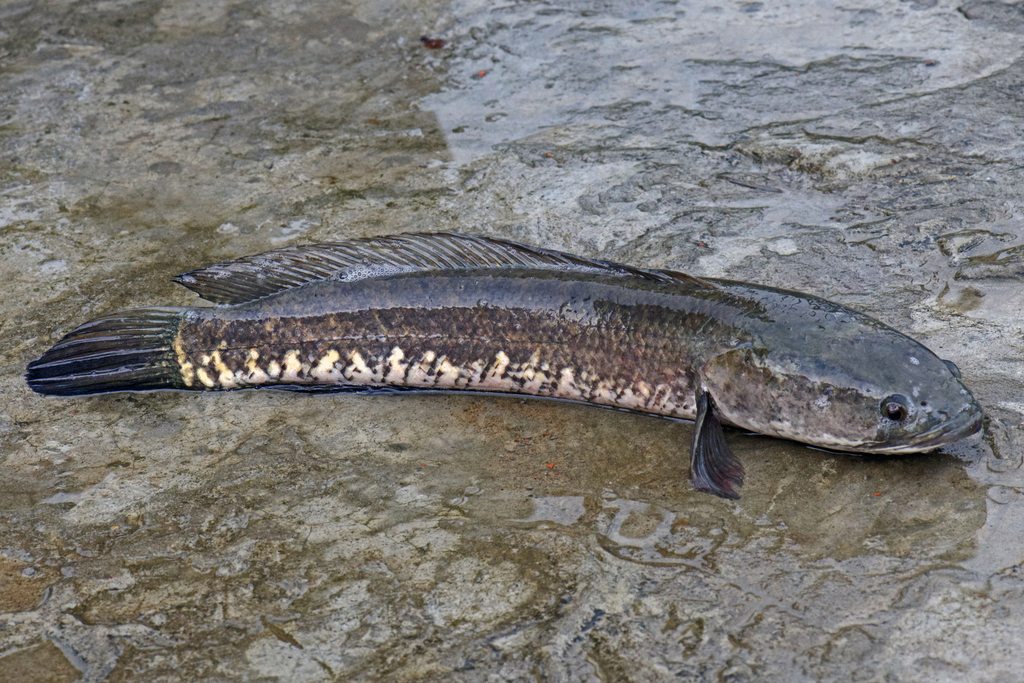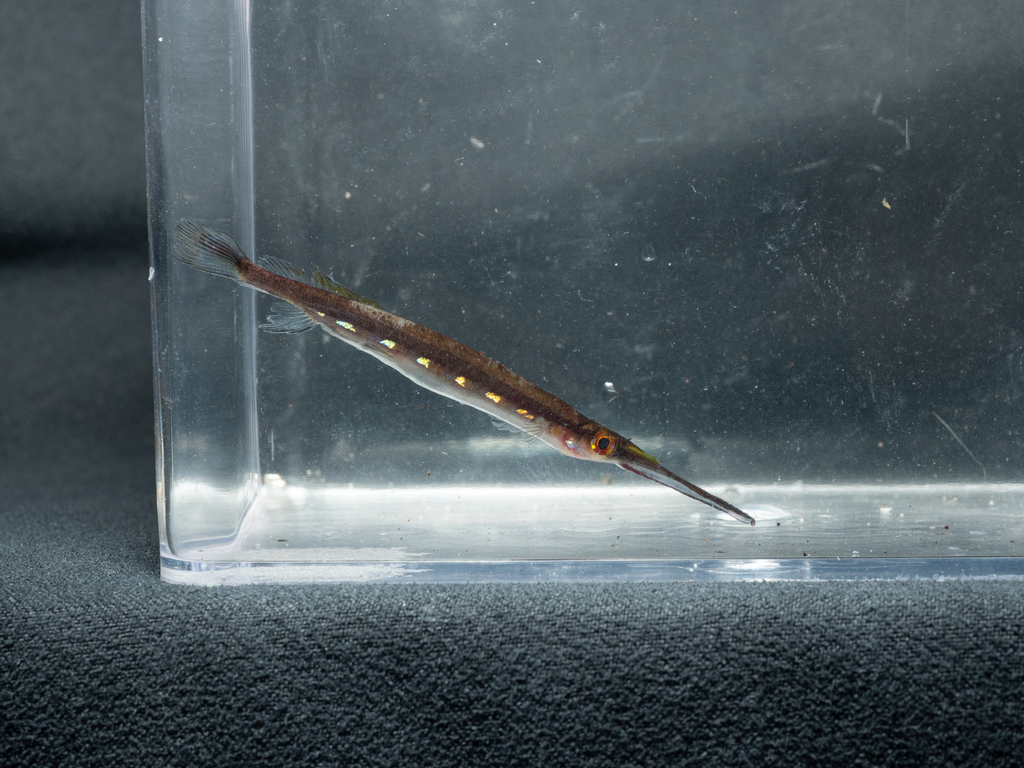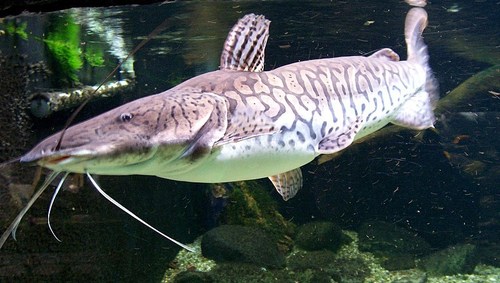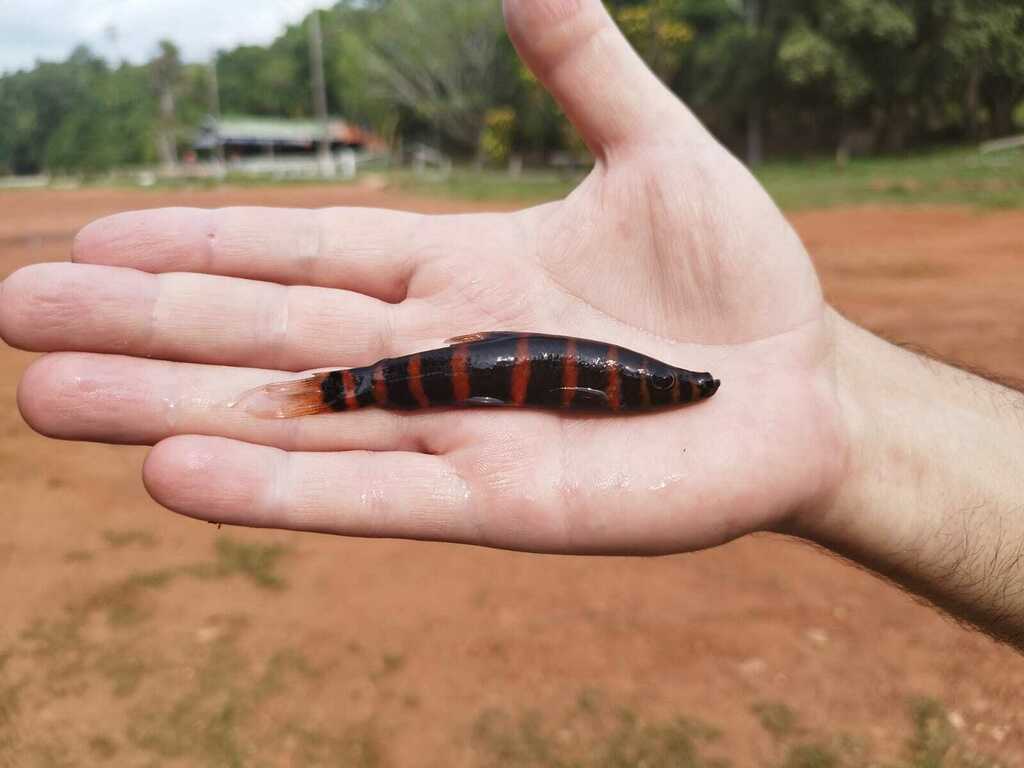
Synaptolaemus cingulatus
Synaptolaemus cingulatus
In Stock
Common stock
Wild Caught
Moderate care
Not Reef Safe
SKU: 01-A-34-363-02
Synaptolaemus cingulatus, a rare gem of freshwater ecosystems, captivates with its unique appearance and behavior.
Pricing for Verified Importers
Log in to see wholesale prices and order.
Export Size
up to 15.0 cm
Origin
Southeast Asia
Temperature
24.0–28.0°C
Min. Tank Size
100 L
pH
6.50–7.50
Diet
carnivore
Synaptolaemus cingulatus, commonly known as the banded knifefish, is a fascinating freshwater species native to the rivers and streams of Southeast Asia, particularly in Indonesia. This species is notable for its elongated body and distinctive banding pattern, which provides camouflage among the aquatic vegetation. Adult specimens can reach a maximum length of approximately 15 cm, making them a modest yet visually striking addition to any freshwater aquarium.
In terms of behavior, Synaptolaemus cingulatus is largely nocturnal, preferring to stay hidden during the day. They exhibit a unique swimming style that resembles gliding, which allows them to navigate through dense aquatic environments with ease. Their diet primarily consists of small invertebrates, making them opportunistic feeders that are active hunters during twilight hours. This species is also known for its interesting social interactions, often displaying territorial behavior when establishing dominance among peers.
The natural habitat of Synaptolaemus cingulatus includes slow-moving waters with ample vegetation, where they can find cover and food. This preference for densely vegetated areas makes it essential for aquarists to replicate similar conditions in captivity to ensure their well-being. They thrive in environments with plenty of hiding spots, such as plants, driftwood, and rocks, which mimic their natural surroundings. Maintaining a stable ecosystem with proper filtration and regular maintenance is crucial for their health and vitality.
In terms of behavior, Synaptolaemus cingulatus is largely nocturnal, preferring to stay hidden during the day. They exhibit a unique swimming style that resembles gliding, which allows them to navigate through dense aquatic environments with ease. Their diet primarily consists of small invertebrates, making them opportunistic feeders that are active hunters during twilight hours. This species is also known for its interesting social interactions, often displaying territorial behavior when establishing dominance among peers.
The natural habitat of Synaptolaemus cingulatus includes slow-moving waters with ample vegetation, where they can find cover and food. This preference for densely vegetated areas makes it essential for aquarists to replicate similar conditions in captivity to ensure their well-being. They thrive in environments with plenty of hiding spots, such as plants, driftwood, and rocks, which mimic their natural surroundings. Maintaining a stable ecosystem with proper filtration and regular maintenance is crucial for their health and vitality.
When caring for Synaptolaemus cingulatus, it's essential to maintain optimal water parameters to promote health and longevity. The ideal temperature range for this species is between 24°C to 28°C, with a pH level of 6.5 to 7.5. As a freshwater fish, they do not require salinity, and it is vital to ensure that the water is well-filtered and free from pollutants.
Feeding should consist of high-quality pellets, frozen or live food, including small shrimp and worms, to satisfy their carnivorous diet. Offering a varied diet will promote optimal growth and health. In terms of compatibility, Synaptolaemus cingulatus can be housed with other peaceful species, but caution is advised as they can display territorial behavior, especially during breeding periods. Acclimation to a new environment should be gradual, allowing the fish to adjust to changes in temperature and water chemistry.
Quarantine new arrivals for at least two weeks before introducing them to the main tank to prevent the spread of potential diseases. Regular water changes and monitoring of water quality will help maintain a healthy environment for this unique species.
Feeding should consist of high-quality pellets, frozen or live food, including small shrimp and worms, to satisfy their carnivorous diet. Offering a varied diet will promote optimal growth and health. In terms of compatibility, Synaptolaemus cingulatus can be housed with other peaceful species, but caution is advised as they can display territorial behavior, especially during breeding periods. Acclimation to a new environment should be gradual, allowing the fish to adjust to changes in temperature and water chemistry.
Quarantine new arrivals for at least two weeks before introducing them to the main tank to prevent the spread of potential diseases. Regular water changes and monitoring of water quality will help maintain a healthy environment for this unique species.
Synaptolaemus cingulatus is suitable for shipping, provided proper care is taken during transport. Packing density should be moderate to reduce stress, with adequate oxygenation in the shipping bags. Temperature sensitivity is crucial; maintain shipping temperatures between 24°C to 28°C to ensure the fish's well-being. This species is not listed under CITES, simplifying export regulations.
Species Parameters
Max Adult Size
15.0 cm
Origin
Southeast Asia
Diet
carnivore
Temp Min
24.0 °C
Temp Max
28.0 °C
pH Min
6.50
pH Max
7.50
Min Tank
100 L