Leucistic Limbata Dwarf Snakehead
Channa limbata
Out of Stock
Scarce stock
Wild Caught
Moderate care
Not Reef Safe
SKU: 01-A-34-358-03
The Leucistic Limbata Dwarf Snakehead is a stunning freshwater predator, known for its unique leucistic coloration.
Pricing for Verified Importers
Log in to see wholesale prices and order.
Export Size
up to 20.0 cm
Origin
Southeast Asia
Temperature
24.0–30.0°C
Min. Tank Size
100 L
pH
6.50–7.50
Diet
carnivore
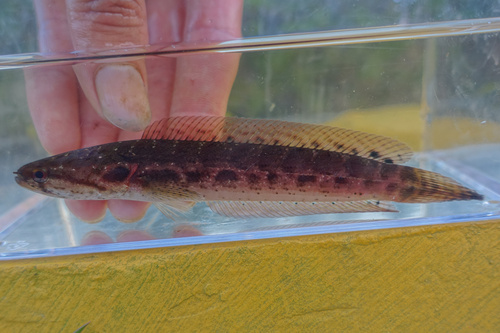
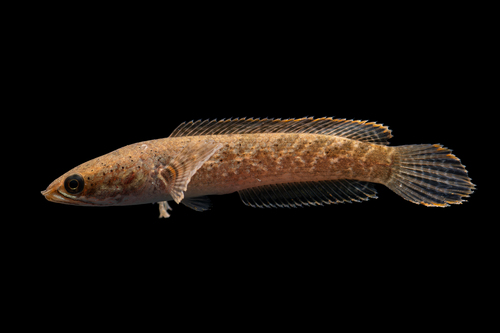
The Leucistic Limbata Dwarf Snakehead (Channa limbata) is a rare and visually striking freshwater fish native to Southeast Asia, particularly found in the waterways of Indonesia. This species is characterized by its pale body color, which is a result of leucism—a genetic condition that reduces pigmentation. Unlike typical snakeheads, which display darker hues, the leucistic variant exhibits a creamy white or light yellow body with faint patterns, making it a sought-after specimen for aquarists and collectors alike.
In terms of behavior, the Leucistic Limbata Dwarf Snakehead is known for its territorial nature and predatory instincts. It is a carnivore, primarily feeding on smaller fish and invertebrates in its natural habitat. These fish are often seen lurking among submerged vegetation, using their excellent camouflage to ambush prey. The Dwarf Snakehead is also capable of breathing air, allowing it to thrive in environments with low oxygen levels, a trait that enhances its survival in various freshwater settings.
Typically inhabiting shallow waters, swamps, and rice paddies, the Leucistic Limbata Dwarf Snakehead prefers warm temperatures and is often found in habitats rich in aquatic plants. These areas provide both cover for hunting and breeding grounds. As a species, they are adapted to a range of water conditions but are sensitive to drastic environmental changes, which can impact their health and well-being.
Overall, the Leucistic Limbata Dwarf Snakehead is not just a captivating addition to aquariums due to its unique appearance, but also a fascinating species that showcases the diversity of freshwater ecosystems in Southeast Asia.
In terms of behavior, the Leucistic Limbata Dwarf Snakehead is known for its territorial nature and predatory instincts. It is a carnivore, primarily feeding on smaller fish and invertebrates in its natural habitat. These fish are often seen lurking among submerged vegetation, using their excellent camouflage to ambush prey. The Dwarf Snakehead is also capable of breathing air, allowing it to thrive in environments with low oxygen levels, a trait that enhances its survival in various freshwater settings.
Typically inhabiting shallow waters, swamps, and rice paddies, the Leucistic Limbata Dwarf Snakehead prefers warm temperatures and is often found in habitats rich in aquatic plants. These areas provide both cover for hunting and breeding grounds. As a species, they are adapted to a range of water conditions but are sensitive to drastic environmental changes, which can impact their health and well-being.
Overall, the Leucistic Limbata Dwarf Snakehead is not just a captivating addition to aquariums due to its unique appearance, but also a fascinating species that showcases the diversity of freshwater ecosystems in Southeast Asia.
For successful care of the Leucistic Limbata Dwarf Snakehead, it is crucial to maintain optimal water parameters. The ideal temperature range is between 24-30°C, with a pH level between 6.5 and 7.5. Regular water changes and good filtration are essential to keep ammonia and nitrite levels low, as this species is sensitive to poor water quality. A minimum tank size of 100 liters is recommended to provide ample swimming space and territory.
Feeding should consist primarily of high-quality carnivorous pellets, live or frozen foods such as bloodworms, minnows, and shrimp. It is advisable to feed smaller portions multiple times a day, as these fish have a high metabolism and require a protein-rich diet to thrive. Compatibility can be an issue, as this species can be aggressive towards tank mates; therefore, it is best housed alone or with similarly sized, robust fish that can withstand its predatory nature.
Acclimation is crucial when introducing the Leucistic Limbata Dwarf Snakehead to a new tank. Use a slow drip acclimation method to minimize stress. Quarantine new arrivals for at least two weeks to monitor for signs of disease before introducing them to the main tank. This species may also benefit from a well-planted environment that mimics its natural habitat, providing both cover and hunting grounds.
Feeding should consist primarily of high-quality carnivorous pellets, live or frozen foods such as bloodworms, minnows, and shrimp. It is advisable to feed smaller portions multiple times a day, as these fish have a high metabolism and require a protein-rich diet to thrive. Compatibility can be an issue, as this species can be aggressive towards tank mates; therefore, it is best housed alone or with similarly sized, robust fish that can withstand its predatory nature.
Acclimation is crucial when introducing the Leucistic Limbata Dwarf Snakehead to a new tank. Use a slow drip acclimation method to minimize stress. Quarantine new arrivals for at least two weeks to monitor for signs of disease before introducing them to the main tank. This species may also benefit from a well-planted environment that mimics its natural habitat, providing both cover and hunting grounds.
The Leucistic Limbata Dwarf Snakehead is suitable for shipping due to its hardiness, but precautions must be taken to ensure temperature stability during transit. Packing density should allow for adequate space to prevent injury, ideally shipping with 1-2 fish per liter of water. Maintaining a temperature range of 24-28°C during shipping is essential to reduce stress. This species is not listed under CITES, facilitating smoother export processes.
Species Parameters
Max Adult Size
20.0 cm
Origin
Southeast Asia
Diet
carnivore
Temp Min
24.0 °C
Temp Max
30.0 °C
pH Min
6.50
pH Max
7.50
Min Tank
100 L