PAPUA Bumblebee Grouper
Epinephelus lanceolatus
Out of Stock
Scarce stock
Wild Caught
Moderate care
Not Reef Safe
SKU: 01-A-34-339-04
The PAPUA Bumblebee Grouper is a vibrant and striking species known for its bold coloration and predatory nature.
Pricing for Verified Importers
Log in to see wholesale prices and order.
Export Size
up to 100.0 cm
Origin
Coral Triangle
Temperature
24.0–28.0°C
Min. Tank Size
500 L
pH
8.00–8.40
Diet
carnivore
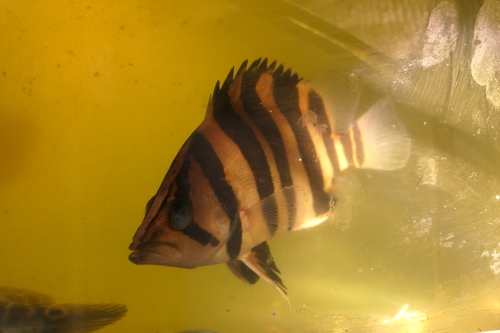
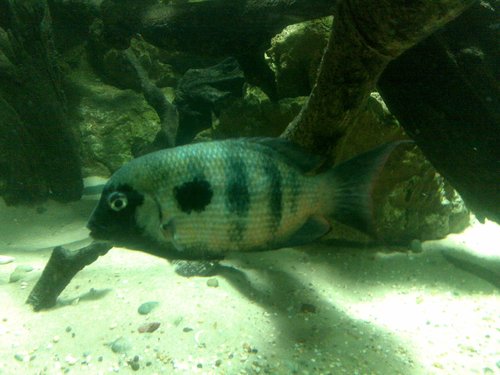
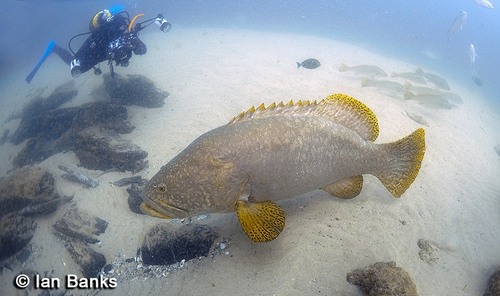
The PAPUA Bumblebee Grouper (Epinephelus lanceolatus) is a captivating species found predominantly in the coral reefs of the Coral Triangle, particularly around Papua New Guinea and Indonesia. This species is renowned for its distinctive coloration, which features a striking pattern of yellow and black bands that resemble the markings of a bumblebee. As they mature, their coloration can shift, becoming more muted but equally impressive. Typically, they can grow to a maximum size of around 100 cm, making them one of the larger groupers within their habitat.
In terms of behavior, PAPUA Bumblebee Groupers are generally solitary and territorial. They are ambush predators, utilizing their excellent camouflage and patience to hunt smaller fish and invertebrates that venture too close. This species is also known to exhibit some level of social behavior, particularly during breeding seasons, where males will display to attract females. Their natural habitat consists of rocky substrates and coral reefs, where they find ample shelter and hunting grounds.
The PAPUA Bumblebee Grouper is primarily found at depths ranging from 5 to 50 meters. They prefer areas with plenty of hiding spots, such as crevices and overhangs, which allow them to stalk prey effectively. As a reef-associated species, they are sensitive to habitat degradation, making conservation efforts essential to ensure their survival in the wild. They play a vital role in maintaining the ecological balance of reef ecosystems by controlling fish populations.
Overall, the PAPUA Bumblebee Grouper is not only a stunning addition to any aquarium but also a critical species for marine biodiversity. Their unique appearance and fascinating behavior make them a sought-after choice for both public aquariums and private collectors alike.
In terms of behavior, PAPUA Bumblebee Groupers are generally solitary and territorial. They are ambush predators, utilizing their excellent camouflage and patience to hunt smaller fish and invertebrates that venture too close. This species is also known to exhibit some level of social behavior, particularly during breeding seasons, where males will display to attract females. Their natural habitat consists of rocky substrates and coral reefs, where they find ample shelter and hunting grounds.
The PAPUA Bumblebee Grouper is primarily found at depths ranging from 5 to 50 meters. They prefer areas with plenty of hiding spots, such as crevices and overhangs, which allow them to stalk prey effectively. As a reef-associated species, they are sensitive to habitat degradation, making conservation efforts essential to ensure their survival in the wild. They play a vital role in maintaining the ecological balance of reef ecosystems by controlling fish populations.
Overall, the PAPUA Bumblebee Grouper is not only a stunning addition to any aquarium but also a critical species for marine biodiversity. Their unique appearance and fascinating behavior make them a sought-after choice for both public aquariums and private collectors alike.
The PAPUA Bumblebee Grouper requires a well-maintained aquarium with a minimum tank size of 500 liters to accommodate their size and territorial nature. The ideal water parameters include a temperature range of 24-28°C, a pH level between 8.0 and 8.4, and stable salinity levels typical of marine environments (35 ppt). It is crucial to maintain high water quality through regular filtration and water changes, as this species is sensitive to poor conditions.
Feeding these groupers involves a diet rich in protein, primarily consisting of high-quality marine pellets, frozen fish, and live prey such as shrimp or small fish. They are opportunistic feeders, so it is important to ensure they receive a varied diet to promote health and coloration. When introducing them to a new aquarium, acclimation should be gradual to minimize stress, ideally over several hours.
Compatibility is an important consideration, as these groupers can be aggressive towards smaller fish and other groupers. They do well with larger, robust species but should be kept with caution in community tanks. Quarantine procedures are advisable for new arrivals to prevent the introduction of diseases. A 2-4 week quarantine period is recommended before adding them to the main display tank, ensuring they are healthy and disease-free.
Feeding these groupers involves a diet rich in protein, primarily consisting of high-quality marine pellets, frozen fish, and live prey such as shrimp or small fish. They are opportunistic feeders, so it is important to ensure they receive a varied diet to promote health and coloration. When introducing them to a new aquarium, acclimation should be gradual to minimize stress, ideally over several hours.
Compatibility is an important consideration, as these groupers can be aggressive towards smaller fish and other groupers. They do well with larger, robust species but should be kept with caution in community tanks. Quarantine procedures are advisable for new arrivals to prevent the introduction of diseases. A 2-4 week quarantine period is recommended before adding them to the main display tank, ensuring they are healthy and disease-free.
The PAPUA Bumblebee Grouper is suitable for shipping due to its hardy nature when acclimated properly. Packing density should allow for adequate space to reduce stress during transport. Maintain water temperatures between 24-28°C during shipping, as they are sensitive to temperature fluctuations. This species is not listed under CITES, allowing for easier export and trade.
Species Parameters
Max Adult Size
100.0 cm
Origin
Coral Triangle
Diet
carnivore
Temp Min
24.0 °C
Temp Max
28.0 °C
pH Min
8.00
pH Max
8.40
Min Tank
500 L