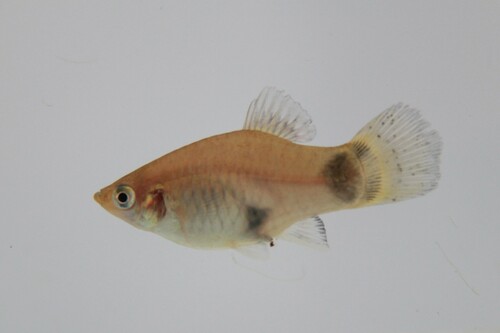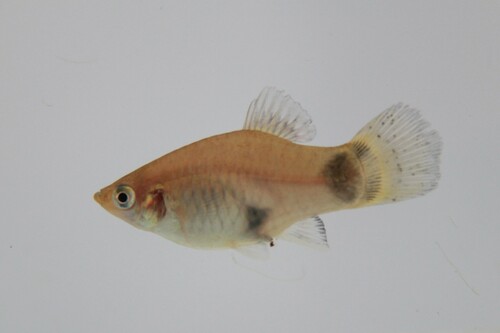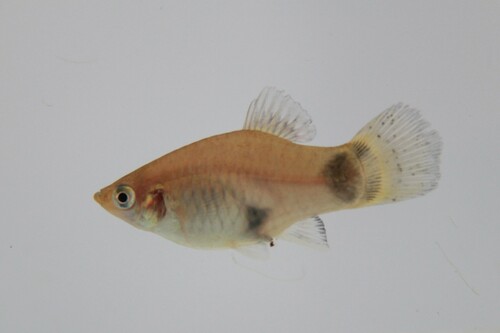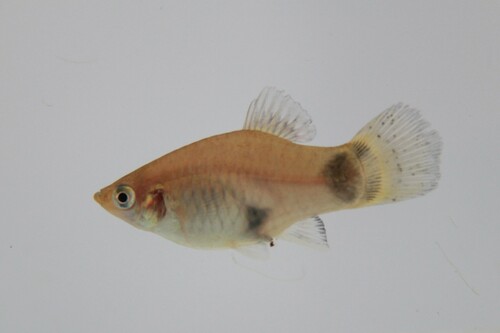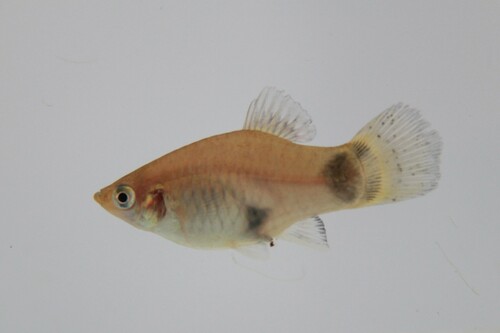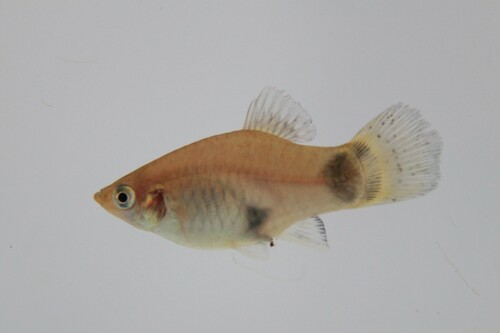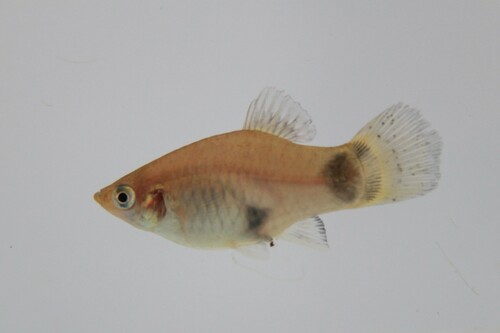
Blue Platy
Xiphophorus maculatus
In Stock
Common stock
Wild Caught
Easy care
Not Reef Safe
SKU: 01-A-22-026-04
The Blue Platy is a vibrant, hardy freshwater fish perfect for community aquariums.
Pricing for Verified Importers
Log in to see wholesale prices and order.
Export Size
up to 6.0 cm
Origin
North and Central America
Temperature
22.0–28.0°C
Min. Tank Size
40 L
pH
6.80–8.00
Diet
omnivore
The Blue Platy (Xiphophorus maculatus) is a captivating freshwater fish native to the warm waters of North and Central America, particularly from Veracruz, Mexico, to northern Belize. This species belongs to the Poeciliidae family and is known for its stunning coloration and peaceful demeanor, making it a favored choice among aquarium enthusiasts. The Blue Platy's body is generally oval and laterally compressed, showcasing a lively blue hue that can make them a striking addition to any tank setting.
In addition to their vivid appearance, Blue Platys are live-bearers, meaning they give birth to free-swimming young rather than laying eggs. This reproductive strategy allows for a more dynamic population in community tanks, as they can quickly reproduce under favorable conditions. Males are typically smaller and more colorful than females, which tend to be larger and more subdued in color, often exhibiting a more rounded belly due to pregnancy.
Behaviorally, Blue Platys are known for their friendly and social nature, thriving in groups and displaying a level of curiosity that can be quite entertaining for observers. They prefer to inhabit densely vegetated areas in the wild, where they can find both cover and food. In aquariums, they are best kept in groups of five or more to promote natural behaviors and reduce stress.
Their adaptability to different environments makes them suitable for both beginner and experienced aquarists. With proper care, Blue Platys can live for several years, providing ongoing enjoyment in home aquariums or commercial settings.
In addition to their vivid appearance, Blue Platys are live-bearers, meaning they give birth to free-swimming young rather than laying eggs. This reproductive strategy allows for a more dynamic population in community tanks, as they can quickly reproduce under favorable conditions. Males are typically smaller and more colorful than females, which tend to be larger and more subdued in color, often exhibiting a more rounded belly due to pregnancy.
Behaviorally, Blue Platys are known for their friendly and social nature, thriving in groups and displaying a level of curiosity that can be quite entertaining for observers. They prefer to inhabit densely vegetated areas in the wild, where they can find both cover and food. In aquariums, they are best kept in groups of five or more to promote natural behaviors and reduce stress.
Their adaptability to different environments makes them suitable for both beginner and experienced aquarists. With proper care, Blue Platys can live for several years, providing ongoing enjoyment in home aquariums or commercial settings.
To ensure the health and vitality of Blue Platys, it is essential to maintain stable water parameters. Ideal conditions include a temperature range of 22-28°C, a pH of 6.8-8.0, and a well-filtered, clean environment. When setting up their tank, a minimum size of 40 liters is recommended to allow ample swimming space and to accommodate their social nature.
Feeding Blue Platys is straightforward, as they are omnivorous and thrive on a varied diet. High-quality flake food, supplemented with live or frozen foods such as brine shrimp and daphnia, will support their nutritional needs. It is vital to avoid overfeeding and to provide a balanced diet to maintain their vibrant colors and overall health.
In terms of compatibility, Blue Platys are peaceful and can coexist with many other freshwater species. Suitable tank mates include other livebearers, tetras, and small catfish. However, avoid aggressive species that may stress them. Acclimation to a new environment should be gradual; use the drip method to ensure they adapt well to changes in water chemistry.
Quarantine new arrivals for at least two weeks to prevent the introduction of diseases to your main tank. Regular water changes and monitoring behavior will help keep your Blue Platys thriving in any commercial or home aquarium setup.
Feeding Blue Platys is straightforward, as they are omnivorous and thrive on a varied diet. High-quality flake food, supplemented with live or frozen foods such as brine shrimp and daphnia, will support their nutritional needs. It is vital to avoid overfeeding and to provide a balanced diet to maintain their vibrant colors and overall health.
In terms of compatibility, Blue Platys are peaceful and can coexist with many other freshwater species. Suitable tank mates include other livebearers, tetras, and small catfish. However, avoid aggressive species that may stress them. Acclimation to a new environment should be gradual; use the drip method to ensure they adapt well to changes in water chemistry.
Quarantine new arrivals for at least two weeks to prevent the introduction of diseases to your main tank. Regular water changes and monitoring behavior will help keep your Blue Platys thriving in any commercial or home aquarium setup.
Blue Platys are suitable for shipping as they are hardy fish. When packing, ensure optimal density to minimize stress, typically around 5-6 fish per liter of water. Maintain a temperature range of 22-25°C during transport to ensure their well-being. As they are not listed under CITES, there are no restrictions on their export.
Species Parameters
Max Adult Size
6.0 cm
Origin
North and Central America
Diet
omnivore
Temp Min
22.0 °C
Temp Max
28.0 °C
pH Min
6.80
pH Max
8.00
Min Tank
40 L