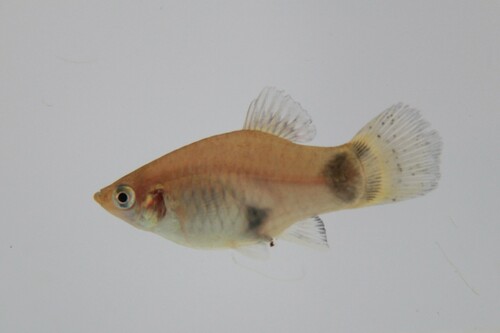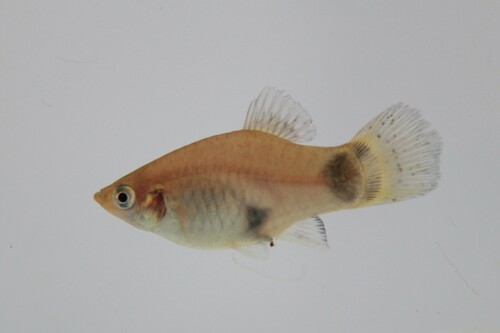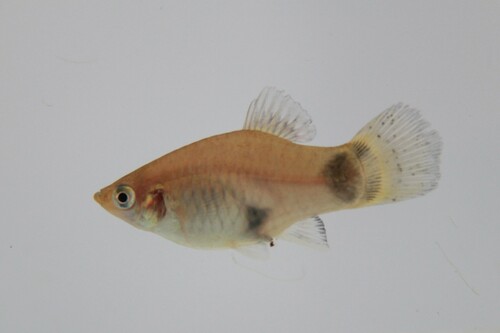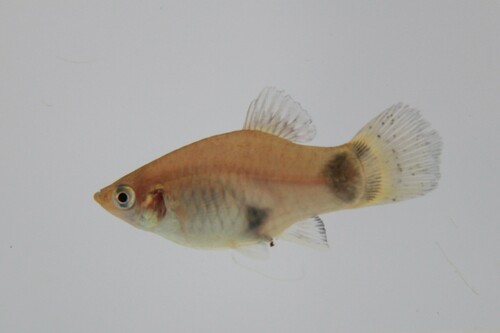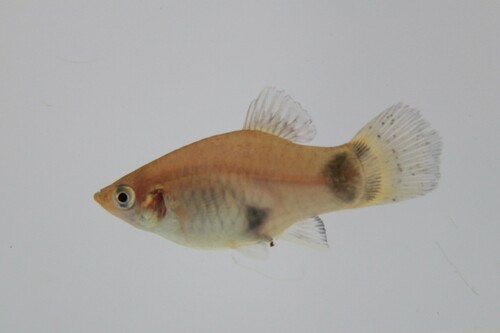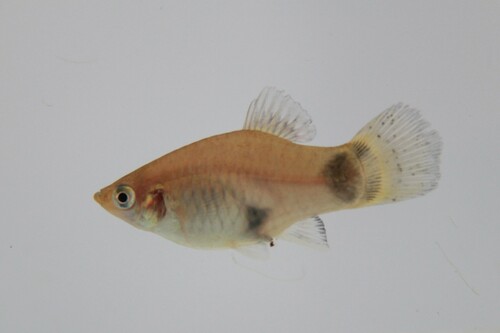
Panda Platy
Xiphophorus maculatus
In Stock
Scarce stock
Tank Bred
Easy care
Not Reef Safe
SKU: 01-A-22-029-04
The Panda Platy is a vibrant freshwater fish known for its striking appearance and friendly nature.
Pricing for Verified Importers
Log in to see wholesale prices and order.
Export Size
up to 5.0 cm
Origin
North and Central America
Temperature
24.0–28.0°C
Min. Tank Size
40 L
pH
6.50–8.00
Diet
omnivore
The Panda Platy (Xiphophorus maculatus) is a colorful member of the Poeciliidae family, known for its playful demeanor and adaptability. This species is native to the freshwater systems of North and Central America, particularly from Veracruz, Mexico, to northern Belize. The Panda Platy is a live-bearer, which means it gives birth to free-swimming young rather than laying eggs, making it an engaging choice for aquarists who enjoy observing the reproductive processes of their fish.
Typically, the Panda Platy displays a beautiful blend of black and white coloration, reminiscent of the iconic panda bear, which is what gives it its name. Their size usually ranges up to 5 cm as adults, and their rounded bodies and short fins contribute to their appealing aesthetic. These fish are known for their sociable behavior, often seen swimming in groups, which enhances their visual impact in community tanks.
In their natural habitat, Panda Platies thrive in warm, shallow waters such as streams and ponds, where they can find plenty of vegetation to hide in and forage. These fish are also known to inhabit areas with a sandy substrate, which they use to forage for food. The presence of plants creates an ideal environment for them, providing both shelter and breeding grounds. As a result, when housed in aquaria, they appreciate a well-planted tank with ample swimming space.
Panda Platies are not only visually stunning but also relatively easy to care for, making them a favorite among both novice and experienced aquarists. Their peaceful nature allows them to coexist with various other species, making them an excellent addition to community tanks.
Typically, the Panda Platy displays a beautiful blend of black and white coloration, reminiscent of the iconic panda bear, which is what gives it its name. Their size usually ranges up to 5 cm as adults, and their rounded bodies and short fins contribute to their appealing aesthetic. These fish are known for their sociable behavior, often seen swimming in groups, which enhances their visual impact in community tanks.
In their natural habitat, Panda Platies thrive in warm, shallow waters such as streams and ponds, where they can find plenty of vegetation to hide in and forage. These fish are also known to inhabit areas with a sandy substrate, which they use to forage for food. The presence of plants creates an ideal environment for them, providing both shelter and breeding grounds. As a result, when housed in aquaria, they appreciate a well-planted tank with ample swimming space.
Panda Platies are not only visually stunning but also relatively easy to care for, making them a favorite among both novice and experienced aquarists. Their peaceful nature allows them to coexist with various other species, making them an excellent addition to community tanks.
To ensure the optimal health of Panda Platies, maintain water temperatures between 24°C and 28°C, with a pH level ranging from 6.5 to 8.0. These fish prefer soft to moderately hard water and thrive best in a tank of at least 40 liters to accommodate their social behavior. A well-aerated tank with a filtration system is essential to keep the water quality high.
Feeding Panda Platies is straightforward, as they are omnivores; they enjoy a varied diet that includes high-quality flake food, frozen or live foods such as brine shrimp and daphnia, as well as vegetable matter like blanched spinach or algae wafers. Regular feeding should be done two to three times a day, ensuring that excess food is not left in the tank to maintain water quality.
Compatibility is another strong point for Panda Platies; they are peaceful and get along well with other community fish, including tetras, guppies, and corydoras. When introducing new fish, it is advisable to acclimate them slowly to avoid stress. A quarantine period of at least two weeks for new arrivals can help prevent potential diseases from spreading to the main tank. Regular water changes of 10-15% per week will also help maintain a healthy environment for your Panda Platies.
Feeding Panda Platies is straightforward, as they are omnivores; they enjoy a varied diet that includes high-quality flake food, frozen or live foods such as brine shrimp and daphnia, as well as vegetable matter like blanched spinach or algae wafers. Regular feeding should be done two to three times a day, ensuring that excess food is not left in the tank to maintain water quality.
Compatibility is another strong point for Panda Platies; they are peaceful and get along well with other community fish, including tetras, guppies, and corydoras. When introducing new fish, it is advisable to acclimate them slowly to avoid stress. A quarantine period of at least two weeks for new arrivals can help prevent potential diseases from spreading to the main tank. Regular water changes of 10-15% per week will also help maintain a healthy environment for your Panda Platies.
Panda Platies are suitable for shipping due to their hardiness. Packing density should not exceed 10-15 fish per 1-liter bag to ensure adequate oxygen supply during transit. It's crucial to maintain a temperature range of 24°C to 28°C during shipping to minimize stress. Panda Platies are not listed under CITES, making them easier to export without additional regulatory concerns.
Species Parameters
Max Adult Size
5.0 cm
Origin
North and Central America
Diet
omnivore
Temp Min
24.0 °C
Temp Max
28.0 °C
pH Min
6.50
pH Max
8.00
Min Tank
40 L