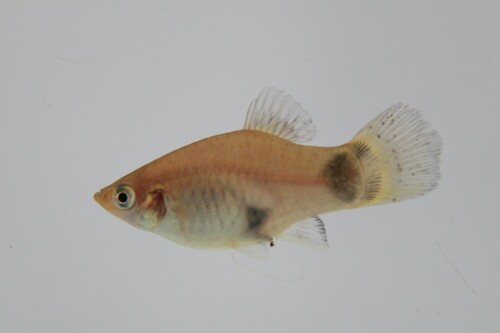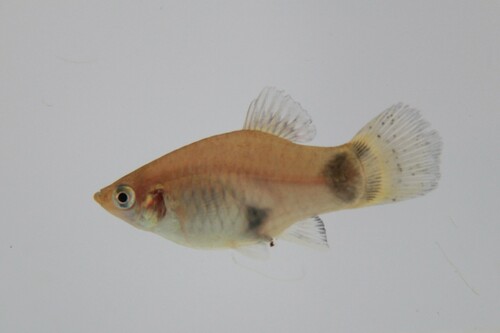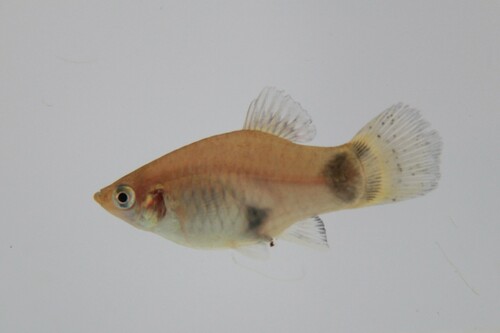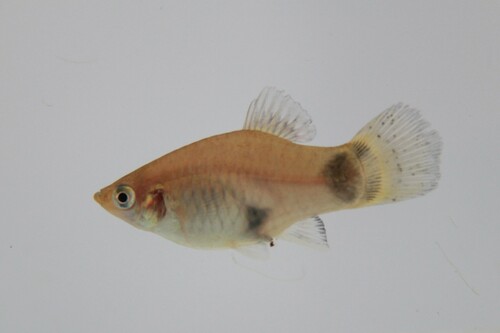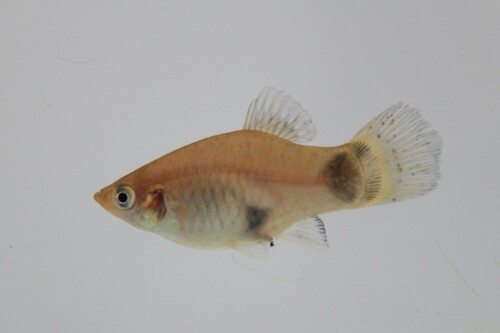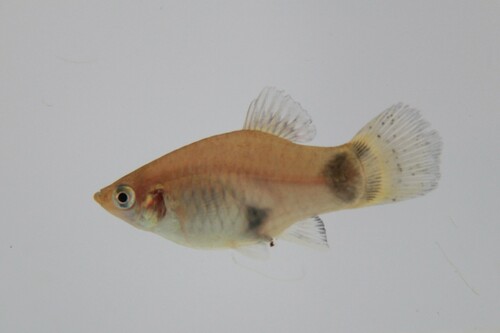
Grade A Platy White High Fin (Male)
Xiphophorus maculatus
Out of Stock
Scarce stock
Wild Caught
Easy care
Not Reef Safe
SKU: 01-A-22-081-09
Discover the vibrant Grade A Platy White High Fin, a stunning livebearer ideal for freshwater aquariums.
Pricing for Verified Importers
Log in to see wholesale prices and order.
Export Size
up to 6.0 cm
Origin
North and Central America
Temperature
24.0–28.0°C
Min. Tank Size
40 L
pH
6.80–8.00
Diet
omnivore
The Grade A Platy White High Fin (Xiphophorus maculatus) is a stunning freshwater species known for its vibrant coloration and distinctive high fin, making it a favorite among aquarium enthusiasts. This livebearer, commonly referred to as the southern platyfish or common platy, originates from the warm waters of North and Central America, specifically from Veracruz, Mexico, to northern Belize. Its adaptability to various freshwater environments has contributed to its popularity in the aquarium trade.
This species showcases a remarkable array of colors, but the Grade A variant is particularly prized for its bright white body and high dorsal fin, which adds an elegant touch to any tank. Males are smaller than females and exhibit brighter colors, as well as more pronounced fin structures. In terms of behavior, platies are known for their peaceful nature and sociable demeanor, making them ideal for community tanks.
Platies thrive in well-planted aquariums, where they can exhibit their natural behaviors. They prefer shallow waters with abundant vegetation, which provides both shelter and places to forage for food. Their natural habitat consists of slow-moving streams, ponds, and lakes, characterized by warm temperatures and moderate light. This adaptability allows them to be kept in a range of freshwater setups, from small nano tanks to larger community aquariums.
In addition to their aesthetic appeal, platies are also known for their ease of care and breeding. They are livebearers, meaning they give birth to free-swimming fry, which can contribute to their population quickly. This trait, combined with their hardiness in various water conditions, makes them an excellent choice for both novice and experienced aquarists alike.
This species showcases a remarkable array of colors, but the Grade A variant is particularly prized for its bright white body and high dorsal fin, which adds an elegant touch to any tank. Males are smaller than females and exhibit brighter colors, as well as more pronounced fin structures. In terms of behavior, platies are known for their peaceful nature and sociable demeanor, making them ideal for community tanks.
Platies thrive in well-planted aquariums, where they can exhibit their natural behaviors. They prefer shallow waters with abundant vegetation, which provides both shelter and places to forage for food. Their natural habitat consists of slow-moving streams, ponds, and lakes, characterized by warm temperatures and moderate light. This adaptability allows them to be kept in a range of freshwater setups, from small nano tanks to larger community aquariums.
In addition to their aesthetic appeal, platies are also known for their ease of care and breeding. They are livebearers, meaning they give birth to free-swimming fry, which can contribute to their population quickly. This trait, combined with their hardiness in various water conditions, makes them an excellent choice for both novice and experienced aquarists alike.
To successfully care for Grade A Platy White High Fin (Xiphophorus maculatus), it is essential to maintain optimal water parameters. The ideal temperature range is between 24°C to 28°C, with a pH level between 6.8 and 8.0. Platies prefer a well-filtered tank with a minimum size of 40 liters to accommodate their social nature, as they thrive in groups. Regular water changes and good filtration are crucial for maintaining water quality.
Feeding platies is straightforward, as they are omnivorous and will accept a variety of foods, including high-quality flake food, pellets, and occasional live or frozen foods such as brine shrimp or daphnia. It's essential to provide a balanced diet to enhance their colors and overall health. Compatibility is another strong suit for platies, as they get along well with many other species, including tetras, danios, and other peaceful community fish.
Acclimation should be done carefully to prevent shock; it's advisable to introduce platies to a new tank gradually over several hours. Additionally, a quarantine period of at least two weeks is recommended for new arrivals to monitor for any signs of disease before adding them to the main tank. This precaution helps ensure the health and stability of your aquarium ecosystem.
Feeding platies is straightforward, as they are omnivorous and will accept a variety of foods, including high-quality flake food, pellets, and occasional live or frozen foods such as brine shrimp or daphnia. It's essential to provide a balanced diet to enhance their colors and overall health. Compatibility is another strong suit for platies, as they get along well with many other species, including tetras, danios, and other peaceful community fish.
Acclimation should be done carefully to prevent shock; it's advisable to introduce platies to a new tank gradually over several hours. Additionally, a quarantine period of at least two weeks is recommended for new arrivals to monitor for any signs of disease before adding them to the main tank. This precaution helps ensure the health and stability of your aquarium ecosystem.
Grade A Platy White High Fin is suitable for shipping due to its hardiness. When packing, a density of 1 fish per liter is recommended to ensure adequate space for movement. Temperature should be maintained between 24°C to 28°C during transit to minimize stress. As a non-CITES listed species, shipping regulations are straightforward, making them a viable option for importers and wholesalers.
Species Parameters
Max Adult Size
6.0 cm
Origin
North and Central America
Diet
omnivore
Temp Min
24.0 °C
Temp Max
28.0 °C
pH Min
6.80
pH Max
8.00
Min Tank
40 L