Gararufa Panda
Gara flavatra
In Stock
Common stock
Wild Caught
Moderate care
Not Reef Safe
SKU: 01-A-15-052-04
Discover the vibrant Gararufa Panda, a unique freshwater fish known for its striking coloration.
Pricing for Verified Importers
Log in to see wholesale prices and order.
Export Size
up to 10.0 cm
Origin
Southeast Asia
Temperature
24.0–28.0°C
Min. Tank Size
100 L
pH
6.50–7.50
Diet
omnivore
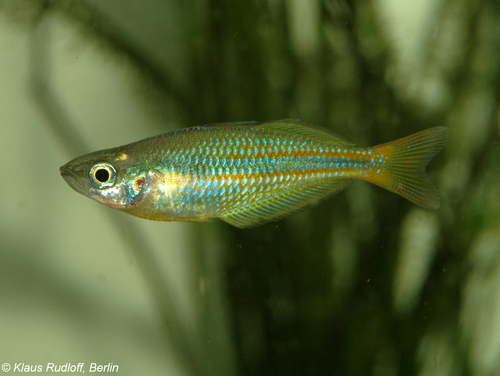
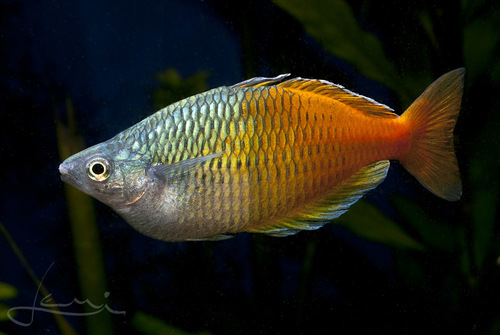
The Gararufa Panda, scientifically known as Gara flavatra, is a captivating freshwater fish that hails from the rivers and streams of Southeast Asia. This species is particularly admired for its distinctive black and white coloration, resembling that of a panda, which provides it with a striking appearance that appeals to aquarists and collectors alike. With its streamlined body and energetic demeanor, the Gararufa Panda is an eye-catching addition to any aquarium setup.
In the wild, Gararufa Panda can be found in fast-flowing waters where they inhabit rocky substrates. They thrive in clean, well-oxygenated environments, which play a crucial role in their natural behavior and feeding habits. These fish are known to be social creatures, often seen in small groups, and exhibit playful interactions with their tank mates. Their natural diet consists of small invertebrates and algae, making them an integral part of their ecosystem.
Behaviorally, Gararufa Panda are active swimmers that enjoy exploring their surroundings. They are known for their inquisitive nature, often darting around the tank and displaying a range of behaviors that can be entertaining for aquarists. Their peaceful temperament also makes them compatible with a variety of other freshwater species, allowing them to coexist harmoniously in community tanks.
To maintain the health and vibrancy of Gararufa Panda, it is essential to replicate their natural habitat as closely as possible. Providing ample hiding spots and plant cover can help reduce stress and encourage natural behaviors. Their unique appearance and lively disposition make them a favorite among aquarium enthusiasts, ensuring they remain a sought-after species for importers and wholesalers alike.
In the wild, Gararufa Panda can be found in fast-flowing waters where they inhabit rocky substrates. They thrive in clean, well-oxygenated environments, which play a crucial role in their natural behavior and feeding habits. These fish are known to be social creatures, often seen in small groups, and exhibit playful interactions with their tank mates. Their natural diet consists of small invertebrates and algae, making them an integral part of their ecosystem.
Behaviorally, Gararufa Panda are active swimmers that enjoy exploring their surroundings. They are known for their inquisitive nature, often darting around the tank and displaying a range of behaviors that can be entertaining for aquarists. Their peaceful temperament also makes them compatible with a variety of other freshwater species, allowing them to coexist harmoniously in community tanks.
To maintain the health and vibrancy of Gararufa Panda, it is essential to replicate their natural habitat as closely as possible. Providing ample hiding spots and plant cover can help reduce stress and encourage natural behaviors. Their unique appearance and lively disposition make them a favorite among aquarium enthusiasts, ensuring they remain a sought-after species for importers and wholesalers alike.
When caring for Gararufa Panda, it is essential to maintain optimal water parameters to ensure their health and well-being. The ideal temperature range for this species is between 24 to 28 degrees Celsius, with a pH level between 6.5 and 7.5. Regular water changes and proper filtration are crucial to maintain water quality, as these fish thrive in clean, well-oxygenated environments.
Feeding Gararufa Panda involves providing a varied diet that includes high-quality flake food, sinking granules, and occasional live or frozen foods like daphnia or brine shrimp. It is important to feed them small portions multiple times a day to simulate their natural foraging behavior and prevent overfeeding.
Compatibility is a strong suit for Gararufa Panda, as they can be kept with many community tank species, including other peaceful fish. However, caution should be taken to avoid aggressive or overly large fish that may outcompete them for food. When introducing them to a new tank, it's recommended to acclimate them slowly to reduce stress, using the drip acclimation method if possible. Quarantine new arrivals for at least two weeks to monitor for any signs of disease before adding them to a display tank.
Feeding Gararufa Panda involves providing a varied diet that includes high-quality flake food, sinking granules, and occasional live or frozen foods like daphnia or brine shrimp. It is important to feed them small portions multiple times a day to simulate their natural foraging behavior and prevent overfeeding.
Compatibility is a strong suit for Gararufa Panda, as they can be kept with many community tank species, including other peaceful fish. However, caution should be taken to avoid aggressive or overly large fish that may outcompete them for food. When introducing them to a new tank, it's recommended to acclimate them slowly to reduce stress, using the drip acclimation method if possible. Quarantine new arrivals for at least two weeks to monitor for any signs of disease before adding them to a display tank.
Gararufa Panda are suitable for shipping due to their hardy nature. It is advisable to pack them in secure, breathable bags with ample oxygen and minimal water to reduce stress during transit. Maintaining a temperature range of 24 to 28 degrees Celsius during shipping is critical to their survival. There are no CITES restrictions for this species, allowing for easier export and wholesale distribution.
Species Parameters
Max Adult Size
10.0 cm
Origin
Southeast Asia
Diet
omnivore
Temp Min
24.0 °C
Temp Max
28.0 °C
pH Min
6.50
pH Max
7.50
Min Tank
100 L