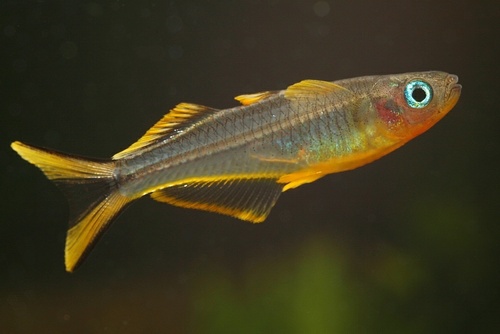
Pseudomogil paskai
Pseudomugil paskai
In Stock
Common stock
Wild Caught
Moderate care
Not Reef Safe
SKU: 01-A-15-035-02
Discover the vibrant Pseudomogil paskai, a stunning freshwater fish from Papua New Guinea.
Pricing for Verified Importers
Log in to see wholesale prices and order.
Export Size
up to 3.0 cm
Origin
Indo-Pacific
Temperature
22.0–28.0°C
Min. Tank Size
40 L
pH
6.50–7.50
Diet
omnivore
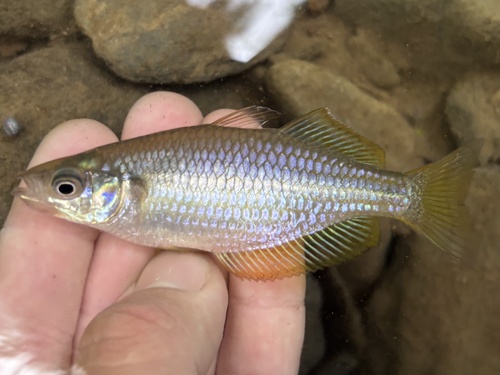
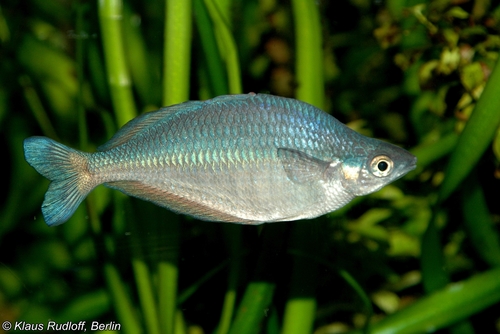
Pseudomogil paskai, commonly known as Paska's blue-eye, is an exquisite freshwater fish belonging to the Pseudomugilinae subfamily. This species is native to the Fly River system in Papua New Guinea, where it thrives in the slow-moving waters of streams and lagoons. With its striking blue iridescent eyes and slender body shape, Paska's blue-eye captivates aquarists and collectors alike. Typically reaching a length of up to 3.0 cm (1.2 in), it is a small yet visually appealing addition to any aquarium.
The natural habitat of Pseudomogil paskai consists of densely vegetated areas in freshwater environments. These fish prefer calm waters where they can find shelter among aquatic plants and debris. Their diet in the wild primarily comprises small invertebrates and algae, which they forage from the substrate. In terms of behavior, Paska's blue-eye is known for its peaceful disposition, making it an ideal tank mate for community aquariums. They are often observed swimming in mid-water, showcasing their vibrant colors and playful nature.
In an aquarium setting, Pseudomogil paskai should be provided with plenty of hiding spots and plants to mimic their natural environment. The addition of floating plants can also help create a comfortable and secure atmosphere for these fish. Maintaining a stable environment with appropriate water parameters is crucial for their well-being. Observing their social behavior, they often display a schooling tendency and feel more secure in groups of at least six individuals.
Overall, Pseudomogil paskai is a remarkable species that not only enhances the aesthetic appeal of an aquarium but also contributes to a balanced aquatic ecosystem. Their unique characteristics and peaceful nature make them a favorite among aquarium enthusiasts and wholesalers alike.
The natural habitat of Pseudomogil paskai consists of densely vegetated areas in freshwater environments. These fish prefer calm waters where they can find shelter among aquatic plants and debris. Their diet in the wild primarily comprises small invertebrates and algae, which they forage from the substrate. In terms of behavior, Paska's blue-eye is known for its peaceful disposition, making it an ideal tank mate for community aquariums. They are often observed swimming in mid-water, showcasing their vibrant colors and playful nature.
In an aquarium setting, Pseudomogil paskai should be provided with plenty of hiding spots and plants to mimic their natural environment. The addition of floating plants can also help create a comfortable and secure atmosphere for these fish. Maintaining a stable environment with appropriate water parameters is crucial for their well-being. Observing their social behavior, they often display a schooling tendency and feel more secure in groups of at least six individuals.
Overall, Pseudomogil paskai is a remarkable species that not only enhances the aesthetic appeal of an aquarium but also contributes to a balanced aquatic ecosystem. Their unique characteristics and peaceful nature make them a favorite among aquarium enthusiasts and wholesalers alike.
To successfully care for Pseudomogil paskai, it is essential to maintain specific water parameters. Ideal temperature ranges between 22°C to 28°C, with a pH level of 6.5 to 7.5. Keeping hardness between 5 to 15 dGH ensures a healthy environment for these fish. It is recommended to keep them in a minimum tank size of 40 liters, allowing ample swimming space and hiding spots.
Feeding Pseudomogil paskai is straightforward, as they are omnivores. A varied diet of high-quality flake food, micro-pellets, and live or frozen foods like brine shrimp and daphnia will promote healthy growth and vibrant colors. When introducing new fish, acclimation should be conducted slowly to minimize stress, ideally over a period of 2-3 hours. This can be achieved through drip acclimation or floating the sealed bag in the aquarium to equalize temperatures.
Pseudomogil paskai are generally peaceful and can coexist with other small, non-aggressive species. However, it is advisable to monitor their interactions during the initial introduction. Quarantine new arrivals for at least two weeks to prevent the introduction of disease into your main aquarium. Regular water changes and monitoring of water quality will help ensure the health and vitality of these beautiful fish.
Feeding Pseudomogil paskai is straightforward, as they are omnivores. A varied diet of high-quality flake food, micro-pellets, and live or frozen foods like brine shrimp and daphnia will promote healthy growth and vibrant colors. When introducing new fish, acclimation should be conducted slowly to minimize stress, ideally over a period of 2-3 hours. This can be achieved through drip acclimation or floating the sealed bag in the aquarium to equalize temperatures.
Pseudomogil paskai are generally peaceful and can coexist with other small, non-aggressive species. However, it is advisable to monitor their interactions during the initial introduction. Quarantine new arrivals for at least two weeks to prevent the introduction of disease into your main aquarium. Regular water changes and monitoring of water quality will help ensure the health and vitality of these beautiful fish.
Pseudomogil paskai is suitable for shipping, provided appropriate care is taken during transit. They should be packed in well-oxygenated bags with sufficient water to minimize stress. A packing density of 10-12 fish per liter is recommended to ensure their comfort. Maintaining a stable temperature between 22°C and 28°C during shipping is crucial, as they are sensitive to temperature fluctuations. This species is not listed under CITES, making export regulations straightforward.
Species Parameters
Max Adult Size
3.0 cm
Origin
Indo-Pacific
Diet
omnivore
Temp Min
22.0 °C
Temp Max
28.0 °C
pH Min
6.50
pH Max
7.50
Min Tank
40 L