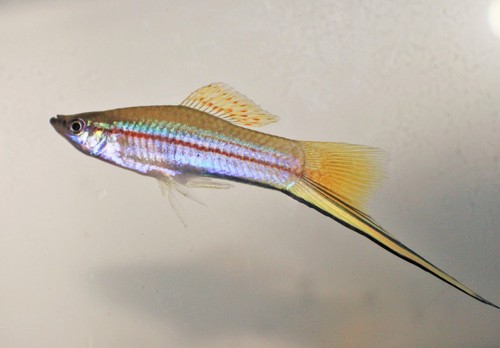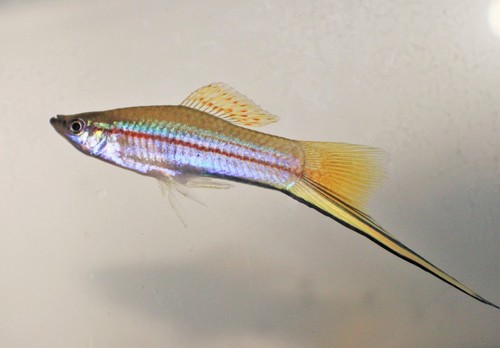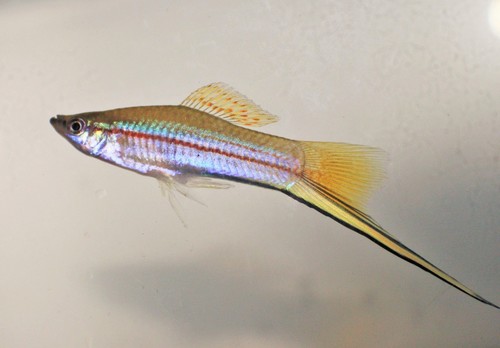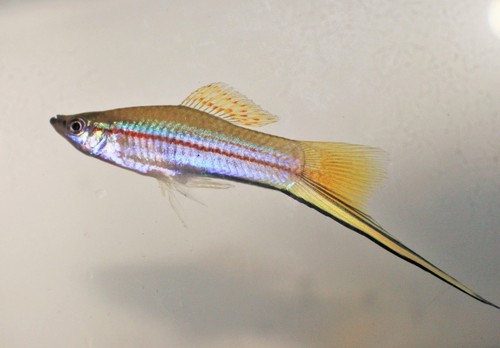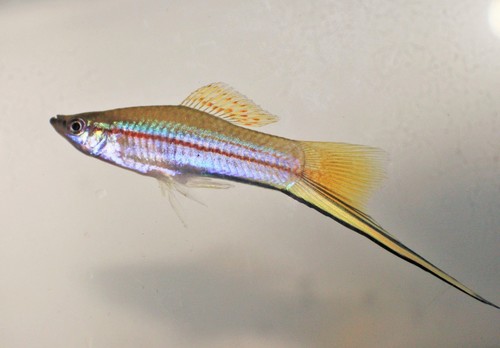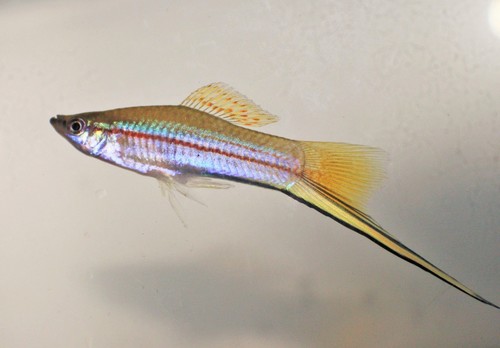
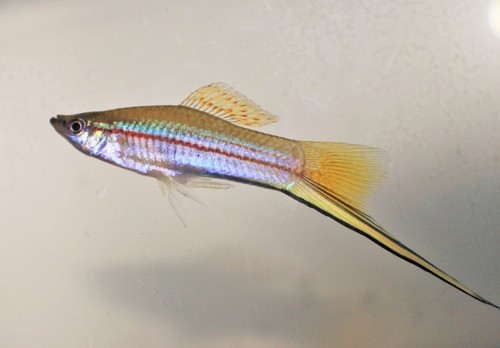
Grade A Tuxedo Wag Lyretail Swordtail Fish (IDV)
Xiphophorus hellerii
Out of Stock
Scarce stock
Wild Caught
Easy care
Not Reef Safe
SKU: 01-A-24-059-11
The Grade A Tuxedo Wag Lyretail Swordtail is a stunning freshwater species known for its vibrant coloration and unique tail design.
Pricing for Verified Importers
Log in to see wholesale prices and order.
Export Size
up to 10.0 cm
Origin
North and Central America
Temperature
22.0–28.0°C
Min. Tank Size
100 L
pH
6.80–8.50
Diet
omnivore
The Grade A Tuxedo Wag Lyretail Swordtail (Xiphophorus hellerii) is a captivating freshwater fish that originates from North and Central America, particularly from regions stretching from Veracruz, Mexico to northwestern Honduras. This species is a popular choice among aquarium enthusiasts due to its striking appearance and lively nature. The Tuxedo variant features a beautiful combination of black and vibrant colors, while the lyretail form showcases elongated fins that resemble a lyre, making it a visual highlight in any aquarium setup.
In terms of natural history, the Tuxedo Wag Lyretail Swordtail is a live-bearer, meaning it gives birth to free-swimming young rather than laying eggs. This reproductive strategy allows for a higher survival rate of offspring in their natural environments. The species thrives in a variety of freshwater habitats, including rivers, streams, and ponds, where they often seek shelter among aquatic plants and submerged structures. Their adaptability to different water conditions makes them a resilient addition to community tanks.
Behaviorally, these swordtails are known for their friendly disposition and social nature. They are generally peaceful fish that do well in community settings, often exhibiting playful interactions with their tank mates. Males are typically more colorful and larger than females, displaying vibrant hues and dramatic fin shapes to attract mates. This dynamic adds an engaging aspect to their behavior, making them a joy to observe in an aquarium.
Overall, the Grade A Tuxedo Wag Lyretail Swordtail is not only a visually stunning species but also a resilient and sociable fish that enhances the biodiversity of freshwater aquariums. Its unique physical traits and lively personality make it an excellent choice for both novice and experienced aquarists alike.
In terms of natural history, the Tuxedo Wag Lyretail Swordtail is a live-bearer, meaning it gives birth to free-swimming young rather than laying eggs. This reproductive strategy allows for a higher survival rate of offspring in their natural environments. The species thrives in a variety of freshwater habitats, including rivers, streams, and ponds, where they often seek shelter among aquatic plants and submerged structures. Their adaptability to different water conditions makes them a resilient addition to community tanks.
Behaviorally, these swordtails are known for their friendly disposition and social nature. They are generally peaceful fish that do well in community settings, often exhibiting playful interactions with their tank mates. Males are typically more colorful and larger than females, displaying vibrant hues and dramatic fin shapes to attract mates. This dynamic adds an engaging aspect to their behavior, making them a joy to observe in an aquarium.
Overall, the Grade A Tuxedo Wag Lyretail Swordtail is not only a visually stunning species but also a resilient and sociable fish that enhances the biodiversity of freshwater aquariums. Its unique physical traits and lively personality make it an excellent choice for both novice and experienced aquarists alike.
To ensure the optimal health of the Grade A Tuxedo Wag Lyretail Swordtail, maintaining appropriate water conditions is crucial. Ideal water temperature ranges from 22°C to 28°C, with a pH level between 6.8 and 8.5. Regular water changes and filtration are essential to keep the water clean and well-oxygenated. As a freshwater species, they thrive in environments that mimic their natural habitats, including plenty of hiding spots and plants.
Feeding these fish is relatively simple, as they are omnivores and will accept a variety of foods. A balanced diet should include high-quality flake food, frozen or live foods such as brine shrimp and daphnia, and vegetable matter like blanched spinach or algae wafers. This dietary variety helps maintain their health and vibrant colors.
When introducing Tuxedo Wag Lyretail Swordtails to a new aquarium, acclimation is key. Gradually introduce them to the tank environment over a period of several hours to minimize stress. These fish are known to be compatible with other peaceful species, making them an excellent addition to community tanks. However, it is advisable to avoid aggressive or overly territorial species that may stress them out.
Quarantine new arrivals for at least two weeks to monitor for any signs of disease before introducing them to the main tank. This practice helps ensure the health of both the new and existing inhabitants of the aquarium.
Feeding these fish is relatively simple, as they are omnivores and will accept a variety of foods. A balanced diet should include high-quality flake food, frozen or live foods such as brine shrimp and daphnia, and vegetable matter like blanched spinach or algae wafers. This dietary variety helps maintain their health and vibrant colors.
When introducing Tuxedo Wag Lyretail Swordtails to a new aquarium, acclimation is key. Gradually introduce them to the tank environment over a period of several hours to minimize stress. These fish are known to be compatible with other peaceful species, making them an excellent addition to community tanks. However, it is advisable to avoid aggressive or overly territorial species that may stress them out.
Quarantine new arrivals for at least two weeks to monitor for any signs of disease before introducing them to the main tank. This practice helps ensure the health of both the new and existing inhabitants of the aquarium.
The Grade A Tuxedo Wag Lyretail Swordtail is well-suited for shipping due to its hardy nature. When packed appropriately, these fish can withstand the rigors of transport. It is recommended to maintain a shipping temperature between 22°C and 28°C to ensure their well-being during transit. An optimal packing density is essential to reduce stress during shipment. This species is not listed under CITES, simplifying export regulations.
Species Parameters
Max Adult Size
10.0 cm
Origin
North and Central America
Diet
omnivore
Temp Min
22.0 °C
Temp Max
28.0 °C
pH Min
6.80
pH Max
8.50
Min Tank
100 L