Millenium Swordtail
Xiphophorus helleri
Out of Stock
Scarce stock
Wild Caught
Easy care
Not Reef Safe
SKU: 01-A-24-001-07
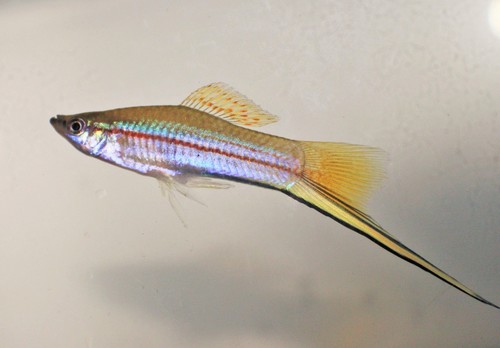
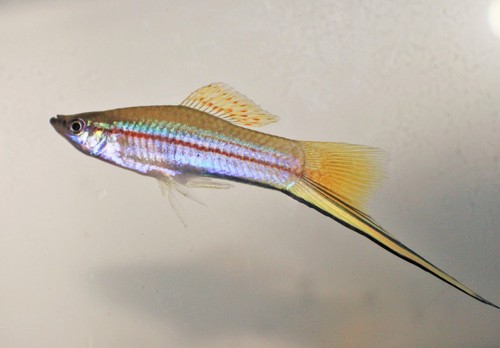
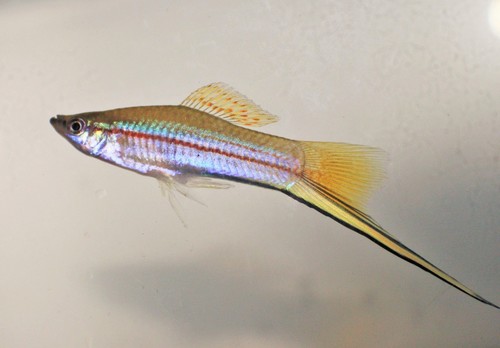
The Millenium Swordtail is a stunning live-bearer known for its vibrant colors and playful nature.
Pricing for Verified Importers
Log in to see wholesale prices and order.
Export Size
up to 7.0 cm
Origin
North and Central America
Temperature
24.0–28.0°C
Min. Tank Size
100 L
pH
6.50–7.50
Diet
omnivore
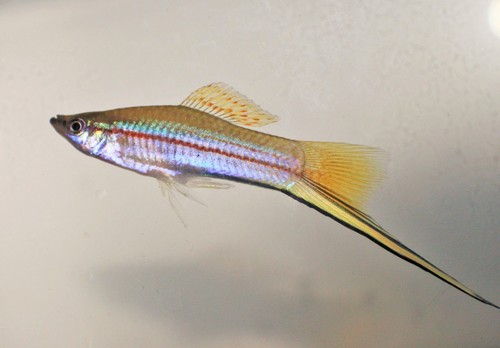
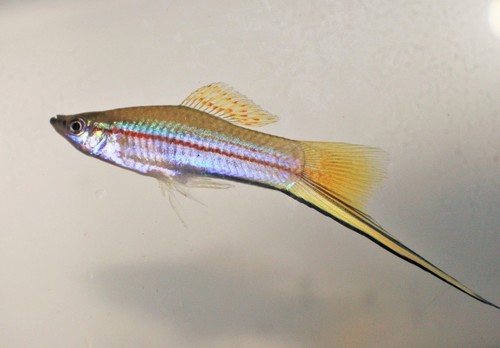
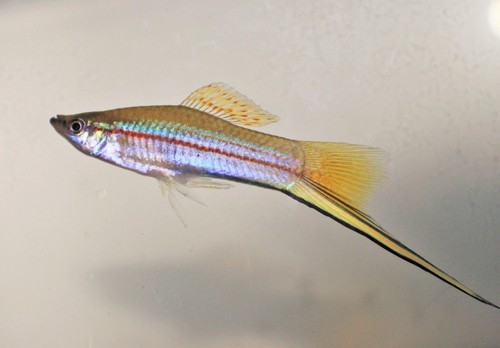
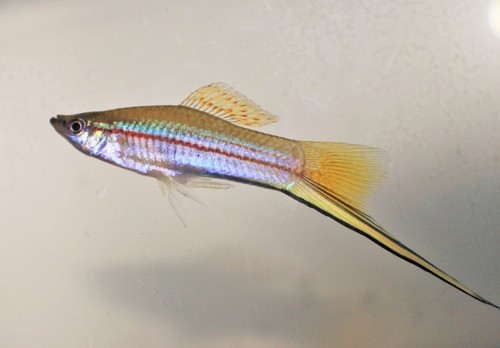
The Millenium Swordtail (Xiphophorus helleri) is a captivating freshwater fish native to the rivers and lakes of North and Central America, specifically from Veracruz, Mexico, to northwestern Honduras. This species, particularly popular in the aquarium trade, is characterized by its distinctively shaped tail, which resembles a sword, and an array of colors that can range from greens to bright yellows and reds, depending on the individual and breeding variations. Their striking appearance makes them a favorite among aquarists and collectors alike.
In their natural habitat, Millenium Swordtails inhabit a variety of environments including streams, rivers, and ponds where they thrive in areas with plenty of aquatic vegetation. They prefer warm, slightly acidic to neutral waters where they can find shelter and breeding grounds. Millenium Swordtails are live-bearers, giving birth to live young rather than laying eggs, which adds to their appeal in home aquariums, as they can easily reproduce in captivity.
Behaviorally, these fish are quite social and active, often seen swimming in groups. They exhibit a calm temperament, making them ideal for community tanks. Males are known for their vibrant colors and aggressive displays during mating rituals, whereas females tend to be larger and less flamboyant. This species enjoys a well-planted aquarium that offers plenty of hiding spots, which helps reduce stress and encourages natural behaviors.
Overall, the Millenium Swordtail is an adaptable species that thrives in a variety of conditions, making it a suitable choice for both novice and experienced aquarists. Their resilience and reproductive capabilities ensure that they remain a stable presence in the aquarium trade, offering both beauty and liveliness to any aquatic environment.
In their natural habitat, Millenium Swordtails inhabit a variety of environments including streams, rivers, and ponds where they thrive in areas with plenty of aquatic vegetation. They prefer warm, slightly acidic to neutral waters where they can find shelter and breeding grounds. Millenium Swordtails are live-bearers, giving birth to live young rather than laying eggs, which adds to their appeal in home aquariums, as they can easily reproduce in captivity.
Behaviorally, these fish are quite social and active, often seen swimming in groups. They exhibit a calm temperament, making them ideal for community tanks. Males are known for their vibrant colors and aggressive displays during mating rituals, whereas females tend to be larger and less flamboyant. This species enjoys a well-planted aquarium that offers plenty of hiding spots, which helps reduce stress and encourages natural behaviors.
Overall, the Millenium Swordtail is an adaptable species that thrives in a variety of conditions, making it a suitable choice for both novice and experienced aquarists. Their resilience and reproductive capabilities ensure that they remain a stable presence in the aquarium trade, offering both beauty and liveliness to any aquatic environment.
To maintain the health of Millenium Swordtails, it is crucial to replicate their natural habitat as closely as possible. Ideal water parameters include a temperature range of 24-28°C, a pH level between 6.5 and 7.5, and a hardness of 10-30 dGH. Regular water changes and filtration are essential to ensure a clean environment.
Feeding these fish is relatively straightforward, as they are omnivorous. A varied diet consisting of high-quality flake foods, freeze-dried or frozen foods like brine shrimp and daphnia, and occasional vegetable matter will keep them healthy and vibrant. It's important to avoid overfeeding to prevent water quality issues.
Compatibility is another vital aspect to consider when housing Millenium Swordtails. They can coexist peacefully with other non-aggressive species, such as tetras and other livebearers, but should be kept away from aggressive fish that might stress them. To introduce new fish, a gradual acclimation process is recommended, involving slowly mixing tank water with the water from the bag the new fish arrive in.
Quarantine new arrivals for at least two weeks before adding them to the main tank. This practice helps prevent the introduction of diseases and parasites. Regular observation and maintaining a stable environment will ensure the health and longevity of the Millenium Swordtail in your aquarium.
Feeding these fish is relatively straightforward, as they are omnivorous. A varied diet consisting of high-quality flake foods, freeze-dried or frozen foods like brine shrimp and daphnia, and occasional vegetable matter will keep them healthy and vibrant. It's important to avoid overfeeding to prevent water quality issues.
Compatibility is another vital aspect to consider when housing Millenium Swordtails. They can coexist peacefully with other non-aggressive species, such as tetras and other livebearers, but should be kept away from aggressive fish that might stress them. To introduce new fish, a gradual acclimation process is recommended, involving slowly mixing tank water with the water from the bag the new fish arrive in.
Quarantine new arrivals for at least two weeks before adding them to the main tank. This practice helps prevent the introduction of diseases and parasites. Regular observation and maintaining a stable environment will ensure the health and longevity of the Millenium Swordtail in your aquarium.
Millenium Swordtails are suitable for shipping due to their hardiness. They should be packed with adequate water volume to minimize stress, ideally with a density of no more than 1 fish per liter. Maintaining a stable temperature between 22-26°C during transit is crucial to ensure their well-being. As a non-CITES species, there are no specific export restrictions, allowing for efficient and compliant shipping.
Species Parameters
Max Adult Size
7.0 cm
Origin
North and Central America
Diet
omnivore
Temp Min
24.0 °C
Temp Max
28.0 °C
pH Min
6.50
pH Max
7.50
Min Tank
100 L