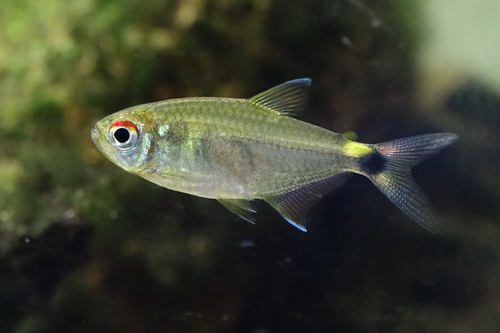
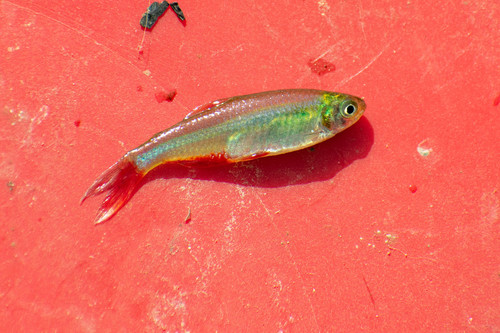
Red Belly Tetra
Aphyocharax rathbuni
In Stock
Common stock
Tank Bred
Easy care
Not Reef Safe
SKU: 01-A-11-004-03
The Red Belly Tetra dazzles with its striking colors and lively behavior, making it a favorite among aquarists.
Pricing for Verified Importers
Log in to see wholesale prices and order.
Export Size
up to 5.0 cm
Origin
Amazon Basin
Temperature
22.0–28.0°C
Min. Tank Size
60 L
pH
6.00–7.50
Diet
omnivore
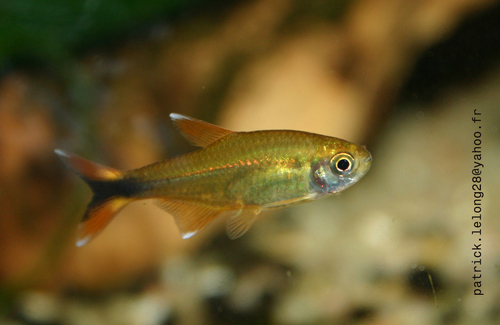
The Red Belly Tetra (Aphyocharax rathbuni) is a small freshwater fish native to the Amazon Basin, specifically found in the tributaries and streams of Brazil and Peru. Recognized for its vibrant coloration, this species showcases a brilliant red-orange belly that contrasts beautifully with its translucent body. Adult specimens typically reach a maximum size of around 5 cm, making them an ideal choice for community aquariums where their small stature allows for harmonious cohabitation with other species.
Red Belly Tetras are social creatures that thrive in schools, usually requiring a minimum group of six to exhibit their natural schooling behavior. They are known for their active swimming patterns, often darting around the tank in search of food and engaging with each other. In their natural habitat, these fish prefer slow-moving waters with ample vegetation, which provides both food sources and shelter from predators.
In terms of behavior, Red Belly Tetras are generally peaceful and non-aggressive, making them suitable for community tanks. They exhibit a lively disposition, often displaying a range of colors when excited. Observing their interactions can be quite entertaining, as they are known to engage in playful chases and social displays within their groups. This sociable nature, combined with their vibrant appearance, makes them a popular choice for both novice and experienced aquarists.
To replicate their natural environment, providing a planted aquarium with hiding spots, such as driftwood and rocks, enhances their well-being and encourages natural behaviors. The soft, dim light mimics their habitat and helps showcase their beautiful colors, making it a stunning focal point in any aquatic setting.
Red Belly Tetras are social creatures that thrive in schools, usually requiring a minimum group of six to exhibit their natural schooling behavior. They are known for their active swimming patterns, often darting around the tank in search of food and engaging with each other. In their natural habitat, these fish prefer slow-moving waters with ample vegetation, which provides both food sources and shelter from predators.
In terms of behavior, Red Belly Tetras are generally peaceful and non-aggressive, making them suitable for community tanks. They exhibit a lively disposition, often displaying a range of colors when excited. Observing their interactions can be quite entertaining, as they are known to engage in playful chases and social displays within their groups. This sociable nature, combined with their vibrant appearance, makes them a popular choice for both novice and experienced aquarists.
To replicate their natural environment, providing a planted aquarium with hiding spots, such as driftwood and rocks, enhances their well-being and encourages natural behaviors. The soft, dim light mimics their habitat and helps showcase their beautiful colors, making it a stunning focal point in any aquatic setting.
When caring for Red Belly Tetras, maintaining optimal water conditions is crucial for their health and well-being. Ideal water parameters include a temperature range of 22-28°C, a pH level between 6.0 and 7.5, and soft to moderately hard water. Regular water changes and filtration are recommended to keep the environment clean and stable.
In terms of diet, Red Belly Tetras are omnivorous and thrive on a varied diet that includes high-quality flake food, small pellets, and live or frozen foods such as brine shrimp and daphnia. Providing a balanced diet not only promotes their vibrant coloration but also supports their overall health.
Compatibility is an essential factor when setting up a community tank. Red Belly Tetras get along well with other small, peaceful species such as guppies, rasboras, and other tetras. It is advisable to avoid housing them with larger or more aggressive fish that could pose a threat.
Acclimation is necessary when introducing Red Belly Tetras to a new tank. It is recommended to use a drip acclimation method to ensure they adjust to the new water conditions gradually. Additionally, a quarantine period of at least two weeks is advisable for any new arrivals to monitor for signs of illness and prevent potential disease spread to existing aquarium inhabitants.
In terms of diet, Red Belly Tetras are omnivorous and thrive on a varied diet that includes high-quality flake food, small pellets, and live or frozen foods such as brine shrimp and daphnia. Providing a balanced diet not only promotes their vibrant coloration but also supports their overall health.
Compatibility is an essential factor when setting up a community tank. Red Belly Tetras get along well with other small, peaceful species such as guppies, rasboras, and other tetras. It is advisable to avoid housing them with larger or more aggressive fish that could pose a threat.
Acclimation is necessary when introducing Red Belly Tetras to a new tank. It is recommended to use a drip acclimation method to ensure they adjust to the new water conditions gradually. Additionally, a quarantine period of at least two weeks is advisable for any new arrivals to monitor for signs of illness and prevent potential disease spread to existing aquarium inhabitants.
Red Belly Tetras are suitable for shipping, provided they are packed with care to minimize stress. Optimal packing density should be considered to ensure adequate oxygen and water quality during transit. They are sensitive to temperature fluctuations, so maintaining a stable temperature between 22-28°C during shipping is critical. As a non-CITES species, there are no restrictions on their export, allowing for seamless international trade.
Species Parameters
Max Adult Size
5.0 cm
Origin
Amazon Basin
Diet
omnivore
Temp Min
22.0 °C
Temp Max
28.0 °C
pH Min
6.00
pH Max
7.50
Min Tank
60 L